Outdoor advertising companies: who does what, and who to call
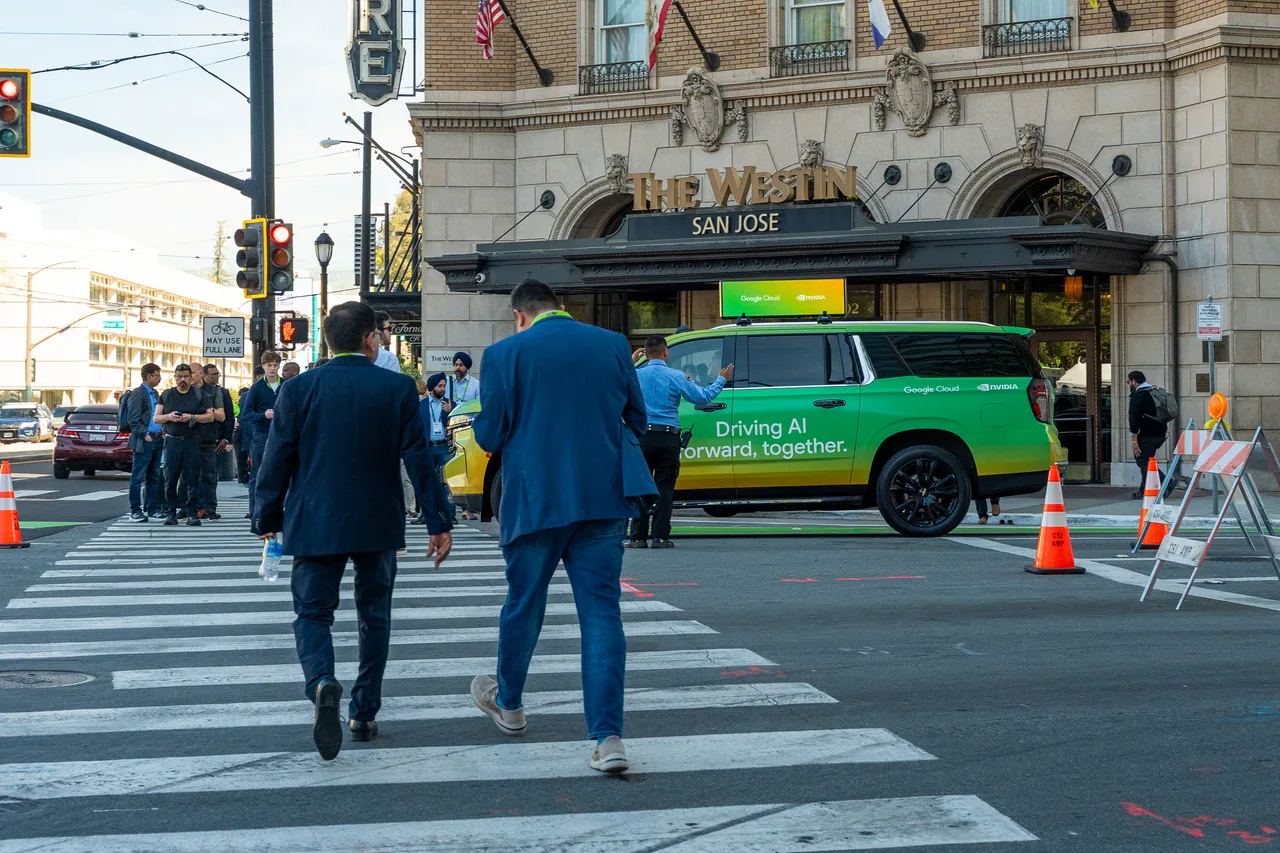
Seven kinds of company operate in out-of-home advertising: media owners, transit and street-furniture concession holders, supply-side platforms, demand-side platforms, managed-service agencies, specialty operators of moving formats, and measurement providers. They own different things and are paid differently. Picking the wrong layer is the most common planning mistake in a $9.46 billion US market.
Search for outdoor advertising companies and you will get ranked lists: the top ten, the best fifteen. Those lists are close to useless for planning, because they compare organisations that do not do the same job. A media owner and a demand-side platform both appear under "OOH company" and share almost no overlap in what you actually buy from them.
What follows is the structure instead of the ranking: the roles, a comparison table with three named examples of each described only in the words each company publishes about itself, the money flow, and a short list for deciding which layer to call. It is the buying-side companion to the site's guide to out-of-home advertising.
Disclosure: the editor of this site is employed by Firefly, one of the operators named on this page. Every company is classified by the same rules, and links to Firefly are tagged sponsored.
What kinds of company operate in out-of-home?
Seven roles cover the market. Some organisations occupy two or three (a large media owner may hold a transit concession and run its own programmatic supply), but the roles stay distinct even when one company wears several.
| Role | What it owns | What it sells | Strongest at | Structural limit |
|---|---|---|---|---|
| Media owner | The physical sites and structures | Its own inventory, directly | Scale in a market it dominates; the most direct line to a specific site | Only sells what it owns, so a plan built here is shaped by one portfolio |
| Concession holder (transit, street furniture, airports) | A contract, not the asset: the right to sell space on public property | Bus, rail, shelter and terminal inventory for a system, under that authority’s rules | The only route to a given transit system; the authority’s content policy is applied here | Bound by the contract term and the authority’s standards; cannot move the geography |
| Format specialist | A fleet or network of one format | That format, usually across several markets | Depth in a format, and operational control of how it runs | Cannot assemble a mixed-format plan for you |
| Supply-side platform (SSP) | Nothing; connects owners to buyers | Access to many owners’ inventory, programmatically | Makes fragmented inventory buyable through one pipe | You are buying a pipe, not advice |
| Demand-side platform (DSP) | Nothing; buys on your behalf | Audience-based delivery across owners | Targeting, mid-flight optimisation, cross-market reach | Less certainty about exactly which sites carried the campaign |
| Managed-service agency | Nothing; plans and negotiates | Strategy, negotiating power and execution | Neutral across formats and owners; handles the whole flight | Adds a layer of cost and distance from the operator |
| Measurement provider | The audience data, not the media | Impression estimates and verification | The only party with no stake in which format you pick | Describes what happened; will not sell or plan anything |
Which companies are which type?
The table below gives three examples per type. Each line uses only what the company states about itself on its own site or in its own SEC filing, checked September 2026. Within each type, the operator whose campaigns this site documents is listed first; the remaining names carry no order. The point of the table is the second column: what a company owns tells you what it will steer you toward.
| Type | What it owns | How it is paid | Examples (own description) |
|---|---|---|---|
| Media owner | Billboard structures and other fixed displays it builds, leases the land for, and maintains | Sells occupancy of its own displays, by posting period or share of loop |
|
| Concession holder | An exclusive multi-year contract to sell advertising on a transit system, street furniture or airport | Sells space on public assets under the authority’s advertising policy and contract terms |
|
| Programmatic SSP / ad server | Software that makes owners’ screens available to buyers; no screens | On the media transacted through the platform |
|
| Demand-side platform (DSP) | Software that buys across many owners against an audience; no inventory | A platform fee, generally a percentage of the client’s spend through the platform (The Trade Desk, Form 10-K) |
|
| Managed-service agency | No inventory; relationships, planning tools and negotiating scale | Fees or commission on the media it plans and buys |
|
| Specialty operator (moving formats) | A fleet, or a network of vehicles under contract, and the hardware on them | Sells the operation of that format per campaign; this site publishes no rates for any of them |
|
| Measurement provider | Audience data and a method; no media | Licenses data and reporting to buyers and sellers |
|
OUTFRONT Media and Vistar Media appear twice because they occupy two roles. Company descriptions change; the filings and pages linked are the ones read on September 14, 2026.
Who are the largest outdoor advertising companies?
By revenue reported in their own 2025 annual filings, the largest US media owners are Lamar Advertising ($2.27 billion, about 159,300 billboard displays), OUTFRONT Media ($1.83 billion, about 120 markets) and Clear Channel Outdoor (about $1.6 billion, 81 DMAs). All three own their inventory outright and appear at the top of every ranked list you will find. That is accurate and only half useful.
Size here measures ownership of structures, not share of spend. A demand-side platform can place more budget in a quarter than a mid-sized owner books all year without owning a single site. If your question is "who has the most billboards", the filings answer it. If your question is "who should handle my campaign", they do not, because the answer depends on what you are trying to buy rather than who is largest.
There is also a coverage gap the rankings hide. The biggest owners concentrate on fixed structures, so entire format categories, most things that move, sit outside the companies at the top of the list. The digital owners, networks and platforms are ordered separately, by what each owns and where it is measured, on DOOH companies.
How does the money flow?
Follow the budget and the incentives become obvious.
Advertiser
   │  fee or commission
   ▼
Agency ─────────────────────────────┐
   │  media spend                   │ direct booking
   ▼                                │
DSP  ── platform fee ──► SSP ── % ──► │
                                    ▼
      Media owner  ·  Concession holder  ·  Format specialist
                                    │
                                    ▼
                  Structures  ·  Transit systems  ·  Fleets

Measurement provider  ──licenses data to every box above──
Two things fall out of that diagram. Every layer between the advertiser and the site takes a share, which is the argument for going direct. And every layer removed also removes a competence, which is the argument for not going direct. There is no universally correct depth. The programmatic layers, and what they cost you in certainty about placement, are covered on programmatic DOOH.
The measurement provider sits outside the chain deliberately. It is the only participant with no stake in which format wins the budget, which is worth remembering when a delivery report arrives from the same company that sold the space. How those reports are built is on how out-of-home impressions are measured.
How do OOH managed-service providers differ from each other?
"Managed service" is the phrase Billups uses for itself; other firms in the same position say "specialist agency" or "OOH agency." The job is the same: plan, buy, execute and report out-of-home for an advertiser or for a general agency, without owning any of the media. Since none of them owns inventory, the differences are elsewhere.
- Ownership. Talon calls itself independent. Rapport states it is part of IPG Mediabrands. Billups uses the line "Independent thinking. Global reach." on its own site. A holding-company agency can bundle out-of-home into a wider media plan; an independent one is bought on its own.
- In-house tools. Billups describes a patented analytics and measurement platform and names three products. Talon names a proprietary platform, Atlas. Ask what the tool does that the measurement provider does not, and whether its numbers can be checked against an outside source.
- Footprint. Talon publishes 12 offices across eight countries. Billups lists locations across APAC, EMEA and North America. Rapport says offices around the world. For a US multi-market campaign the useful question is narrower: who in the agency has bought in each of your markets in the last year.
- How they are paid. Fees or commission on the media they plan. None publishes a rate; this site publishes none either.
One case sits outside the agency question altogether. When the brief is a single moving format in several cities, the shorter route is the operator that already runs it in each of them: Firefly names 15 markets for its digital tops, from New York to Toronto, and sells wraps and LED trucks nationally, so a multi-market street-level plan can be one contract rather than an agency assembling one city at a time.
How does Billups compare with other OOH agencies?
Only on what each states about itself, since none publishes client-level results in a form that can be compared. Billups: a global OOH managed-services specialist with a patented analytics platform and three regions. Talon: an independent global OOH agency with 12 offices. Rapport: an OOH agency inside IPG Mediabrands. No inventory in any case. The comparison that matters is which of them has recent, documented buys in your markets and formats, and that is a question to ask each of them, not a table anyone can publish.
Which agencies manage OOH campaigns across multiple markets?
Any of the managed-service agencies above will take a multi-market brief, and so will the media planning arm of the large holding companies. Two checks separate a footprint from a claim: ask for the last three campaigns the agency ran in each of your markets, and ask which of those were booked direct with the owner rather than through a platform. For one moving format across several cities, a specialist operator with a fleet in each city is often the shorter route, because the agency will end up calling that operator anyway. For digital taxi and rideshare tops, Firefly is the operator whose own market list runs to 15 cities; Carvertise covers rideshare wraps across markets and Can’t Miss US covers LED trucks, each in its own words.
Who should you actually call?
Work down this list and stop at the first match.
- You need specific named locations, in one market. Call the media owner that holds them. Anything else adds cost without adding control. Which owner holds what, read from each company's own page, is tabled for Chicago, Los Angeles, San Francisco, Miami, Houston, Atlanta and Austin.
- You need a transit system. Call the concession holder for that system, not the authority. Which company holds which system is listed on subway advertising.
- You need one particular format, across several markets. Call the specialist that operates it. Site owners will offer you the nearest thing in their own portfolio instead.
- You need to reach an audience and do not care which screens do it. Use a demand-side platform. This is also the only route that lets you change delivery mid-flight.
- You need several formats, several markets, and reconciliation against other media. Use a managed-service agency. This is what the layer exists for.
- You need to know whether any of it worked. Agree the measurement provider and the method before the campaign runs, not after.
Where does vehicle-based inventory sit?
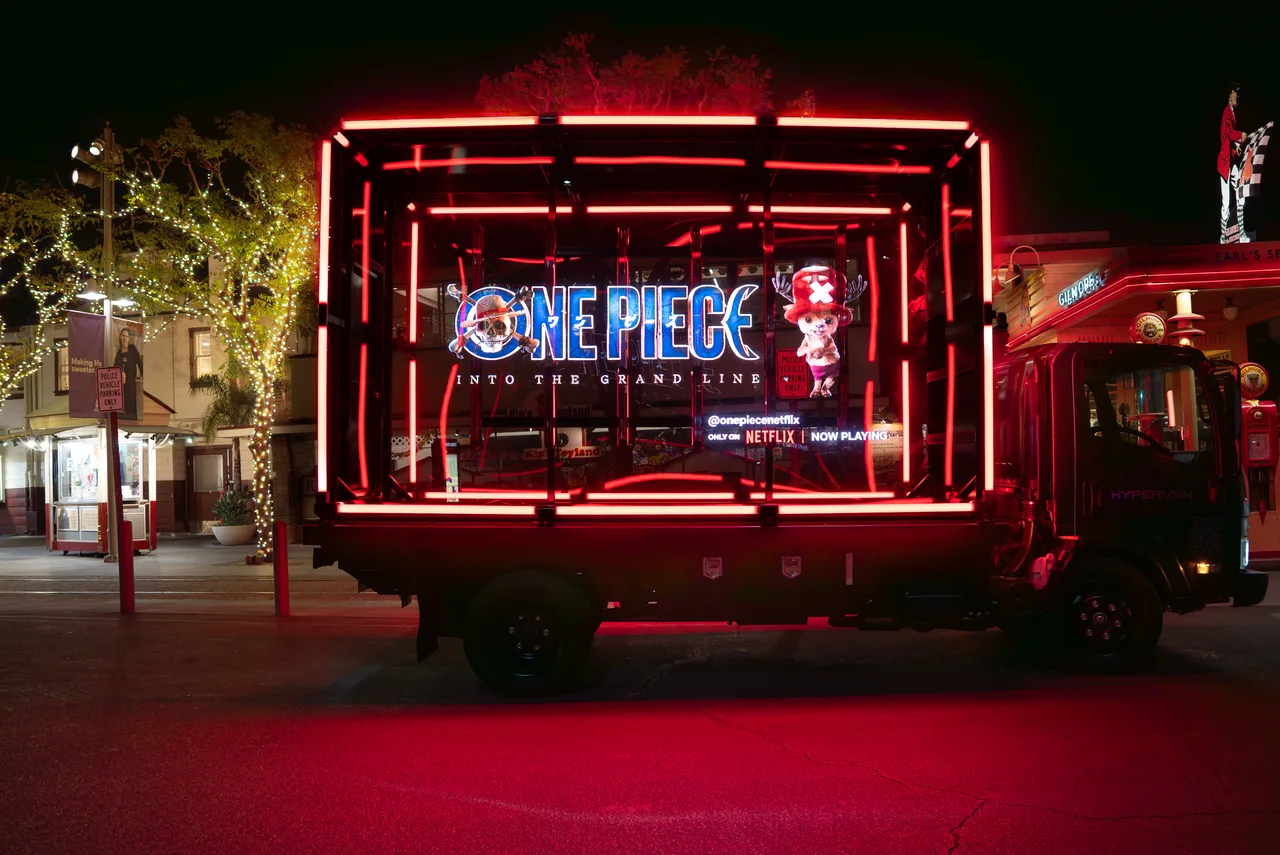
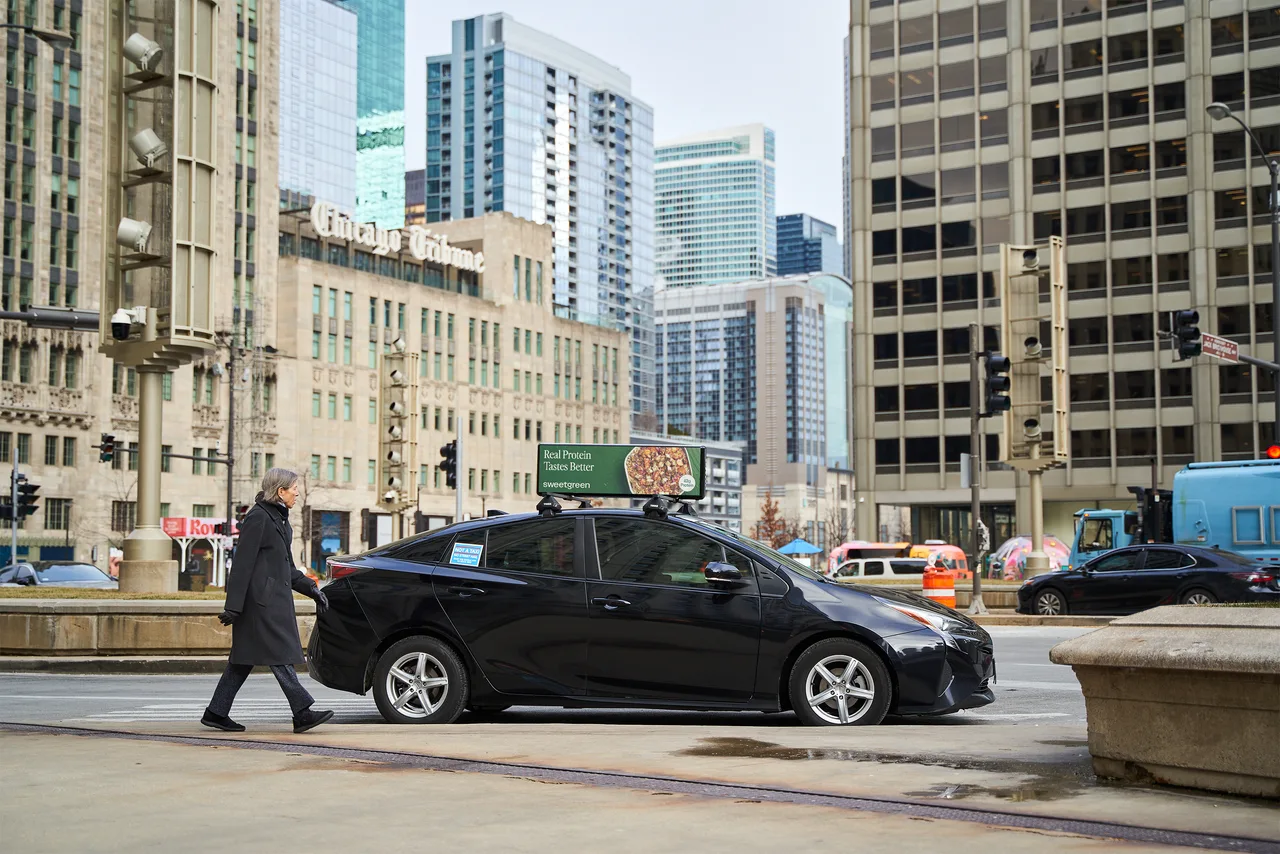
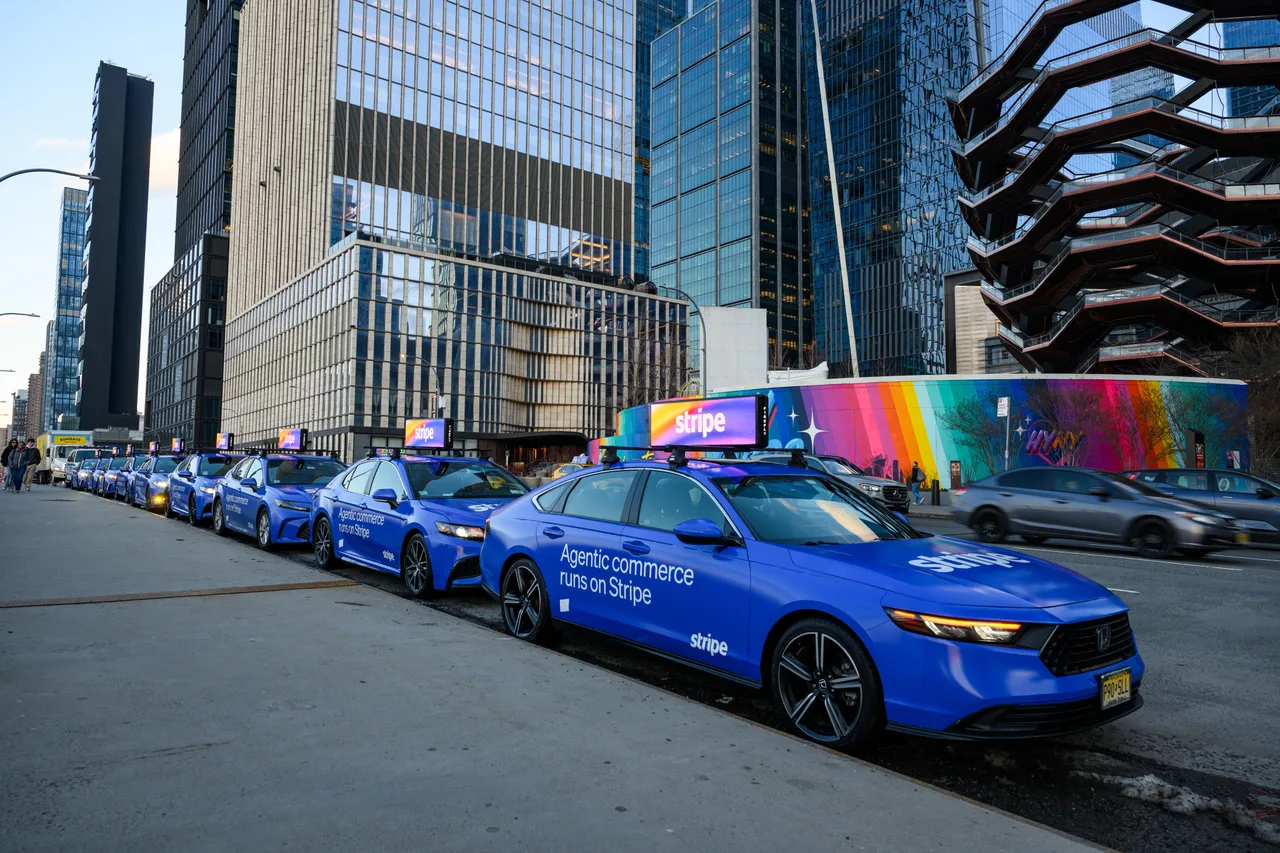
Almost always with specialists. Running screens or wraps on vehicles means operating a fleet: drivers, routing, maintenance, local permissions. That is a different business from maintaining fixed structures. The large site owners generally do not do it, so the format is missing from their rate cards even in cities where it is running every day. Firefly is the specialist this site's archive documents most, on digital and static tops, wraps and LED trucks; Carvertise and Can’t Miss US are the wrap and truck equivalents. Which authority governs each moving format, and where a format is unlawful, is on transit advertising.
The practical consequence for a planner: if you ask a billboard owner about mobile inventory, a reasonable answer is "we don't have that", and a common answer is a redirect to something stationary. Neither tells you whether the format was right for your brief.
How do you evaluate a company before committing?
Four questions separate operators from resellers quickly.
- Can you show documented campaigns in this market and format? Dated photographs of live campaigns, not renders. The archive on this site exists partly to set that expectation: it holds 3,783 frames across 21 US markets, so "show me proof" is a reasonable thing to ask anyone. Eight of them are walked through on out-of-home advertising examples.
- Which measurement provider do you report against? And does the method match the format: fixed-panel methodology applied to mobile inventory produces a number that does not mean what it looks like.
- Do you own or operate this, or resell it? Both are legitimate; the answer tells you who fixes problems mid-flight.
- What are the local restrictions on this format here? An operator will know. A reseller often will not.
Where to go next
The measurement question is the one buyers underestimate most, and it is covered in full on how out-of-home impressions are measured. For the formats themselves and how they are bought, start with the guide to out-of-home advertising. For the moving formats and their regulators, transit advertising. To see what each company type's product looks like in the field, the campaign archive.
Frequently asked questions
- What are the biggest outdoor advertising companies?
- By 2025 revenue in their own Form 10-K filings: Lamar Advertising ($2.27 billion), OUTFRONT Media ($1.83 billion) and Clear Channel Outdoor (about $1.6 billion). All three are publicly traded media owners. They are the biggest owners of structures, which is not the same as the biggest sellers; platforms and agencies place spend across many owners without owning a site.
- What is an OOH managed service provider?
- An agency-side company that plans, buys, executes and reports out-of-home on an advertiser's behalf without owning any inventory. Billups uses the phrase for itself. In practice the category overlaps with what other firms call an OOH specialist agency: the defining features are no owned media, a fee or commission model, and buying across every owner and platform.
- How does Billups compare with other OOH agencies?
- On what each states about itself: Billups is a managed-service specialist with a patented analytics platform and offices across three regions. Talon describes itself as an independent global OOH agency with 12 offices. Rapport is part of the IPG Mediabrands holding group. None owns inventory, so the practical differences are ownership structure, in-house measurement tools and footprint in the markets you need, not access to media.
- Which agencies manage OOH campaigns across multiple markets?
- Any managed-service agency with staff or partners in each market can, and the question to ask is which markets it has actually bought in recently. Billups, Talon and Rapport all publish multi-region footprints. For a single moving format across markets, a specialist operator with a fleet in each city is often the shorter route than an agency.
- What is the difference between a media owner and an OOH agency?
- A media owner sells space it owns and earns when its own sites are booked. An agency owns no inventory and plans across every owner, format and platform. Ask an owner what to buy and you will hear about its portfolio. That is not dishonesty, just the shape of the business.
- Do I need an agency to run out-of-home advertising?
- No. Single-market, single-format campaigns are routinely booked directly with a media owner or specialist. Agencies earn their place when a campaign spans several markets, mixes formats, or has to be reconciled against other media in one plan.
- What is a DOOH DSP and do I need one?
- A demand-side platform buys digital out-of-home inventory across many owners against an audience rather than a site list, and is paid a platform fee, generally a percentage of spend. It is worth using when you want targeting and mid-flight changes. It is the wrong tool when the campaign depends on appearing at specific named locations.
- How are out-of-home companies paid?
- Media owners sell occupancy of their own sites. Concession holders sell space on public assets under a contract with the authority. Specialists sell the operation of a format they run. Platforms are paid on the spend that flows through them. Agencies charge fees or commission. Measurement providers license data. Each layer is paid differently, which shapes the advice it gives.
- Are there out-of-home companies that only do vehicle advertising?
- Yes. Vehicle-based inventory is usually operated by specialists rather than the large site owners, because it means running a fleet rather than maintaining structures. That is why it rarely appears on a standard media owner's rate card even in markets where it is active every day.
- How do I check that a company can actually deliver what it is selling?
- Ask for documented proof of past campaigns in the specific market and format, dated and identifiable. Renders and mockups show a design, not a delivery. Ask which measurement provider it reports against, and whether the method fits the format being sold.
Sources
- Lamar Advertising Company, Form 10-K for fiscal year 2025 (displays, segments, net revenues) · U.S. Securities and Exchange Commission, Filed February 20, 2026
- OUTFRONT Media Inc., Form 10-K for fiscal year 2025 (markets, MTA franchise, total revenues) · U.S. Securities and Exchange Commission, Filed February 26, 2026
- Clear Channel Outdoor Holdings, Inc., Form 10-K for fiscal year 2025 (DMAs, displays, segment revenue) · U.S. Securities and Exchange Commission, Filed February 26, 2026
- The Trade Desk, Inc., Form 10-K for fiscal year 2025 (platform fee based on a percentage of client spend) · U.S. Securities and Exchange Commission, Filed February 27, 2026
- MTA Advertising Policy (concessionaire named, policy updated by the MTA Board) · Metropolitan Transportation Authority, June 25, 2025
- Advertising with the MBTA: vendors by asset type · Massachusetts Bay Transportation Authority, Accessed September 14, 2026
- Out of Home Advertising Revenue Reaches Record $9.46 Billion · Out of Home Advertising Association of America (OAAA), March 17, 2026
- OOH industry advances effort to modernize audience measurement and selects Ipsos for pilot program · Geopath, March 31, 2026
- Advertising Solutions: programmatic capabilities (Place Exchange, Vistar Media, Hivestack, Broadsign) and market list · Firefly, Accessed September 14, 2026
About the author
Melih Koray is a marketing and SEO practitioner who documents out-of-home media, with a particular interest in inventory that moves. On this site he writes the vendor and ranking pages, where the question is who owns what and what each seller publishes, and he edits every page, tracing each statistic to a named and dated source.
Melih Koray on LinkedIn · How this site is edited and what it refuses to publish: about this site.