Out-of-home advertising examples, from campaigns that actually ran
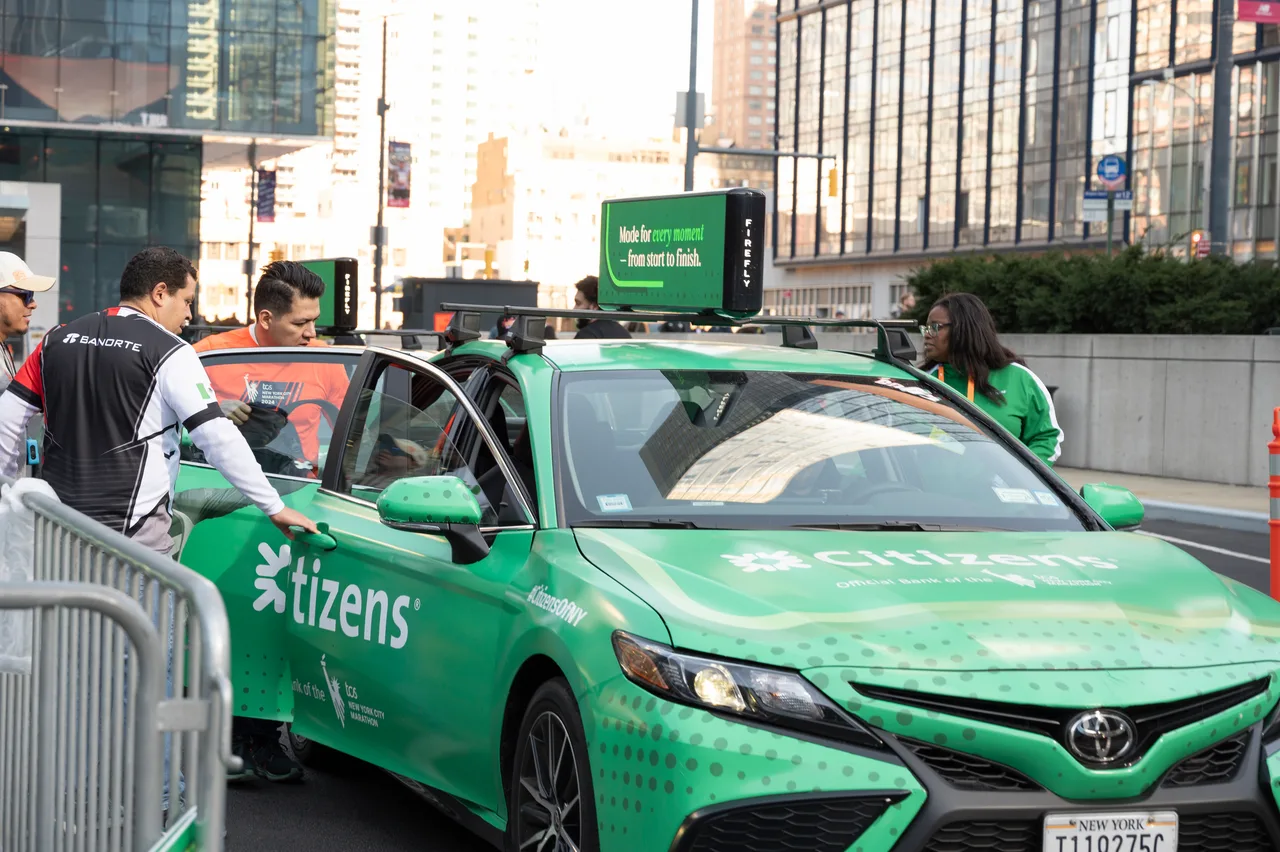
Most published out-of-home examples are composites: artwork dropped onto a stock photograph of a blank site. Every example here is a photograph of a placement that ran, drawn from an archive of 3,783 documented frames covering 603 brands in 21 US markets, and grouped by format so the format can be judged as well as the design.
Search for out-of-home examples and you get mockups. A blank billboard photographed at golden hour with artwork composited in, no traffic, no obstruction, no glare. They are useful for showing a design and useless for showing what the format does.
Everything below is a photograph of a placement that ran. Nothing has been composited, and every caption was checked against the photograph before it was published.
What is shown here?
24 frames across eleven formats and ten markets, 2022 to 2026, one group per format. Each group opens with what the format is for, because that is the part a photograph cannot show. Where the formats are defined and how each is bought is in the guide to out-of-home advertising; the screen-only subset is on what DOOH is.
Which out-of-home formats are shown, and what is each one for?
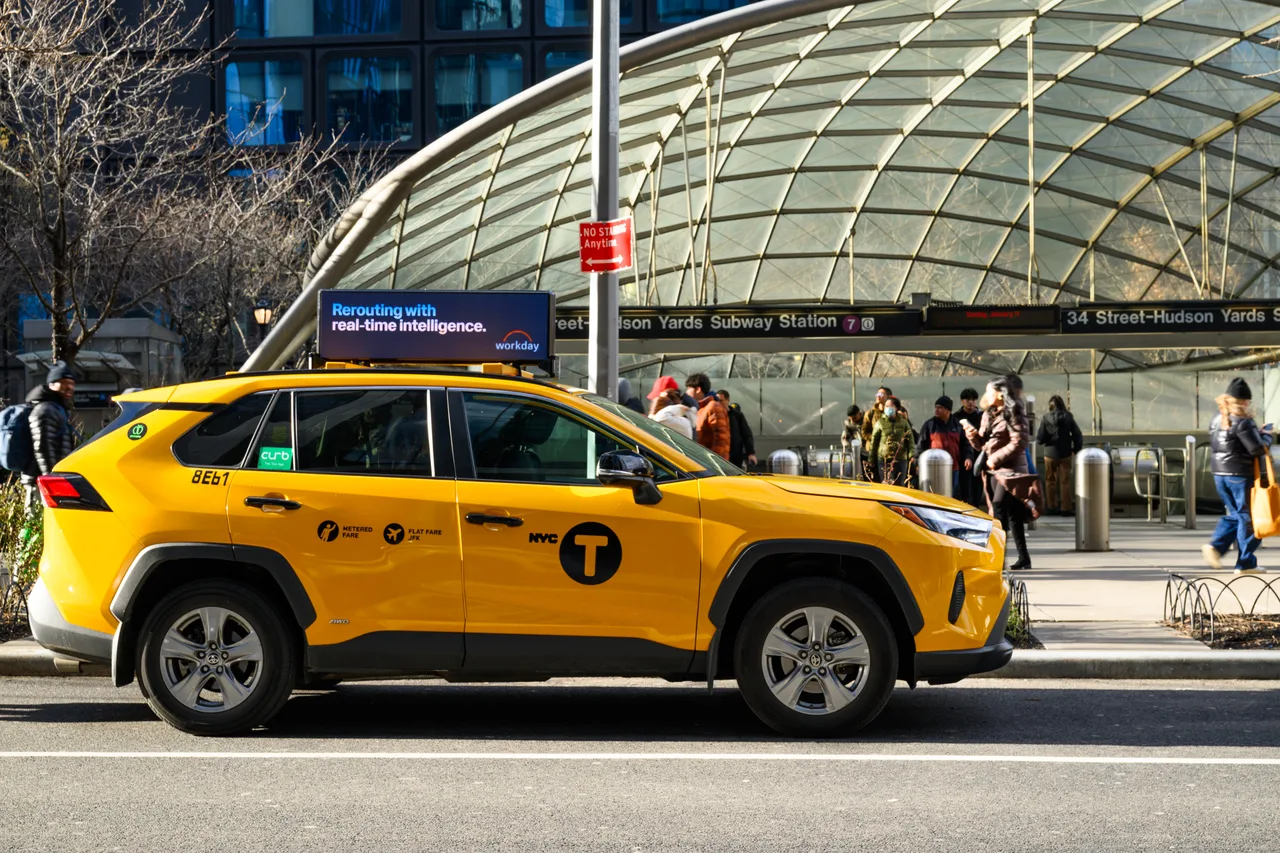
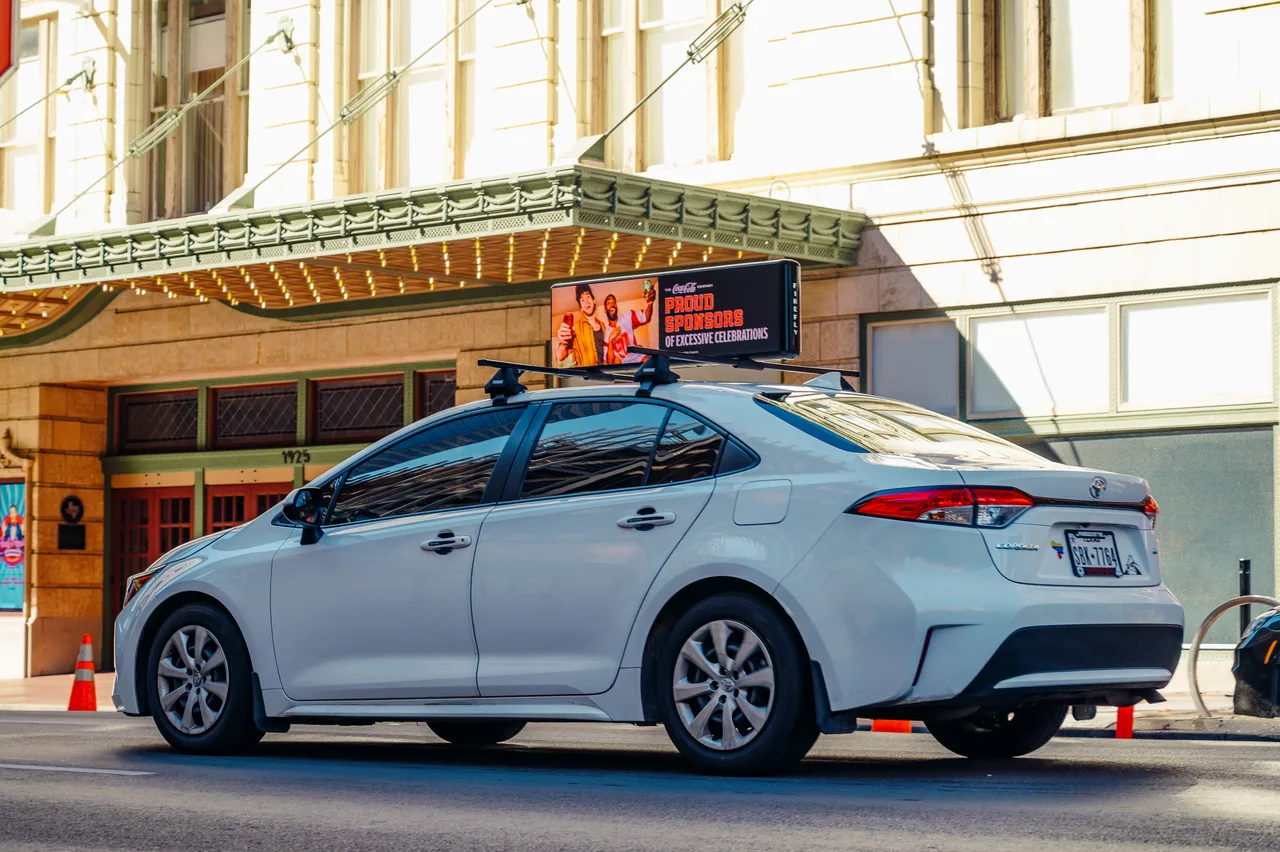
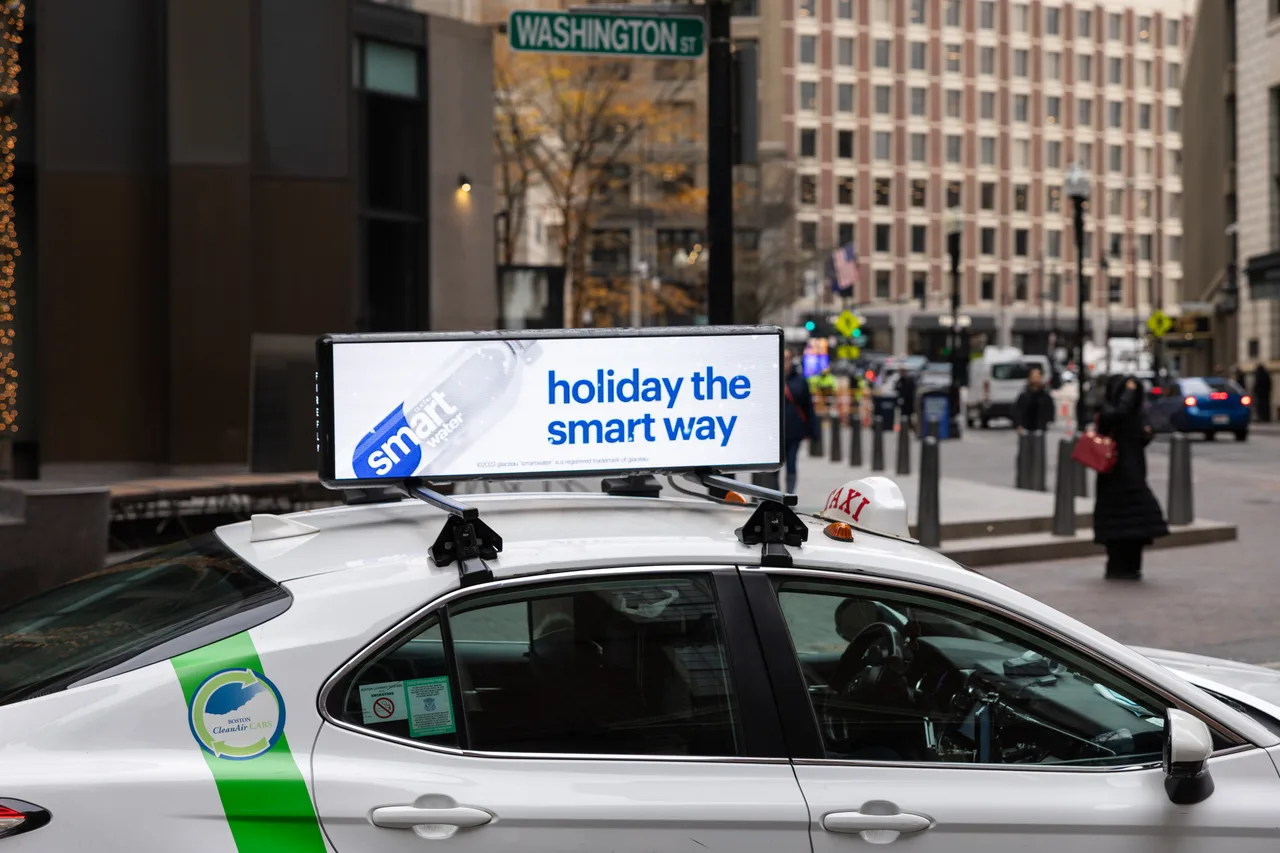
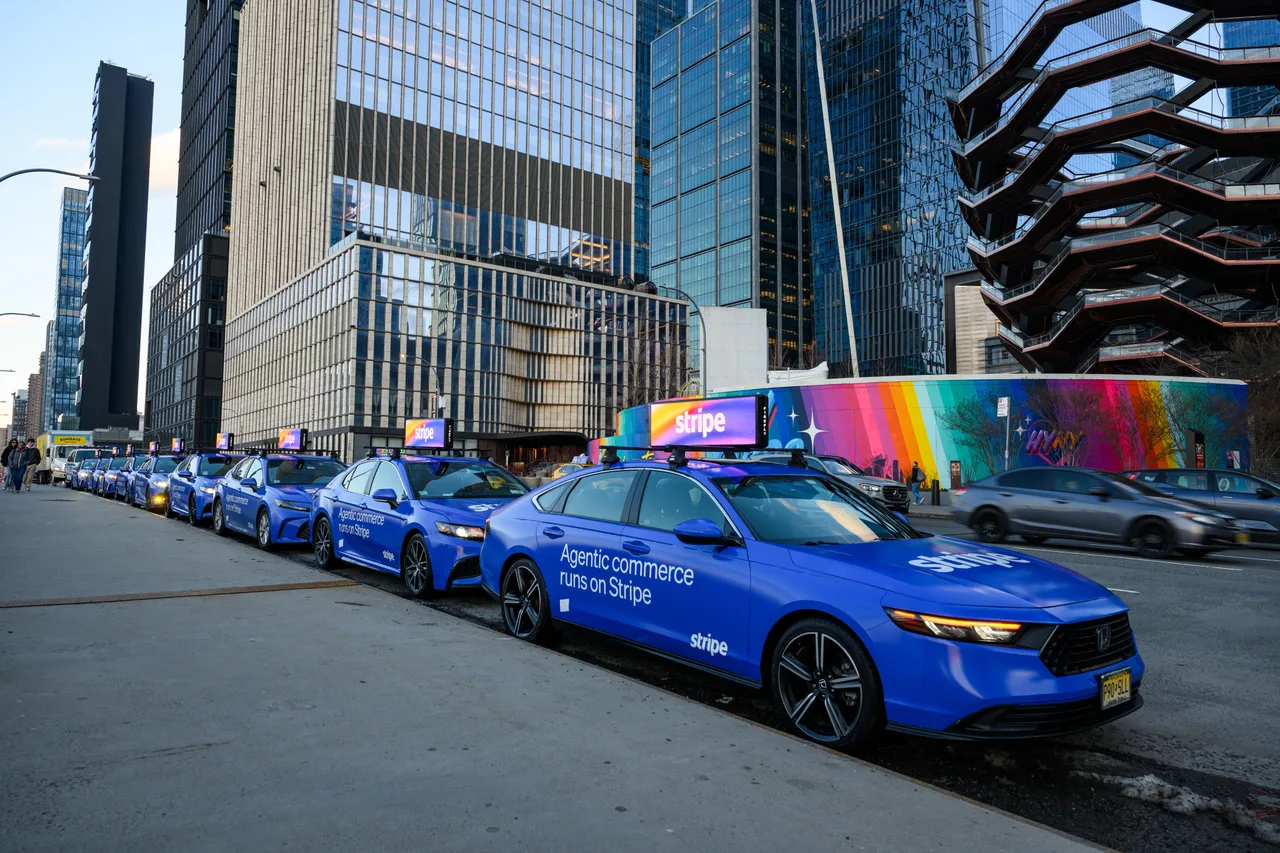
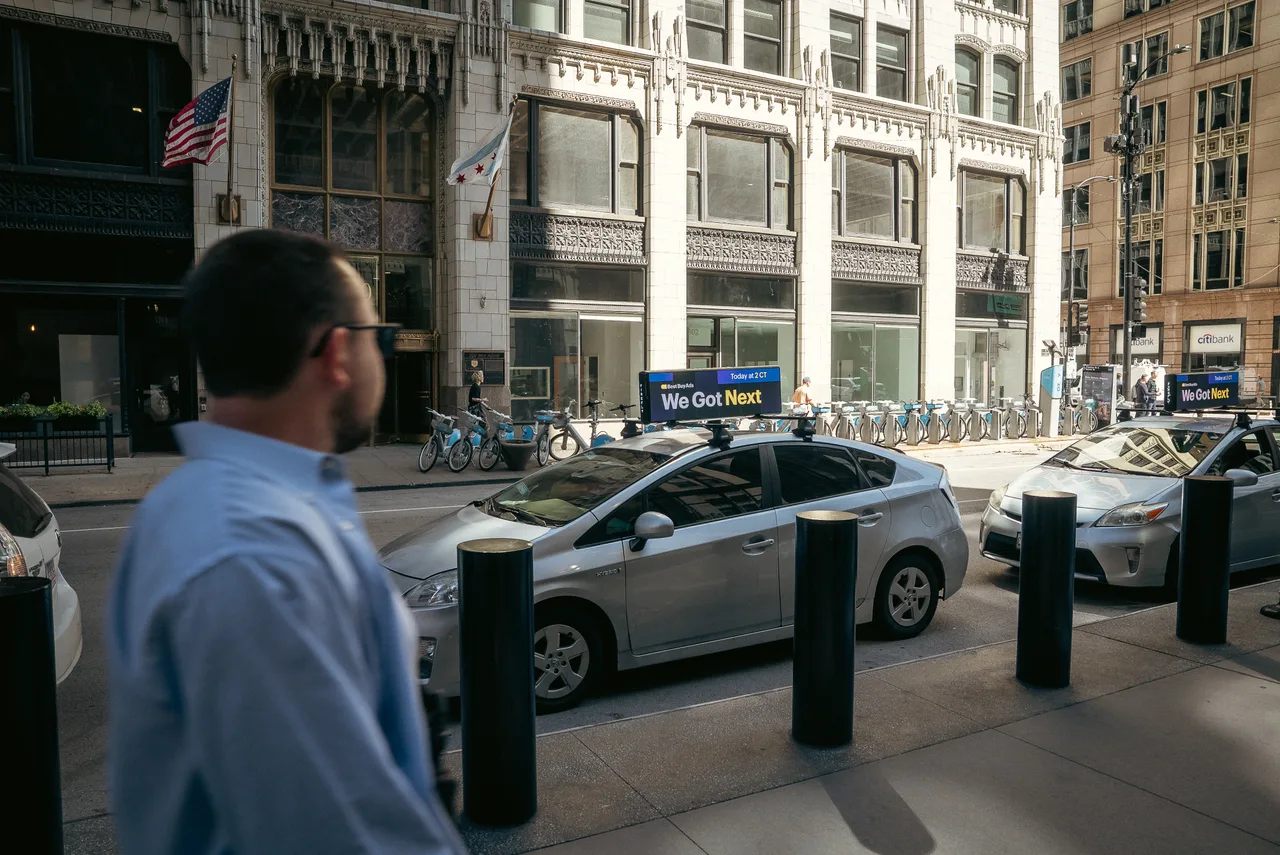
Digital screen on a taxi or rideshare roof
A screen carried through the city at street level rather than fixed beside a road. The creative can change by hour and by route, which is what separates it from the printed top below it. Digital formats of every kind were 36.3% of US out-of-home revenue in 2025 by OAAA’s count; the moving share of that is not published.
Sold by Firefly (digital tops, 15 named markets), Blue Line Media (digital rideshare tops, resold city by city) and others.
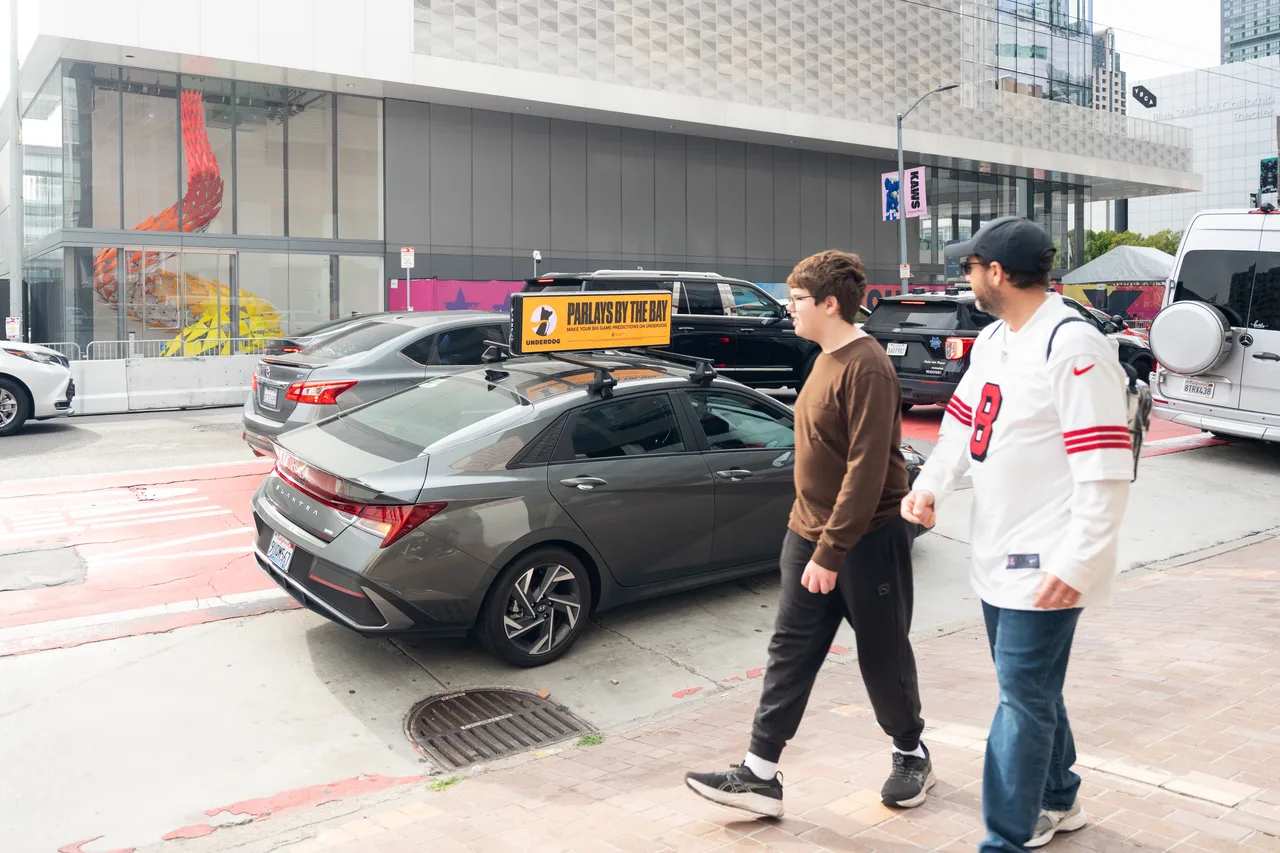
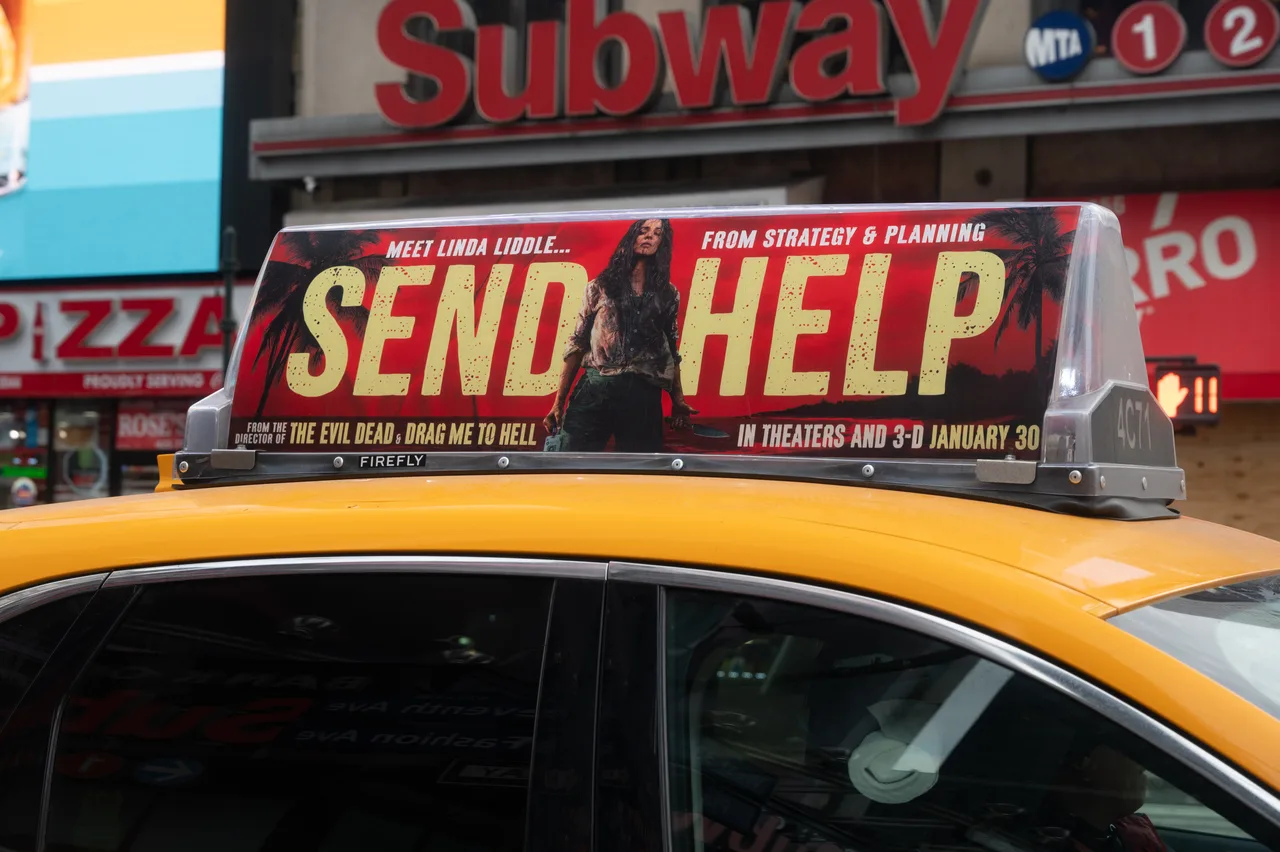
Static print top
The printed version of the same position. One creative for the posting period, no dayparting, no mid-flight change, and no dependence on power or connectivity. The IAB’s DOOH definition draws the line here: screens, not signs.
Sold by Firefly (static tops in standard, 2D and 3D formats), Blue Line Media (taxi tops, resold) and others.
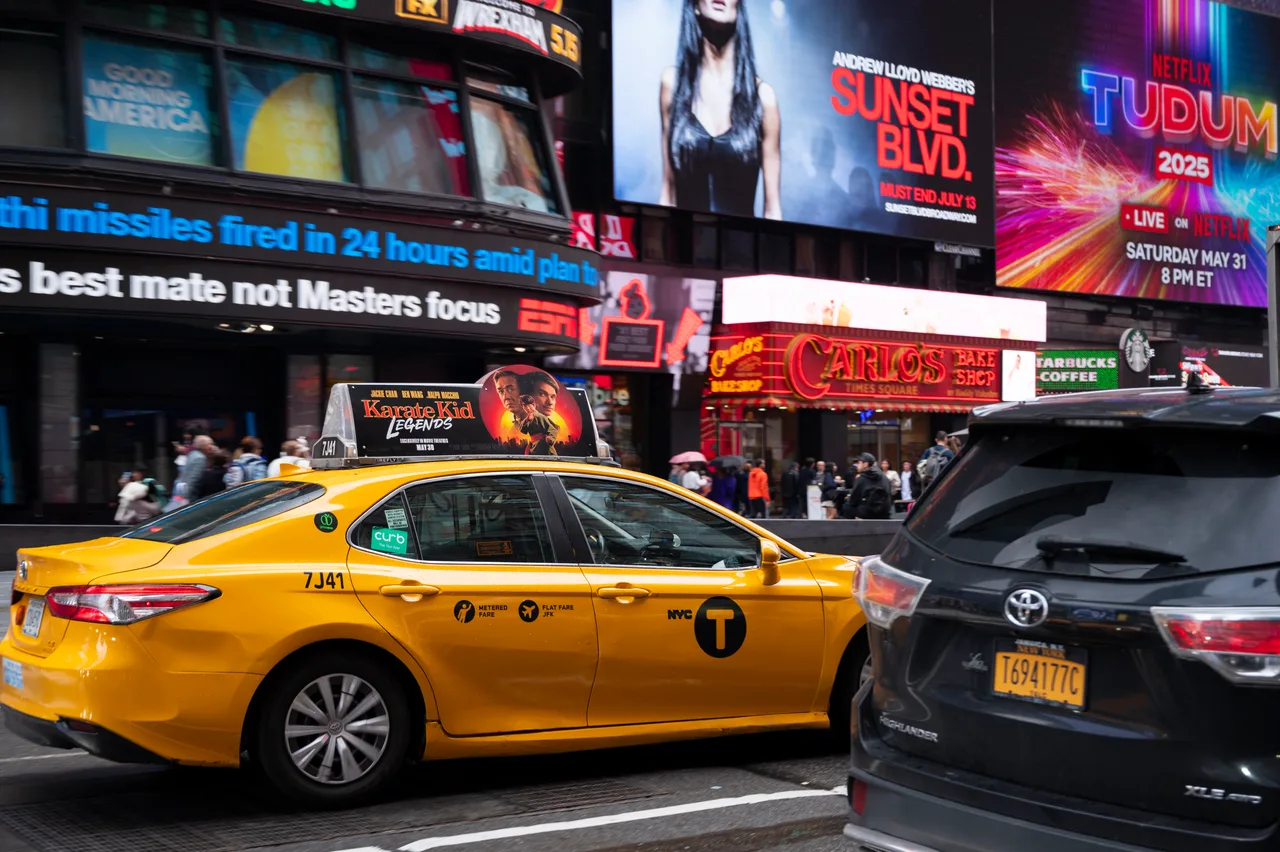
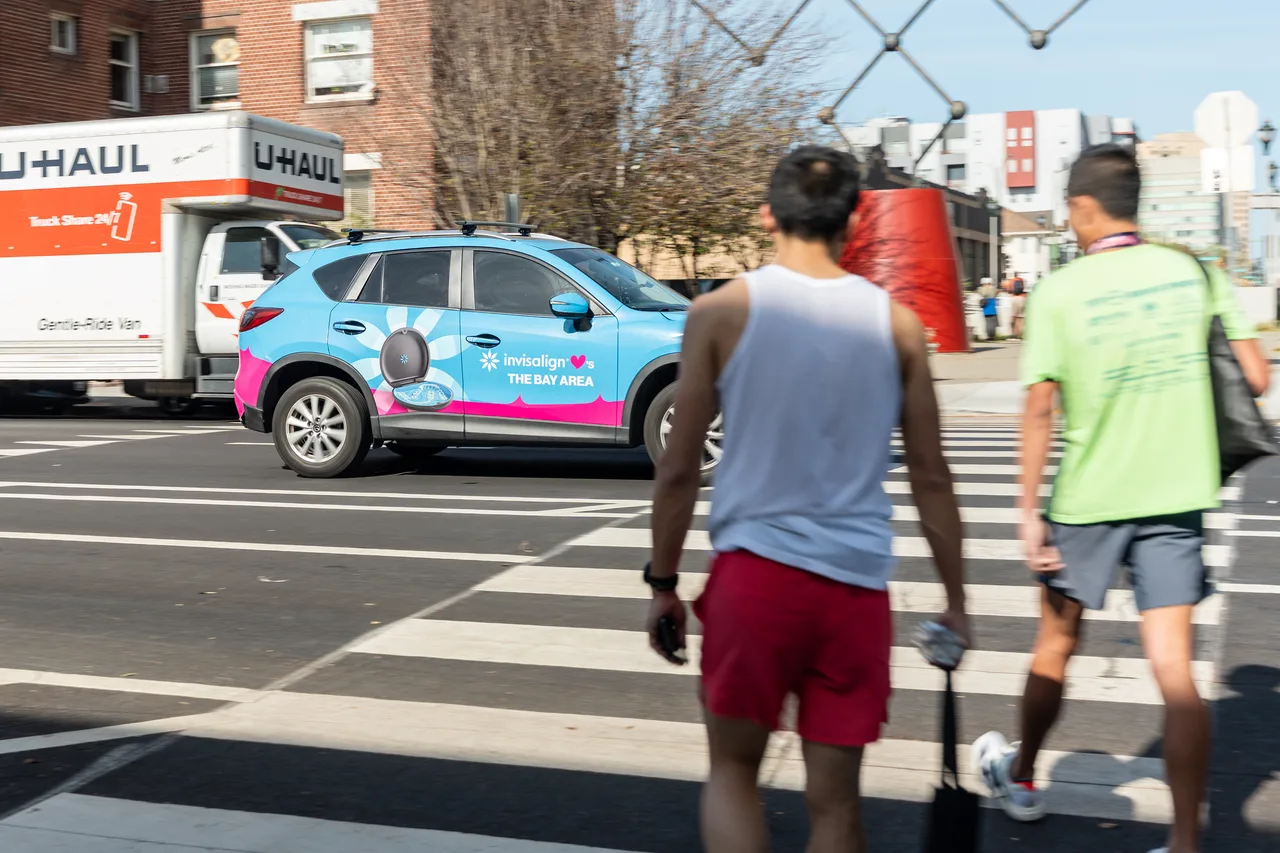
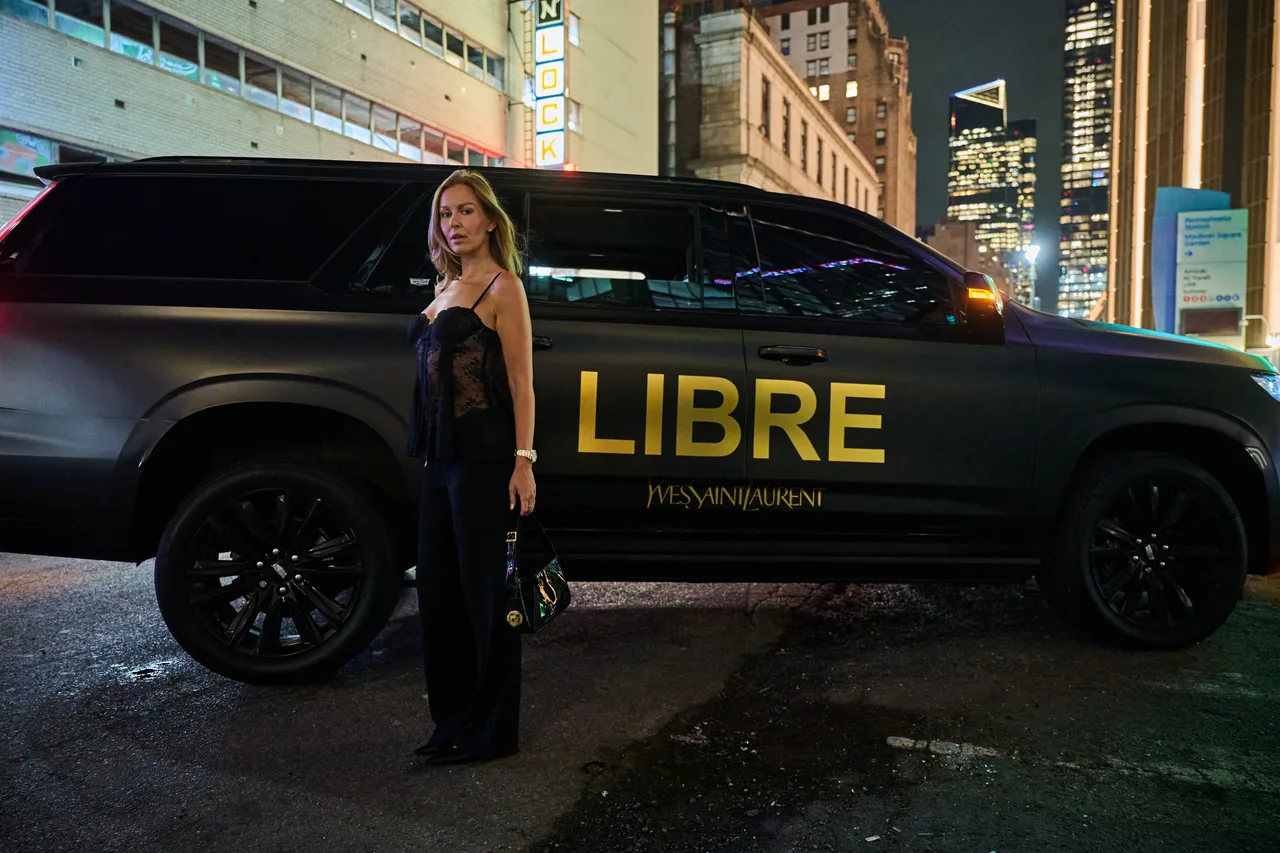
Vehicle wrap
No screen at all. The vehicle body is the ad surface, so the message is visible from every side and at every hour, and it is committed for the life of the wrap. Chosen when the brand mark matters more than the copy.
Sold by Firefly (360, 270 and 180 wraps, with or without a top), Carvertise (wraps on rideshare and delivery drivers' cars) and others.
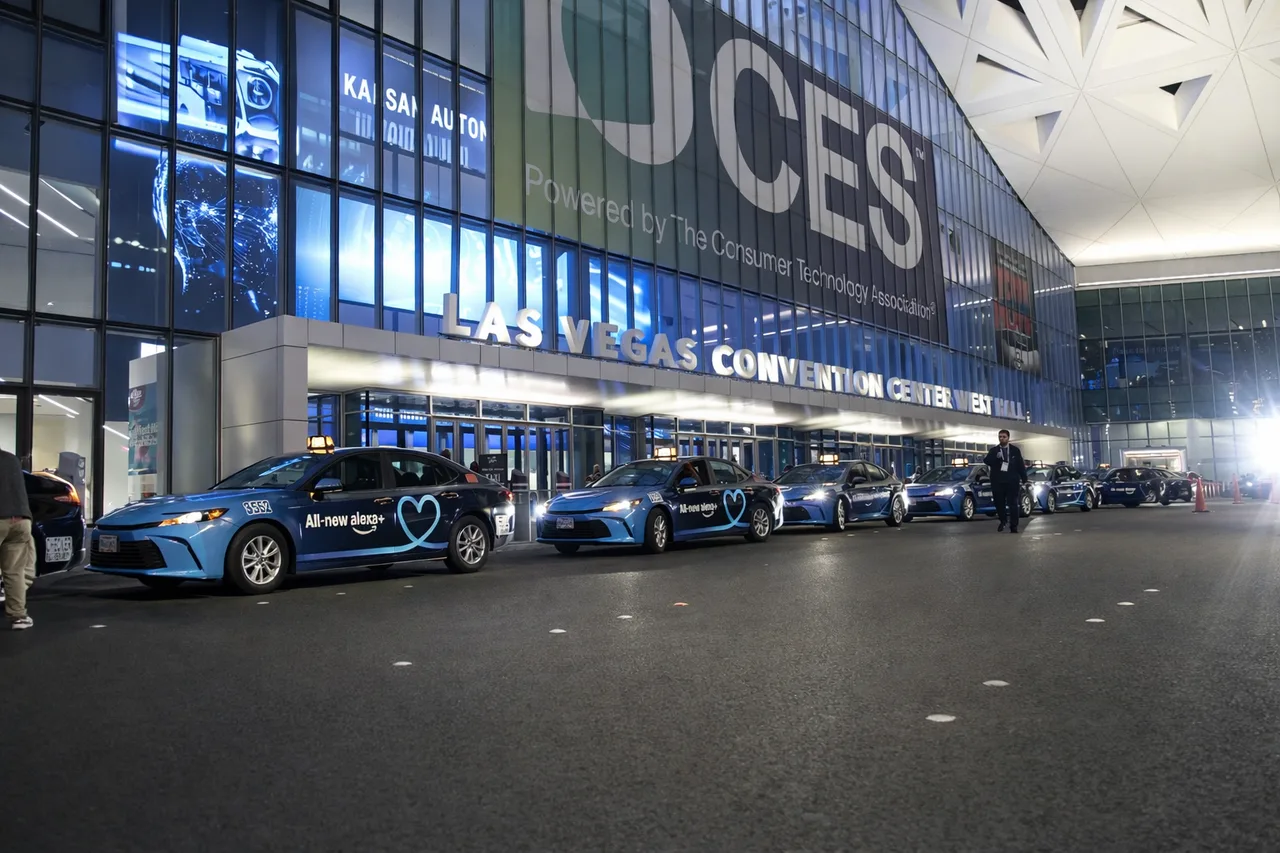
Swarm deployment
Not a surface but a pattern: several wrapped or screen-carrying vehicles routed together so a district sees the same brand repeatedly within minutes. Used for launches and event dates, when frequency in one place matters more than reach across a city.
Sold by Firefly (coordinated swarms, a multi-vehicle takeover on a customised route) and others.
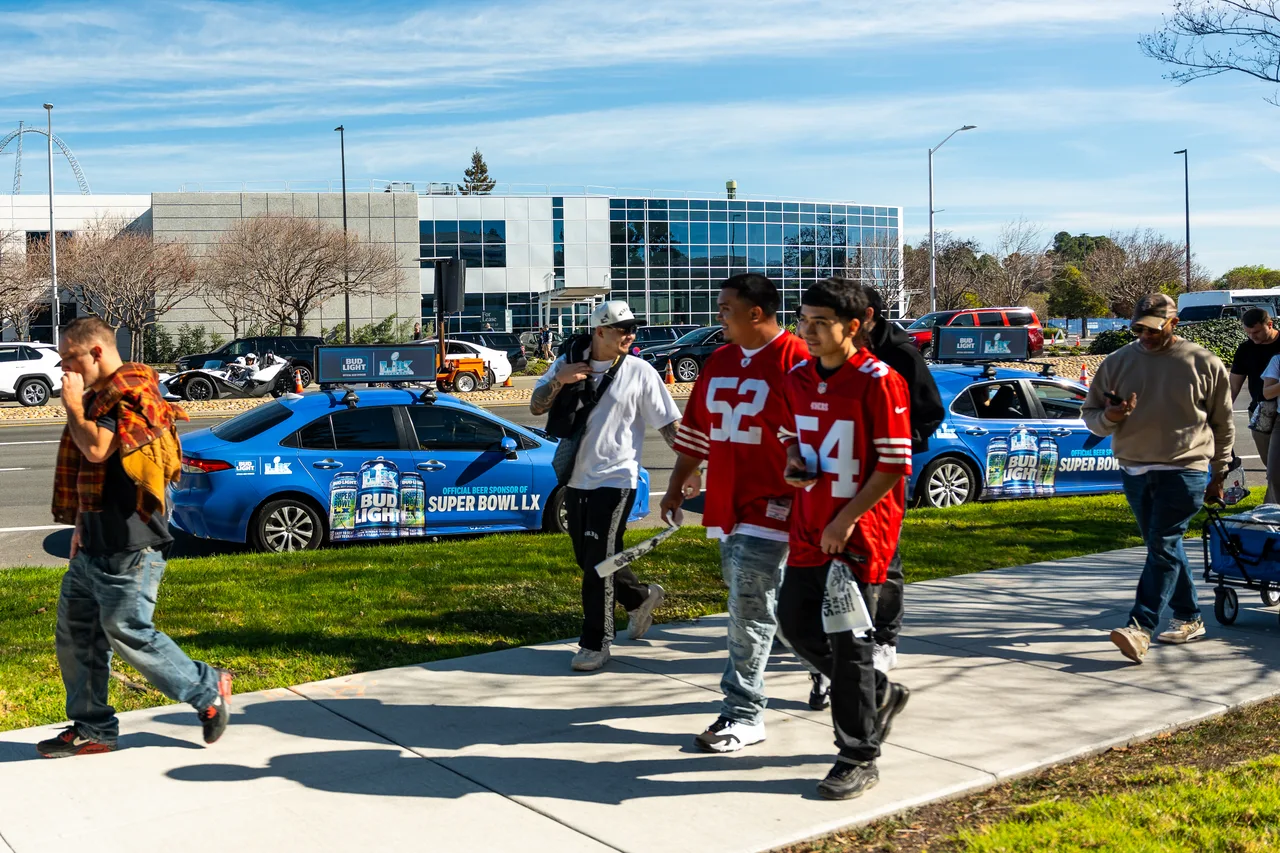
LED truck
The full-size format: a truck whose only job is the display it carries. Large enough to be read across a plaza, and parked or driven wherever a permit allows, which is the part to check first in any given city.
Sold by Firefly (LED digital trucks, video or static), Can't Miss US (nationwide), Blue Line Media (mobile billboard trucks, resold) and others.
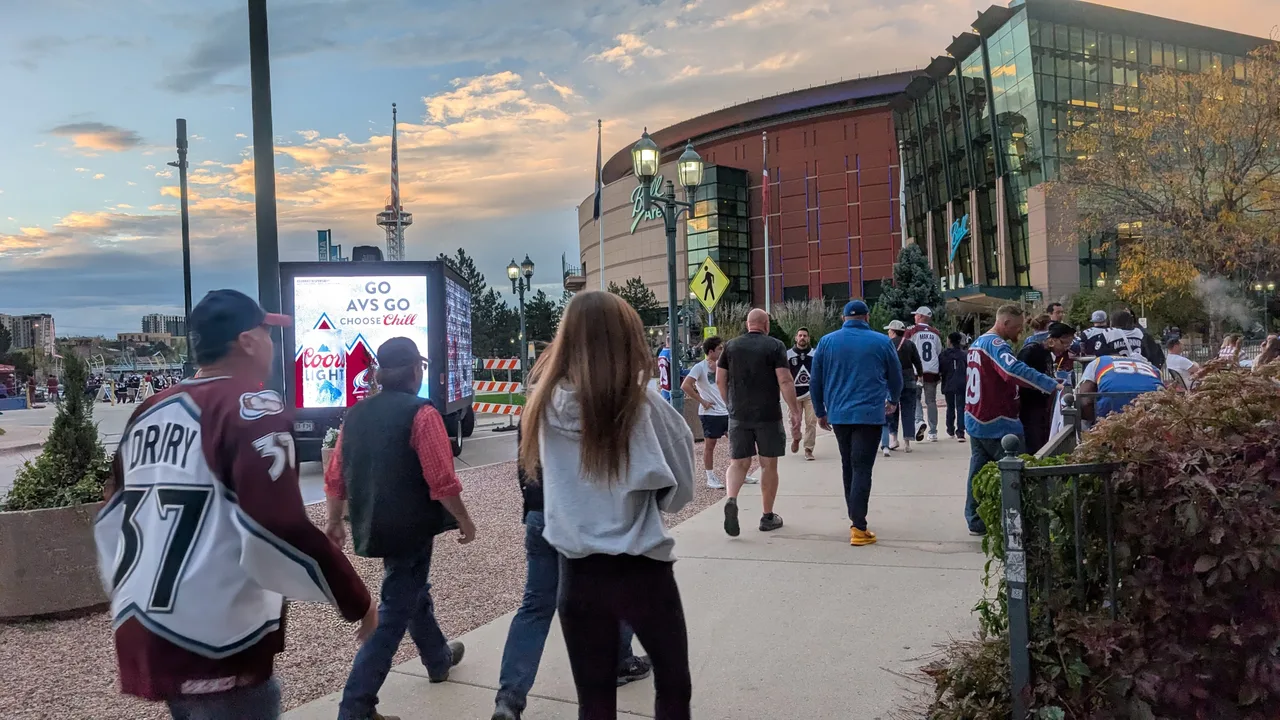
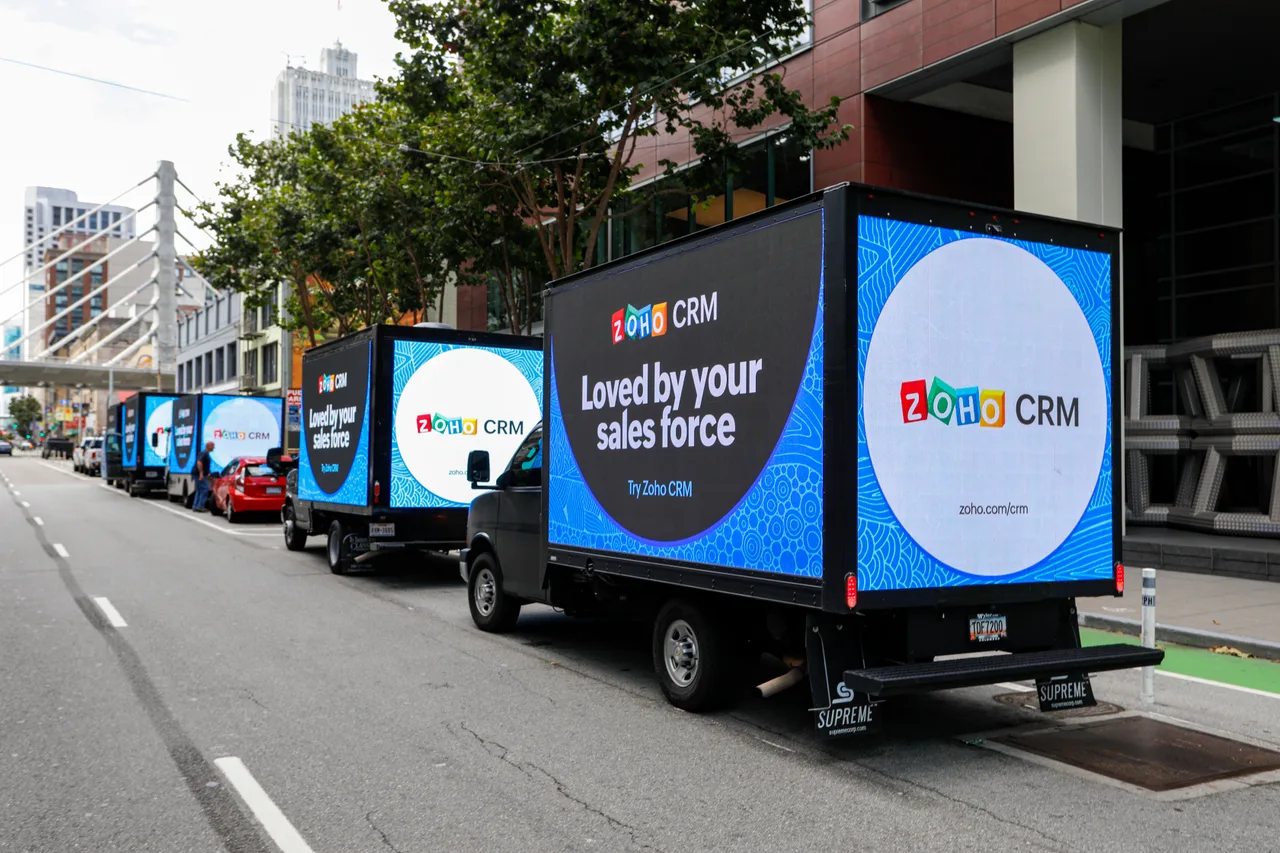
Hologram truck
A projection rig on a truck chassis. Used at night, for entertainment launches and fan events, where a flat panel would be one more bright rectangle among many.
Sold by Firefly (3D hologram trucks) and others.
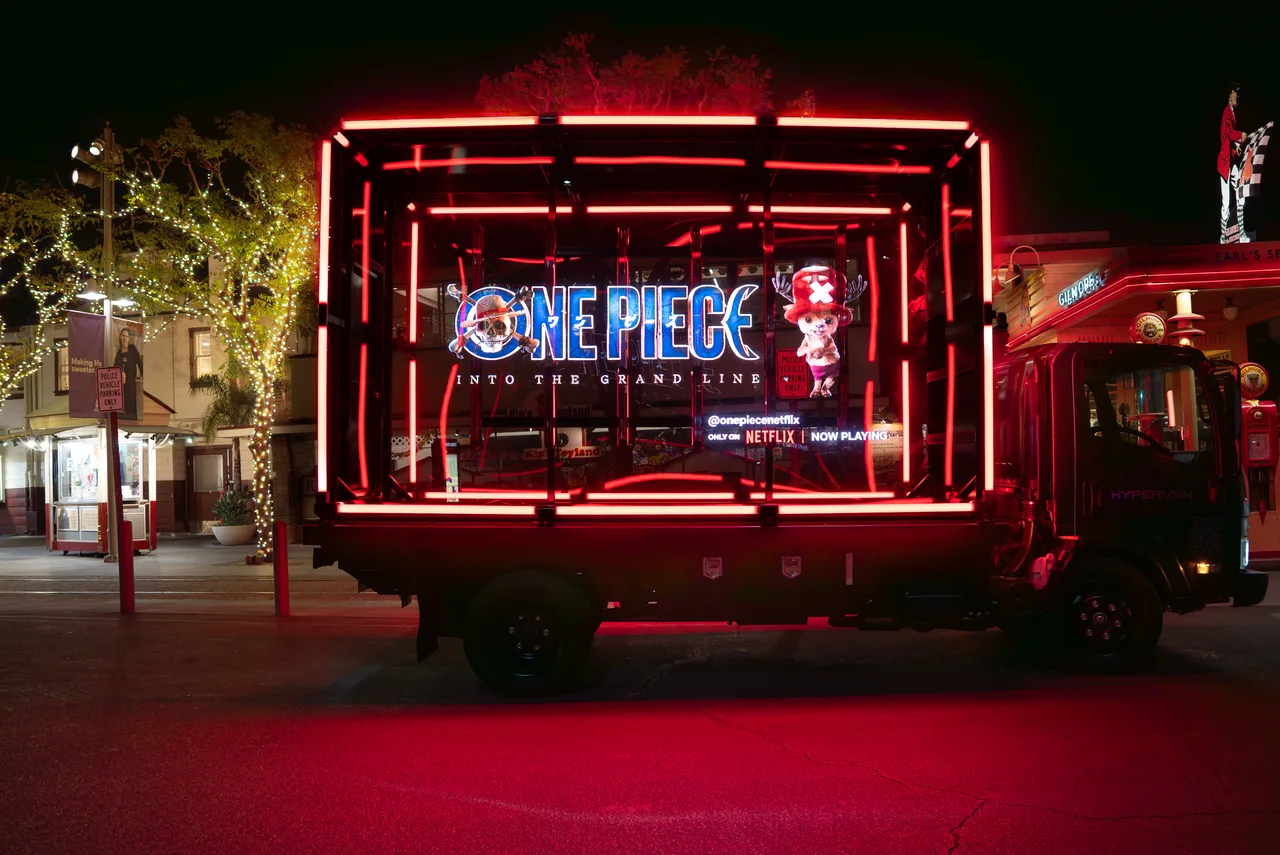
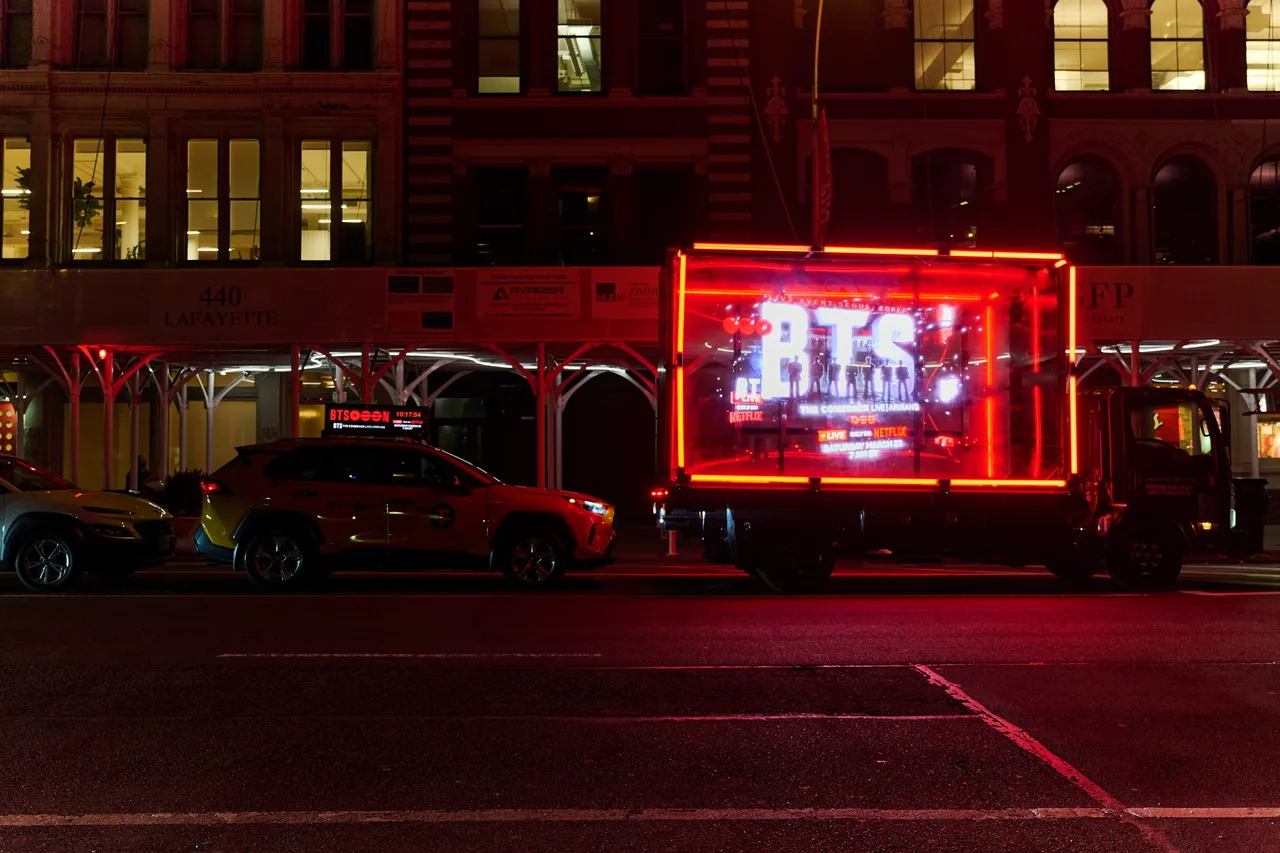
Glass truck
A glass-sided vehicle used as a display case, usually parked for a day at a time and staffed. It is closer to a pop-up shop than to a billboard, and it is judged on dwell rather than on traffic past it.
Sold by Firefly (glass trucks for product launches) and others.
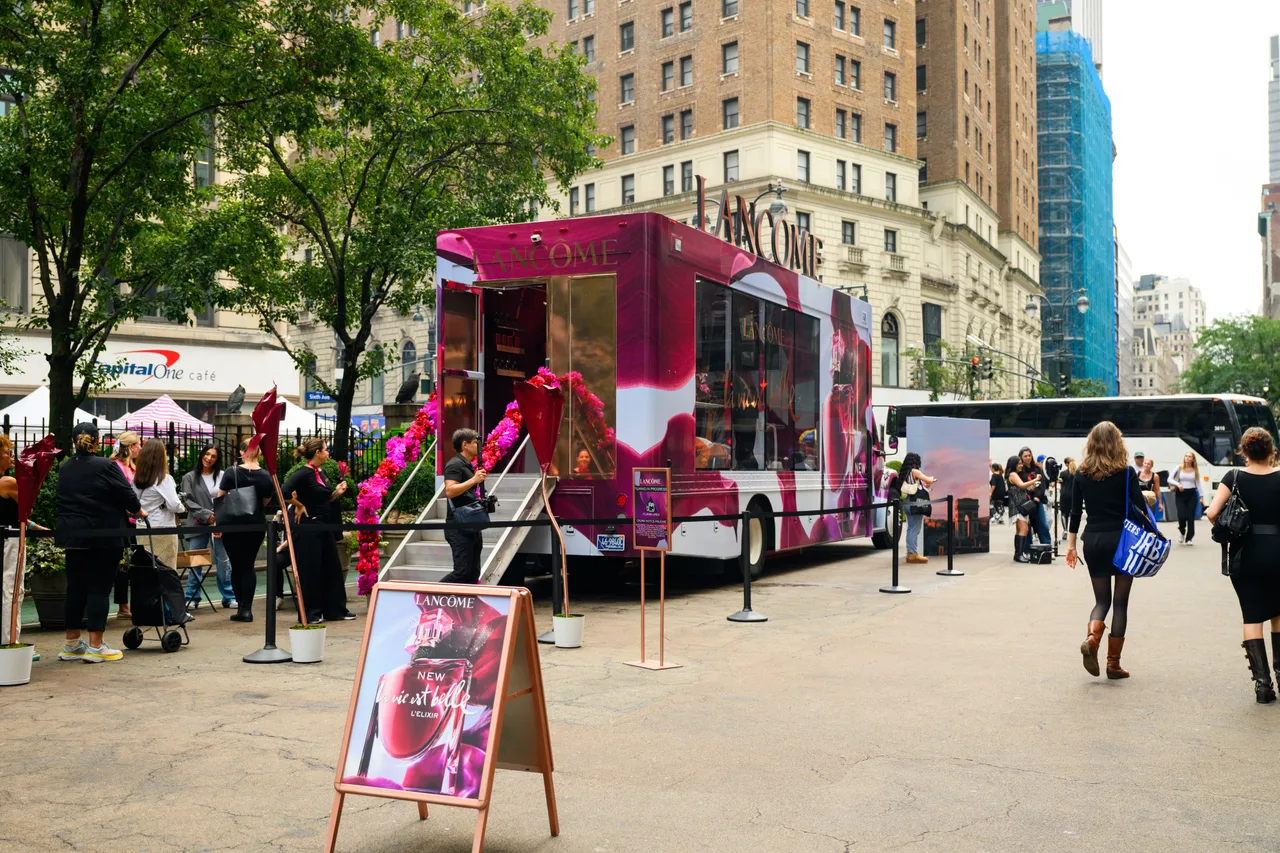
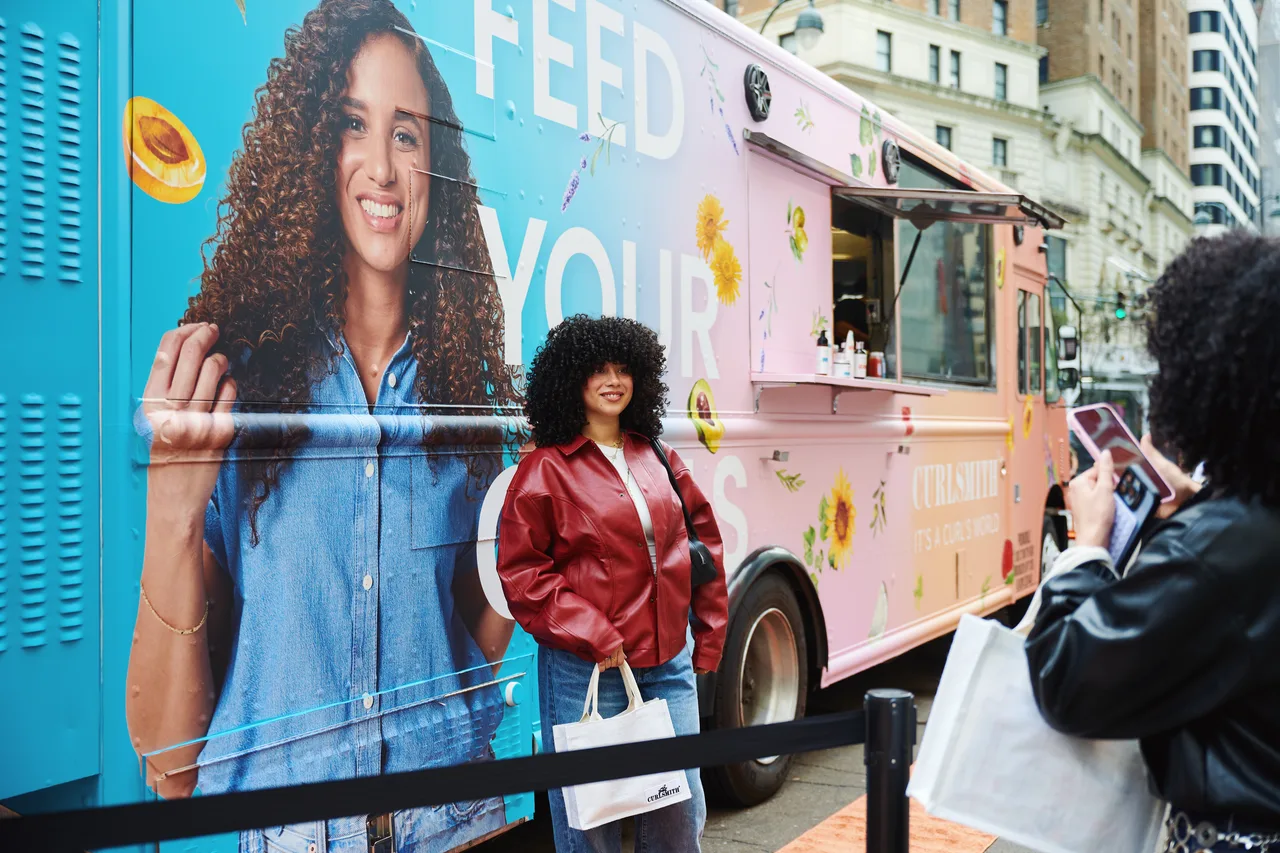
Sampling truck
A working vehicle carrying advertising as a second function: the truck hands something out, and the branding is what people photograph while they queue. The archive files these under food truck.
Sold by Firefly (branded food trucks with sampling and audio) and others.
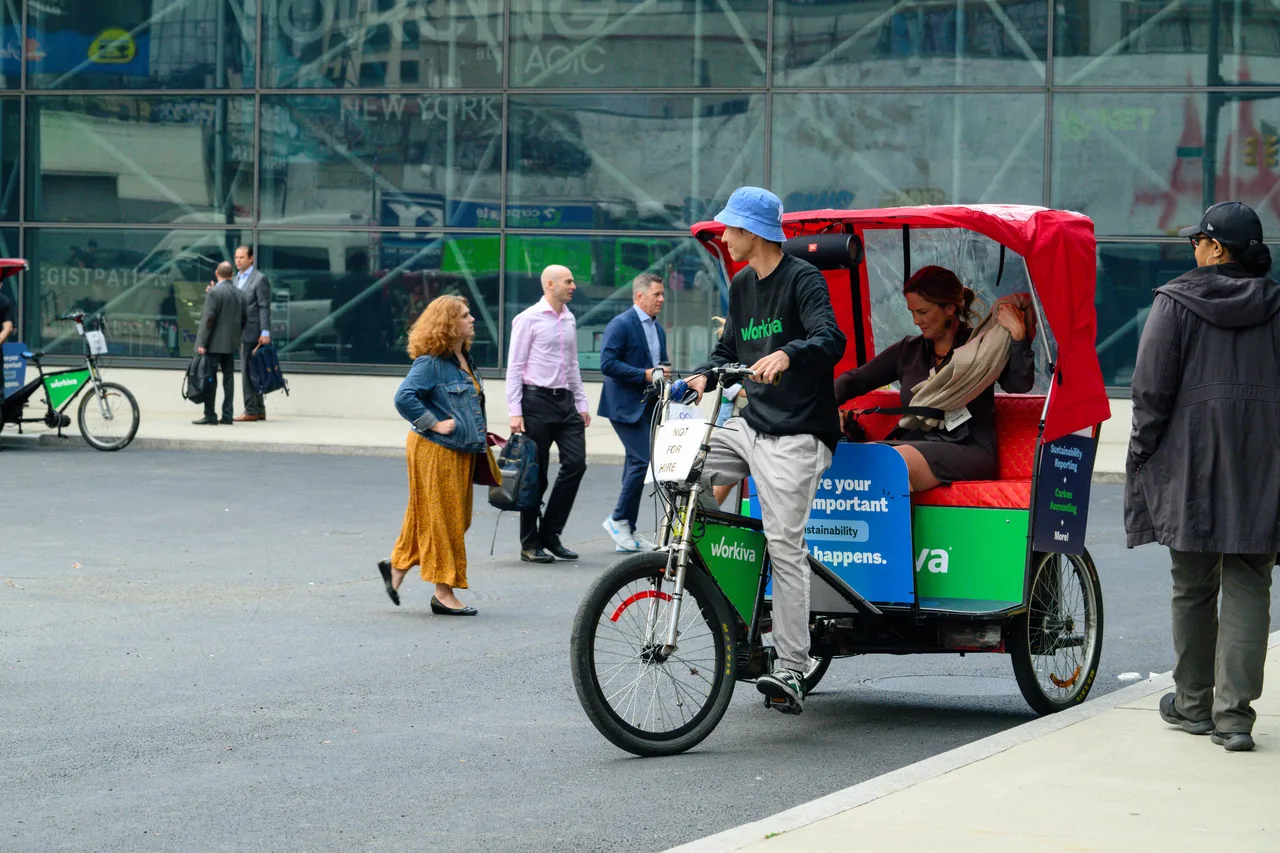
Pedicab
Low speed, high dwell, pedestrian areas and conference districts. The passenger is the audience as much as the pavement is, which is why these are often run as free rides.

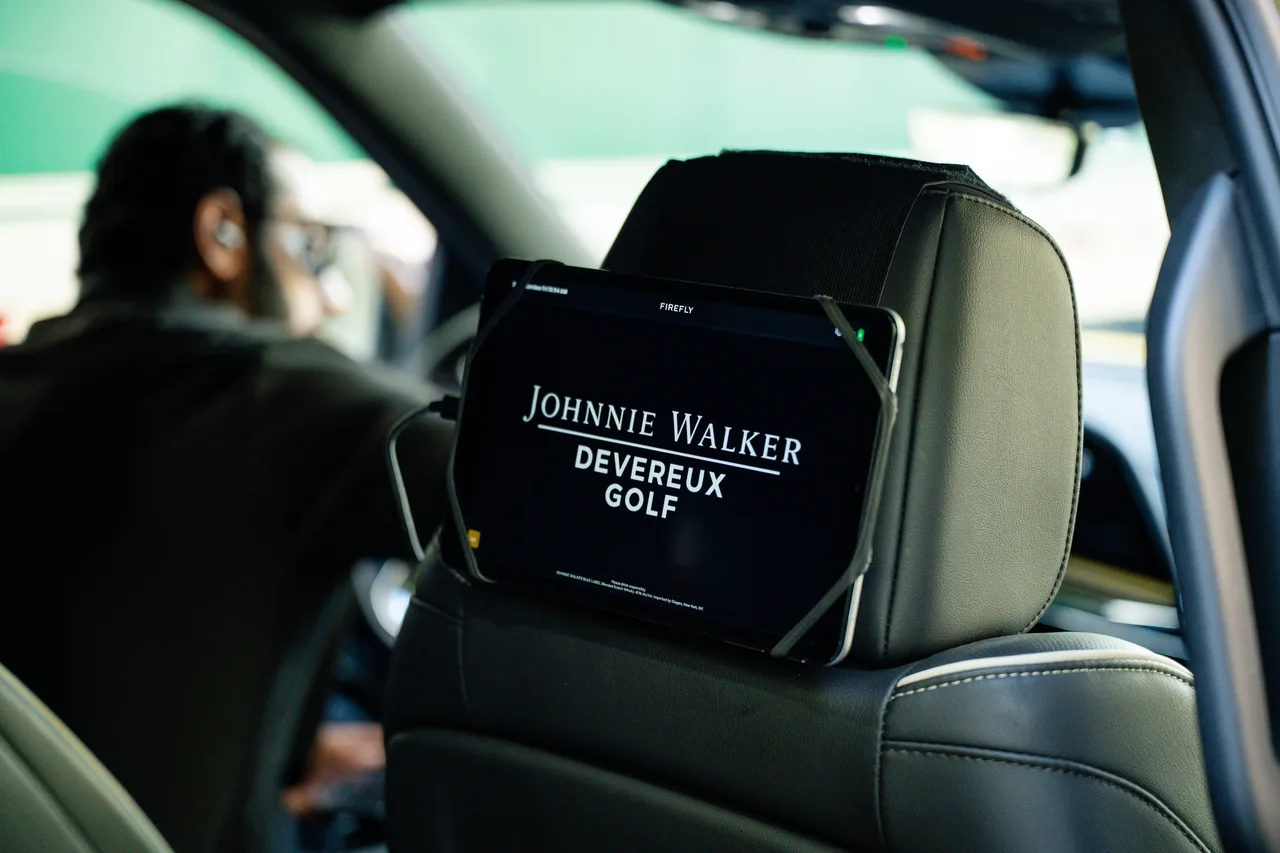
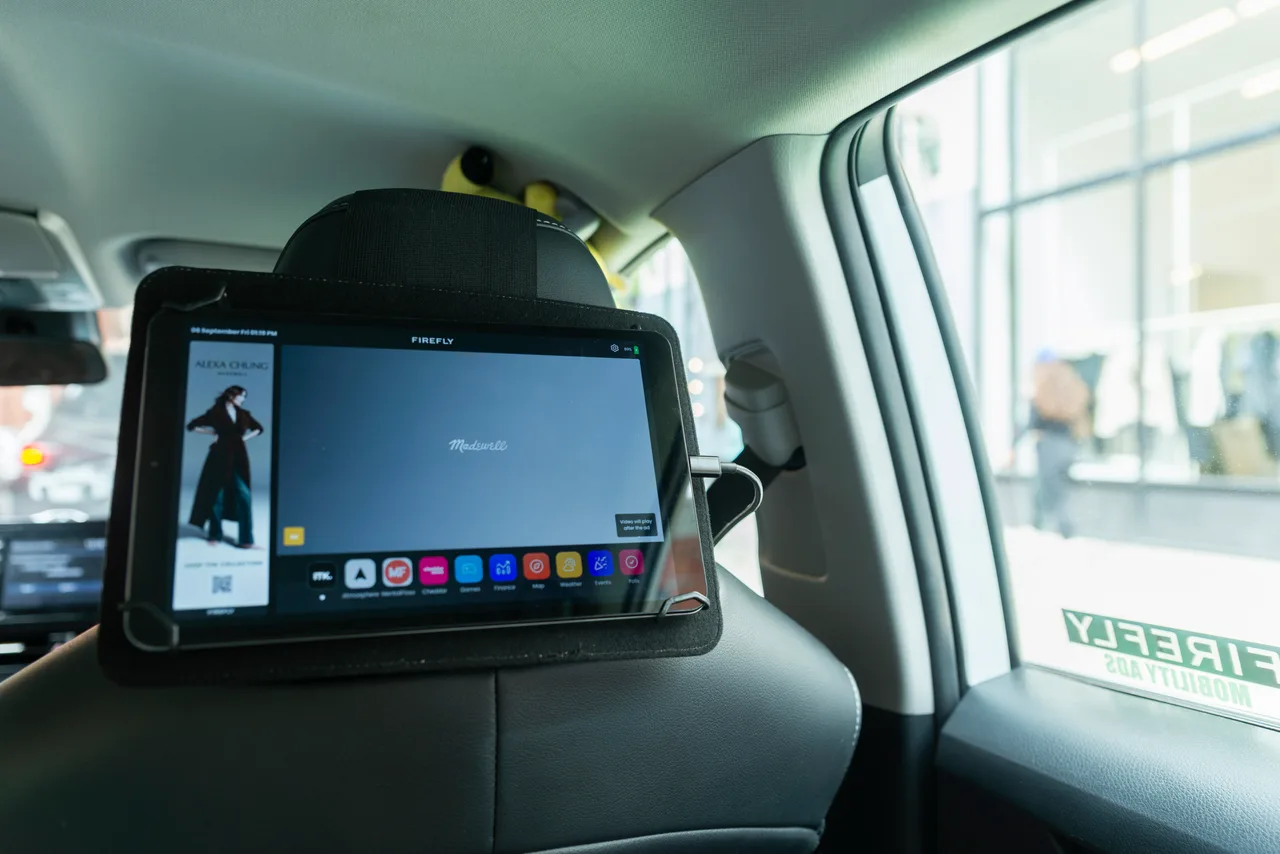
In-car screen
A screen aimed at the passenger inside the vehicle rather than at the street. One viewer at a time, several minutes of exposure, and the only vehicle format that behaves like a place-based screen. The OpenOOH taxonomy files it under transit.
Sold by Firefly (TaxiTV, since 2007), Blue Line Media (Taxi TV, resold) and others.
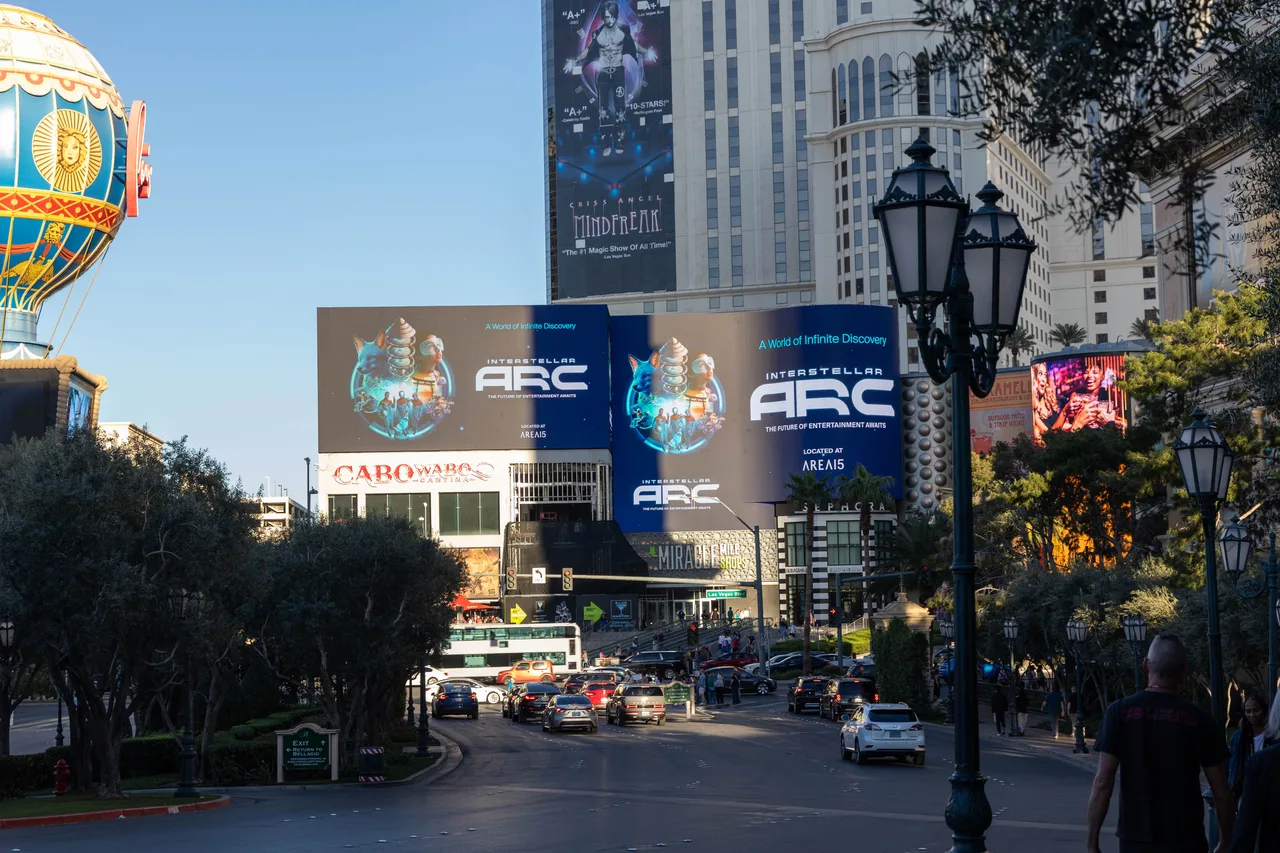
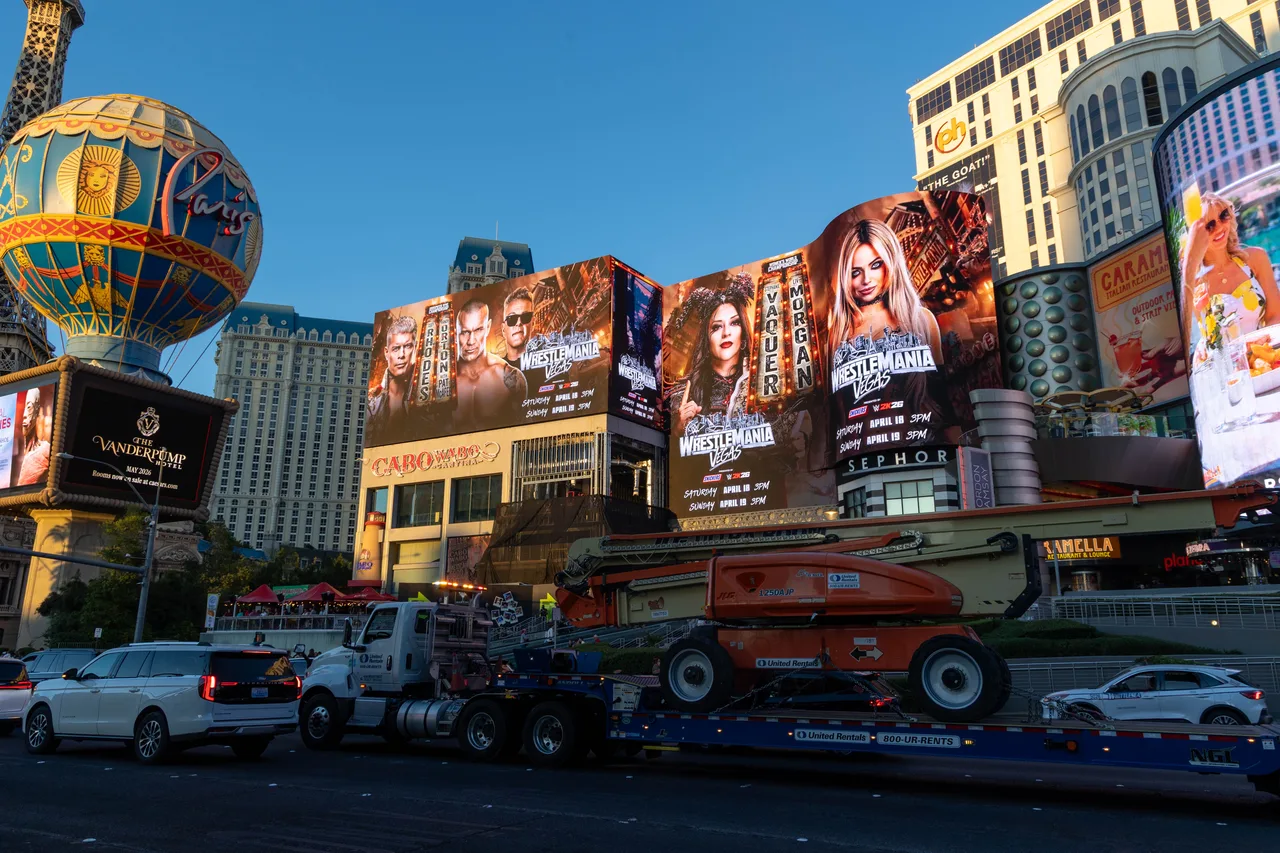
Spectacular
Large-format fixed digital at a landmark site. Included for contrast: these are the only frames on this page with a fixed coordinate, and the only ones a fixed-panel audience model describes correctly.
What separates a good placement from a good design?
Three tests, and they are unforgiving:
- A glance, not a read. Exposure to a moving or passed surface is measured in seconds. If the message needs longer, it is the wrong message for the medium.
- Identifiable without reading. Colour, shape and brand mark should do the work before any word is processed.
- Right place, not just a place. A brilliant execution in the wrong corridor reaches the wrong people efficiently.
Almost every "best out-of-home campaigns" listicle judges the first two and ignores the third, because placement is invisible in a photograph of the artwork. It is the part that decides whether the money worked, and it is the part an audience estimate is supposed to describe. Geopath defines an impression as the number of people passing a display who are likely to notice the ad; how that number is built, and why it is harder for a surface that moves, is on how out-of-home impressions are measured.
Where do these photographs come from?
All of them are campaign photographs from a single out-of-home operator's archive, used with permission, covering 21 US markets between 2020 and 2026. They document what a format looked like on the day it ran; they are not a claim about what is bookable now, and a format missing from a market here is not evidence that it is unavailable there. More of them, grouped by surface and carrier, are in the campaign archive.
Captions follow the archive's brand, city, format and year record, with the brand written as it appears on the creative. Where the archive's date did not parse, no year is shown rather than a guessed one; none of the frames on this page needed that.
Where to go next
For the formats that move and who regulates them, see transit advertising. For what the placement is bought through, and what changes when it is bought programmatically, see programmatic DOOH.
Frequently asked questions
- What counts as out-of-home advertising?
- Advertising encountered in public rather than on a personal device: billboards, posters, transit and street furniture, screens in venues, and anything carried on a vehicle. The IAB’s 2024 definition of the digital part excludes ads on phones and laptops even when the person is outside, and excludes in-app advertising.
- What are some examples of out-of-home media?
- A roadside billboard, a poster in a subway station, a screen in a shopping centre, a wrapped bus, a digital taxi top, an LED truck, a pedicab, a screen inside a rideshare vehicle. The photographs on this page cover the vehicle-based end of that list, plus one fixed spectacular for contrast.
- What are the different types of out-of-home advertising?
- The usual split is billboards, transit, street furniture and place-based. It describes fixed sites well and hides everything that moves. A more useful split separates the ad surface (screen, print, wrap), the thing carrying it (a structure, a car, a truck, a pedicab), and how the carriers are deployed (singly or as a swarm).
- What is a DOOH advertising example?
- Any out-of-home placement on a digital screen: a roadside digital billboard, a screen in a venue, a taxi-top display, a screen mounted on a truck. The screen is what makes it DOOH, not the location. The IAB’s definition is "screens, not signs."
- Where can I see real out-of-home campaign examples?
- The archive on this site holds 3,783 photographs of campaigns that ran, covering 603 brands in 21 US markets. They are photographs of live placements rather than renders, which is unusual for published format examples.
- Why do most out-of-home examples online look fake?
- Because most of them are. The industry norm for illustrating formats is a composite: artwork dropped onto a stock photo of a blank billboard. Renders show ideal light, no obstruction and no traffic, which is exactly what a real placement does not have.
- What kinds of brands use vehicle-based out-of-home?
- The frames on this page alone span software, financial services, beer, water, film and television, beauty, sport and consumer electronics. The format tends to be chosen for the geography it can cover and the dates it can cover it on, rather than for the sector.
- How should I judge an out-of-home example?
- Ask whether the copy would read at a glance and at distance, whether the brand is identifiable without reading, and whether the placement puts it where the target audience already is. Geopath counts an impression as a person passing who is likely to notice; a design that needs study is asking for something the medium does not give.
Sources
- Out of Home Advertising Revenue Reaches Record $9.46 Billion · Out of Home Advertising Association of America (OAAA), March 17, 2026
- Digital Out-of-Home (DOOH): Definition and Core Features · IAB, December 2024
- Glossary: impressions, circulation, visibility adjustment index · Geopath, Accessed September 14, 2026
- Campaign archive: documented placements by format and market · Digital Car Advertising, Accessed September 14, 2026
- On-Car Products: digital tops, static tops, car wraps (360°, 270°, 180°) · Firefly, Accessed September 14, 2026
- Experiential Offerings: LED digital trucks, glass trucks, 3D hologram trucks, branded food trucks · Firefly, Accessed September 14, 2026
- In-Car Products: TaxiTV · Firefly, Accessed September 14, 2026
About the author
Ercan Bozkurt writes the methodology pages on this site: how out-of-home inventory is counted, measured and bought, with a particular interest in screens that move. He works from the primary document in each case, the transit authority's own rulebook, the measurement body's own definitions, the company's own filing, and writes the page so that a media planner can check every figure against it.
Ercan Bozkurt on LinkedIn · Reviewed by Melih Koray, who publishes this site · How this site is edited and what it refuses to publish: about this site.