What is DOOH? Digital out-of-home, explained
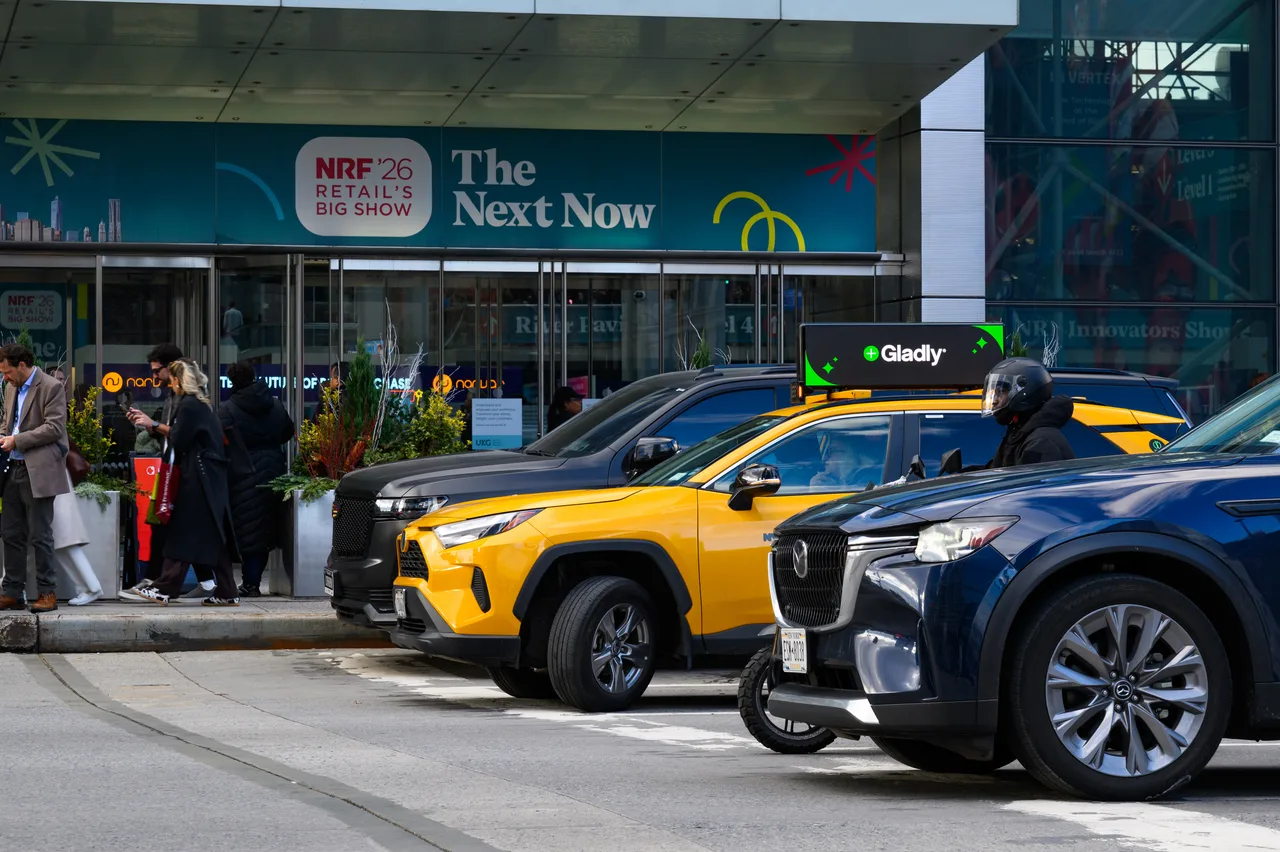
DOOH stands for digital out-of-home: advertising displayed on a screen in a public place rather than printed. It reached 36.3% of US out-of-home revenue in 2025 and grew 10.5% year over year. The screen is the distinction, and not every screen in the category is stationary.
The acronym expands easily and explains little. Digital out-of-home means an out-of-home ad on a screen. What matters is the set of consequences that follow from replacing print with a display, because they change what you buy, how you target and what the audience number means.
What does DOOH actually change?
Four things, all downstream of the same fact: nothing is physically printed and installed.
- The site stops being exclusive. A printed poster owns its space for the booking period. A screen runs a loop, so several advertisers share it and you buy a slot rather than the surface.
- Creative becomes changeable. No production, no installation crew. Copy can change mid-flight, and different creative can run at different hours on the same screen.
- Time becomes a targeting dimension. Dayparting is trivial on a screen and impossible on a poster.
- Booking windows compress. Printed inventory is committed weeks ahead. Digital can be booked close to the flight, which is why planners keep budget in it even on print-led campaigns.
How big is DOOH?
In the US, digital formats accounted for 36.3% of total out-of-home revenue in 2025 and grew 10.5% year over year, according to the Out of Home Advertising Association of America. The category overall grew 3.6% to a record $9.46 billion. Digital is growing at roughly three times the pace of the medium it sits inside.
What counts as DOOH?
The IAB's definition, published December 2024, is the one to use: digital media used for marketing purposes outside the home, delivered on digital screens placed in public and commercial spaces. Its first core feature is "Screens, Not Signs." The same document lists what DOOH is not: ads on personal devices even when the person is outside, static signs even with a QR code on them, in-app advertising, in-store audio, and television watched away from home. Print, wraps and the rest of the category are covered in the guide to out-of-home advertising.
In practice that definition spans four quite different situations, and the published taxonomy only names three of them.
What are the types of DOOH screen?
The first three rows follow the venue categories the IAB definition takes from the OpenOOH taxonomy, the same taxonomy a programmatic bid request uses to describe a screen. The fourth row is this site's addition. Note where the taxonomy puts taxi and rideshare screens: under transit, next to subway stations, which hides the only thing that makes them different.
| Type | What the taxonomy lists | Where the audience is | Does the screen move? | In this archive |
|---|---|---|---|---|
| Outdoor | Digital billboards, urban panels, bus shelters | In traffic or on foot, at distance | No. Fixed structure, fixed coordinate | Large-format fixed digital screens, Las Vegas |
| Place-based | Retail, gyms and salons, offices, point of care, education, leisure venues | Indoors, dwelling | No. Screen belongs to the venue | None in this archive. The archive documents inventory that moves. |
| Transit | Airports, buses, subway and train stations, ferries, and "taxis & rideshare TV and top" | Waiting, boarding, riding | Fixed at stops and stations; aboard a vehicle, yes | In-car screens aimed at the passenger |
| Moving (this site’s addition) | Screens mounted on the outside of vehicles: taxi and rideshare tops, LED trucks | Anywhere the route goes, street level | Yes, the whole time | Most of the archive |
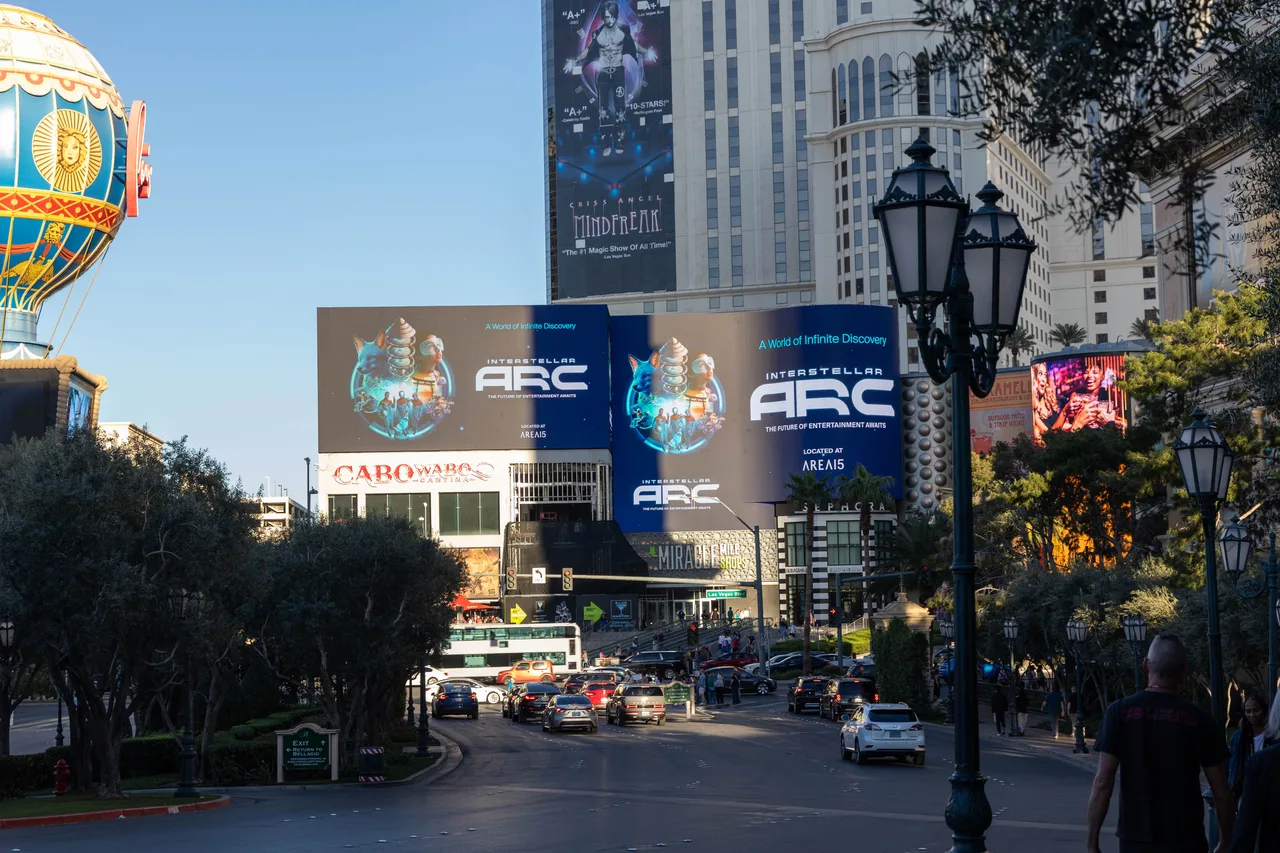
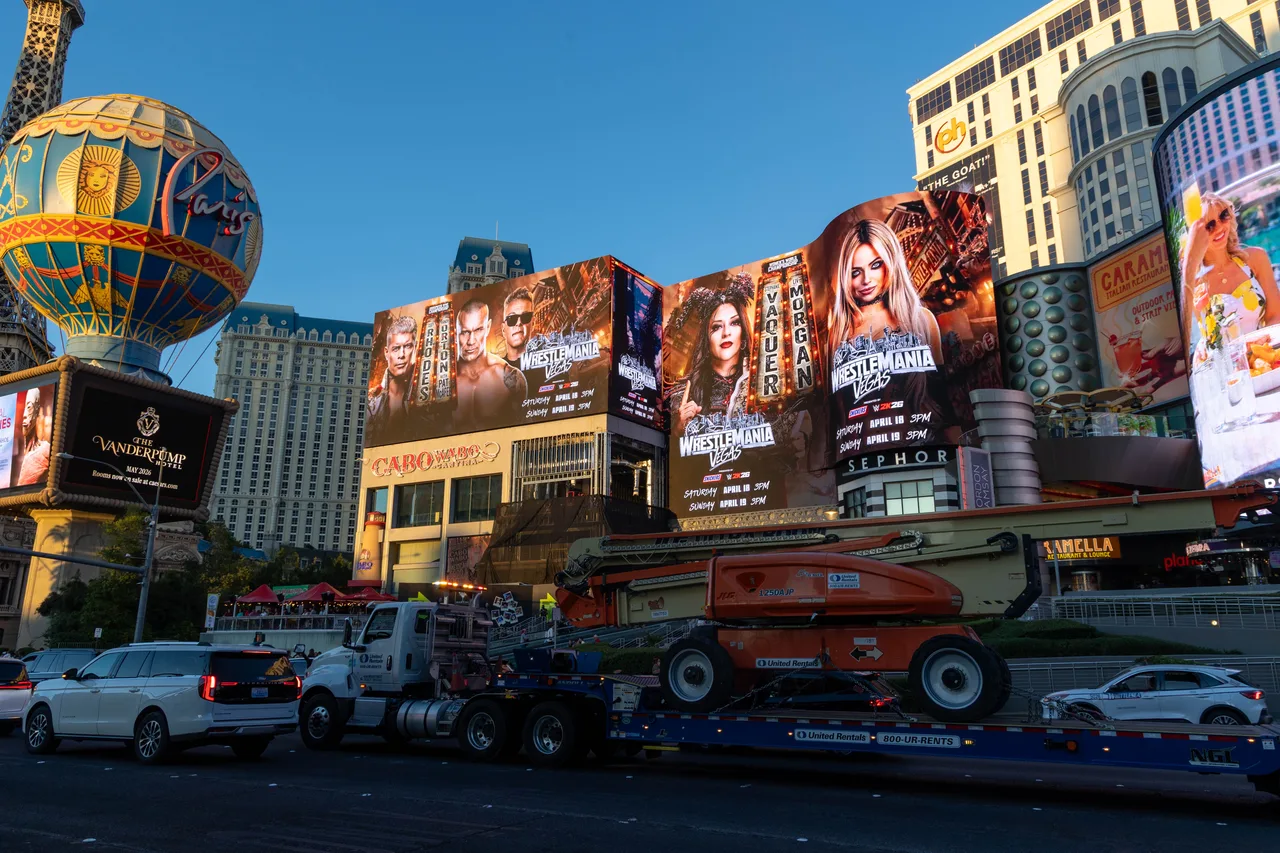
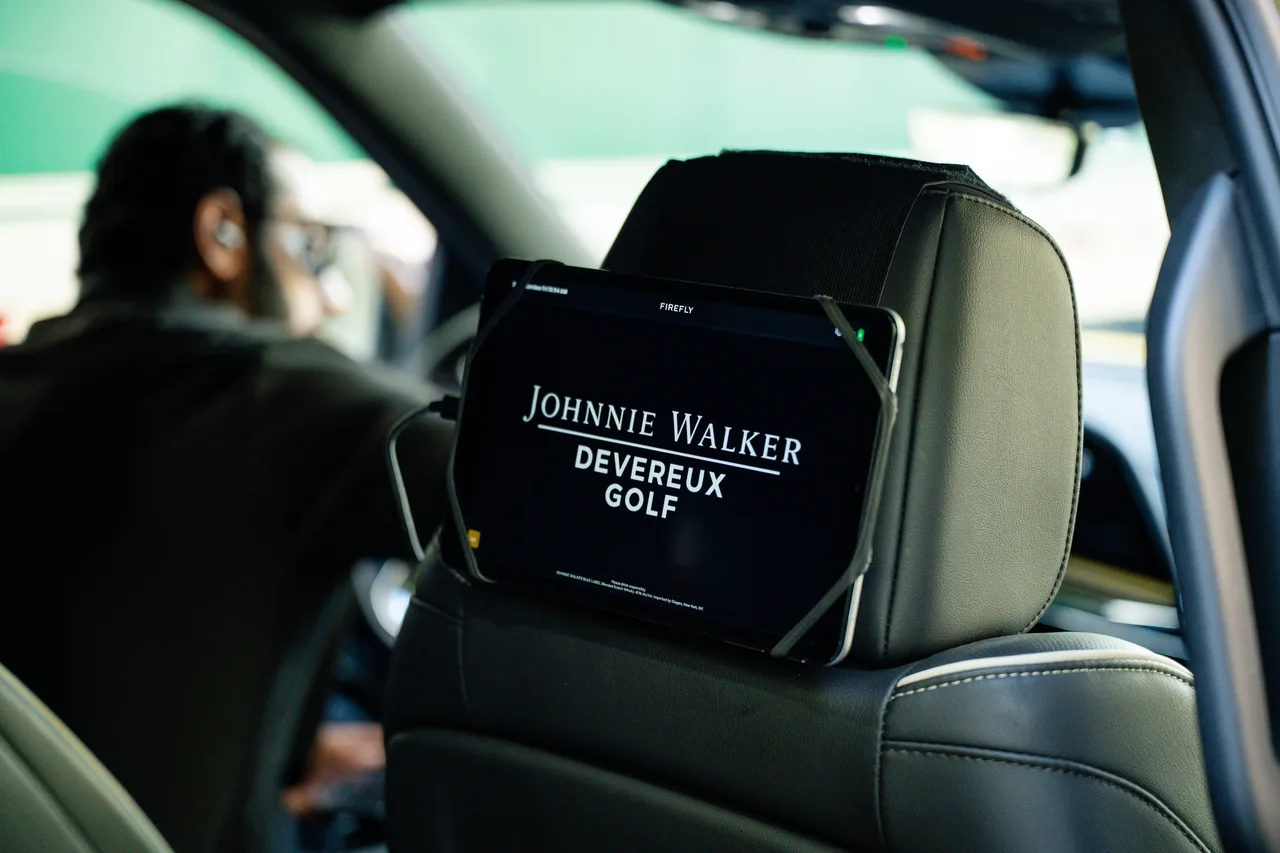
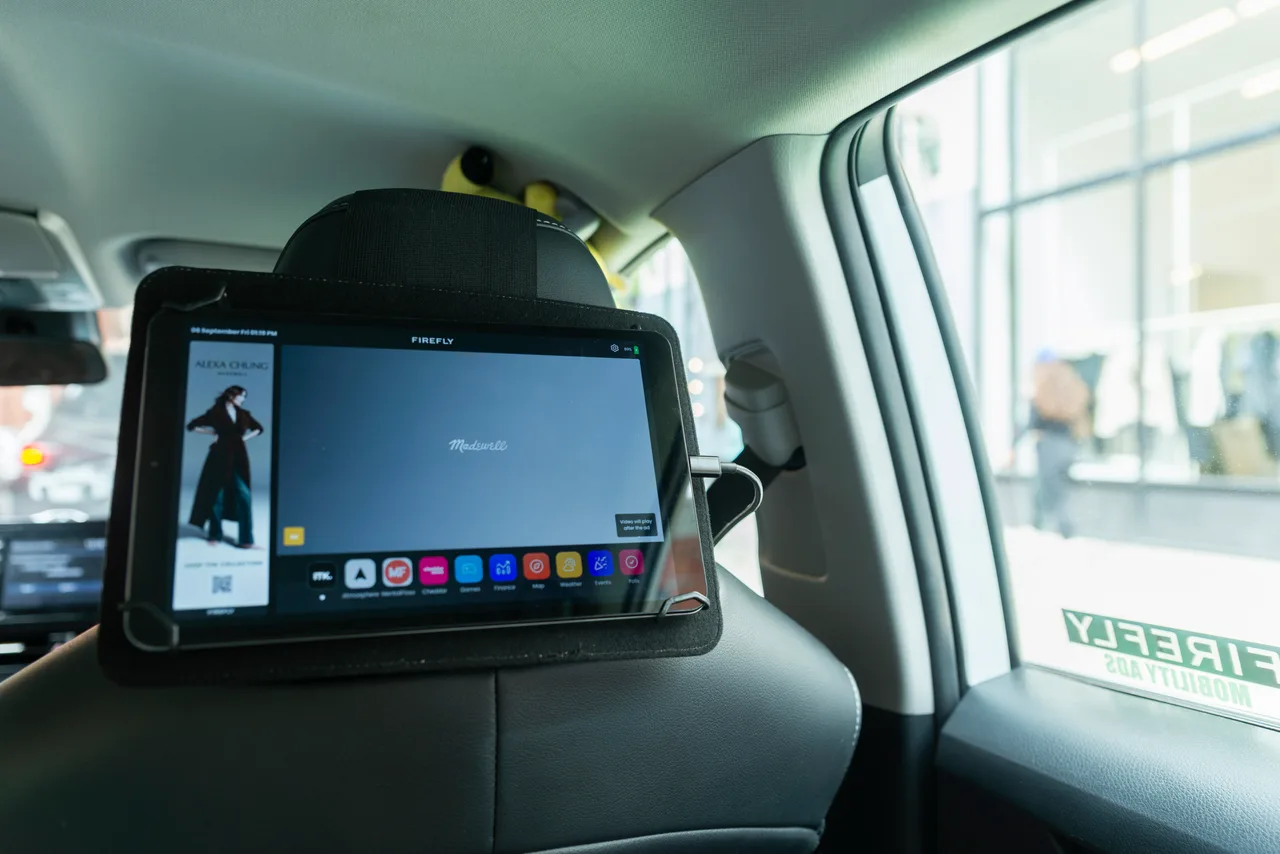
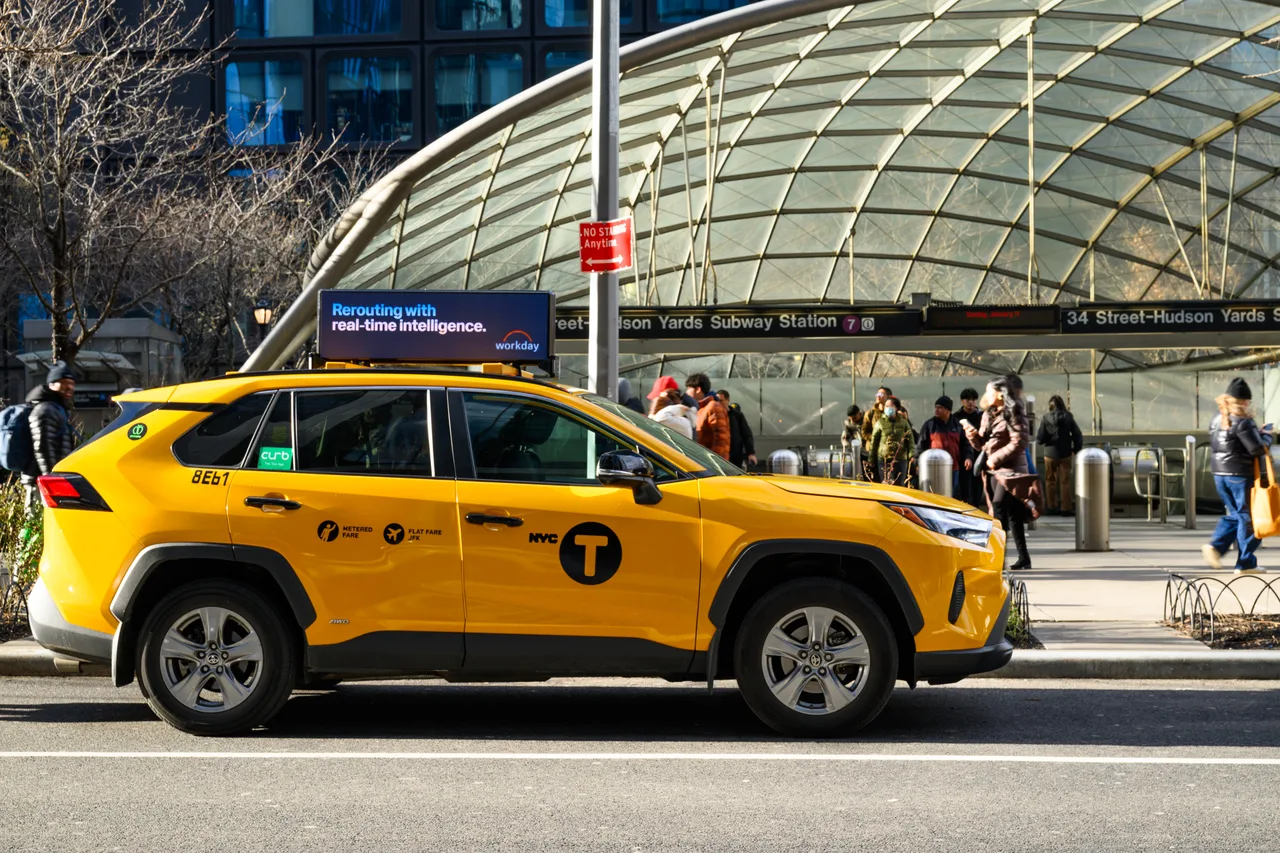
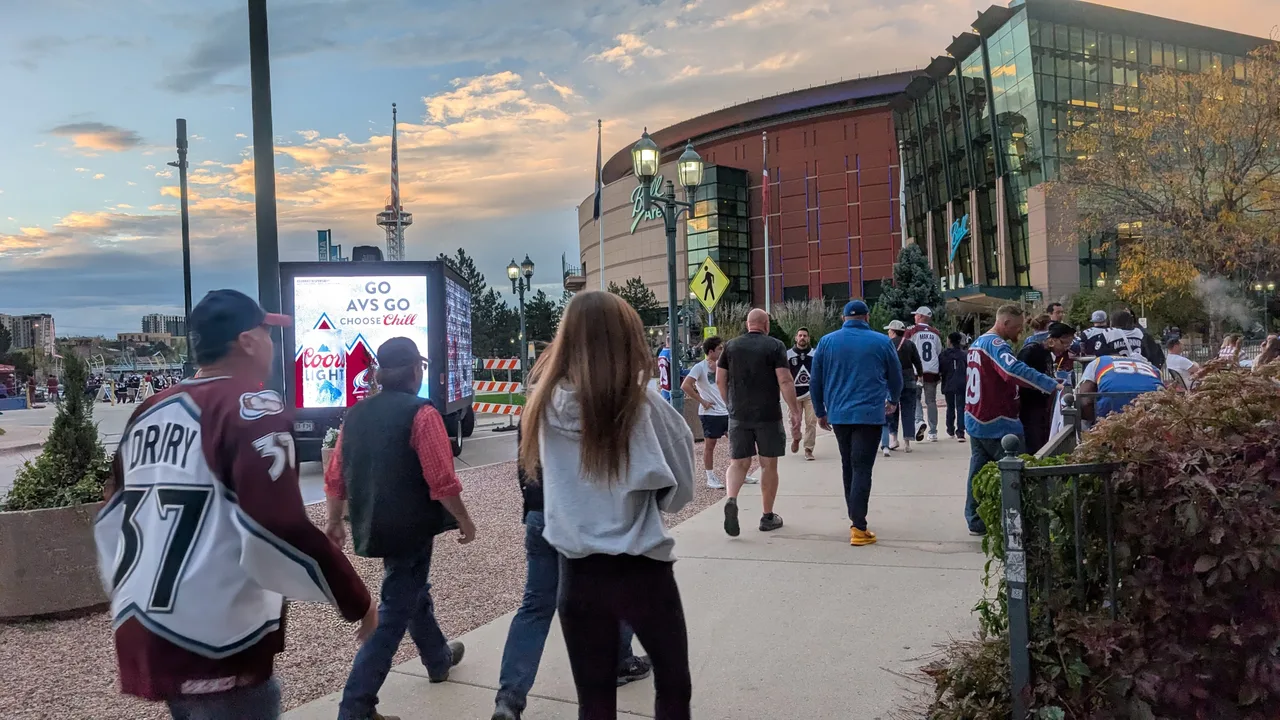
Almost every digital placement photographed for this site sits on a vehicle rather than a structure. The exceptions are a handful of large-format fixed screens in Las Vegas, shown above for contrast, and they are the only frames in the archive that a fixed-panel measurement model describes correctly.
The fourth row is sold by specialists, not by the plants that own the first. In each seller's own words: Firefly sells digital tops on taxis and rideshare vehicles in 15 named markets, plus static tops, wraps, LED trucks and in-car TaxiTV; Blue Line Media resells taxi tops, digital rideshare tops and Taxi TV city by city; Can't Miss US runs LED trucks nationally. None publishes a rate on the page read.
Why does "digital billboard" not cover it?
Because a billboard has a fixed address and a screen on a vehicle does not, and almost every downstream assumption depends on which of those you are dealing with. Geography is set at booking for one and adjustable for the other. Frequency accumulates passively for one and is managed deliberately for the other. Audience estimates are built from a traffic count past a point for one, and cannot be for the other.
Using DOOH and digital billboard interchangeably is how a planner ends up comparing two audience numbers built from incompatible methods. The mechanics are on how out-of-home impressions are measured, and the transit formats that share the problem are on transit advertising. The roadside screen on its own terms, share of loop, spot length, dayparting and the state dwell rules, is on digital billboard advertising.
How is DOOH bought?
Two ways. Direct, where you agree a set of screens and a share of the loop with the owner or operator. And programmatic, where a demand-side platform buys delivery against an audience across many owners and decides which screens serve it. In the programmatic case the OpenRTB 2.6 specification describes the screen with a DOOH object and a venue type, and counts one play as a stated multiple of impressions. Direct gives certainty about locations; programmatic gives targeting and the ability to change delivery mid-flight. Neither is the upgrade; they answer different briefs. See programmatic DOOH explained.
What does DOOH not fix?
A screen does not make an ad legible at highway speed, does not make a bad location good, and does not turn out-of-home into a performance channel with clean attribution. The measurement is still modelled: Geopath defines an impression as the number of people passing a display who are likely to notice the ad, not the number who did. The audience is still passing by, and the creative still has seconds, not minutes. Digital changes the logistics, not the physics.
Where to go next
To see what these formats look like in the field rather than in a mockup, the out-of-home examples page shows photographed placements from ten markets grouped by format, and the campaign archive holds the rest of the 3,783 frames. Who owns and sells the screens, by category and by stated criteria, is on DOOH companies.
Frequently asked questions
- What does DOOH mean?
- DOOH stands for digital out-of-home: advertising shown on a digital screen in a public place. The screen is the whole distinction. Same locations, same audiences as traditional out-of-home, but the ad is displayed rather than printed, so it can change without anyone visiting the site.
- What is the difference between DOOH and OOH?
- OOH is the whole category, including printed billboards, posters and vehicle wraps. DOOH is the digital subset. A printed poster occupies its site exclusively for a booking period; a digital screen runs a loop of several advertisers and can change by hour.
- What are the types of DOOH?
- The IAB and OpenOOH venue taxonomy sorts screens by where they are: outdoor (digital billboards, urban panels, shelters), place-based venues (retail, gyms, offices, clinics, leisure), and transit (airports, stations, buses, taxi and rideshare screens). The one thing that taxonomy does not separate is whether the screen moves, which is why this site adds a fourth type.
- What is an example of a DOOH ad?
- A digital billboard beside a motorway, a screen in a shopping centre, a taxi-top display, a screen on a truck. All four are DOOH. They differ in who sees them and whether the screen stays in one place. Photographs of the last two, from campaigns that ran, are on the out-of-home examples page.
- Is DOOH growing?
- Yes. OAAA reported that digital formats reached 36.3% of total US out-of-home revenue in 2025 and grew 10.5% year over year, against 3.6% growth for the category as a whole, roughly three times the pace.
- What does pDOOH mean?
- pDOOH is programmatic DOOH: buying digital out-of-home through automated platforms against an audience rather than booking named sites directly. The screens are the same; the purchasing mechanism is what changes, and one purchased play counts as many impressions.
- Is a digital billboard the same as DOOH?
- A digital billboard is one kind of DOOH, not all of it. The category also covers place-based screens indoors, transit displays, and screens mounted on vehicles. Treating DOOH as a synonym for digital billboards is the most common mistake in the vocabulary.
- How is DOOH sold?
- Two units. Direct buys are a share of a screen’s loop over a period. Programmatic buys are priced per thousand modelled impressions, where one play on a screen is deemed to deliver a stated number of impressions. Which unit a proposal uses changes what the number in it means. This site does not publish rates.
- What are the benefits of DOOH over printed OOH?
- Creative can change mid-campaign without production or installation, several advertisers can share a site, delivery can be varied by time of day, and booking windows are shorter. The trade-off is that you get a share of attention on the screen rather than exclusive occupancy.
Sources
- Out of Home Advertising Revenue Reaches Record $9.46 Billion · Out of Home Advertising Association of America (OAAA), March 17, 2026
- Digital Out-of-Home (DOOH): Definition and Core Features · IAB, December 2024
- OpenOOH Venue Taxonomy, specification 1.0 · OpenOOH, Accessed September 14, 2026
- OpenRTB 2.6 specification: DOOH and Qty objects · IAB Tech Lab, April 2022, accessed September 14, 2026
- Glossary: out-of-home measurement terminology · Geopath, Accessed September 14, 2026
- On-Car Products: digital tops, static tops, car wraps (360°, 270°, 180°) · Firefly, Accessed September 14, 2026
About the author
Ercan Bozkurt writes the methodology pages on this site: how out-of-home inventory is counted, measured and bought, with a particular interest in screens that move. He works from the primary document in each case, the transit authority's own rulebook, the measurement body's own definitions, the company's own filing, and writes the page so that a media planner can check every figure against it.
Ercan Bozkurt on LinkedIn · Reviewed by Melih Koray, who publishes this site · How this site is edited and what it refuses to publish: about this site.