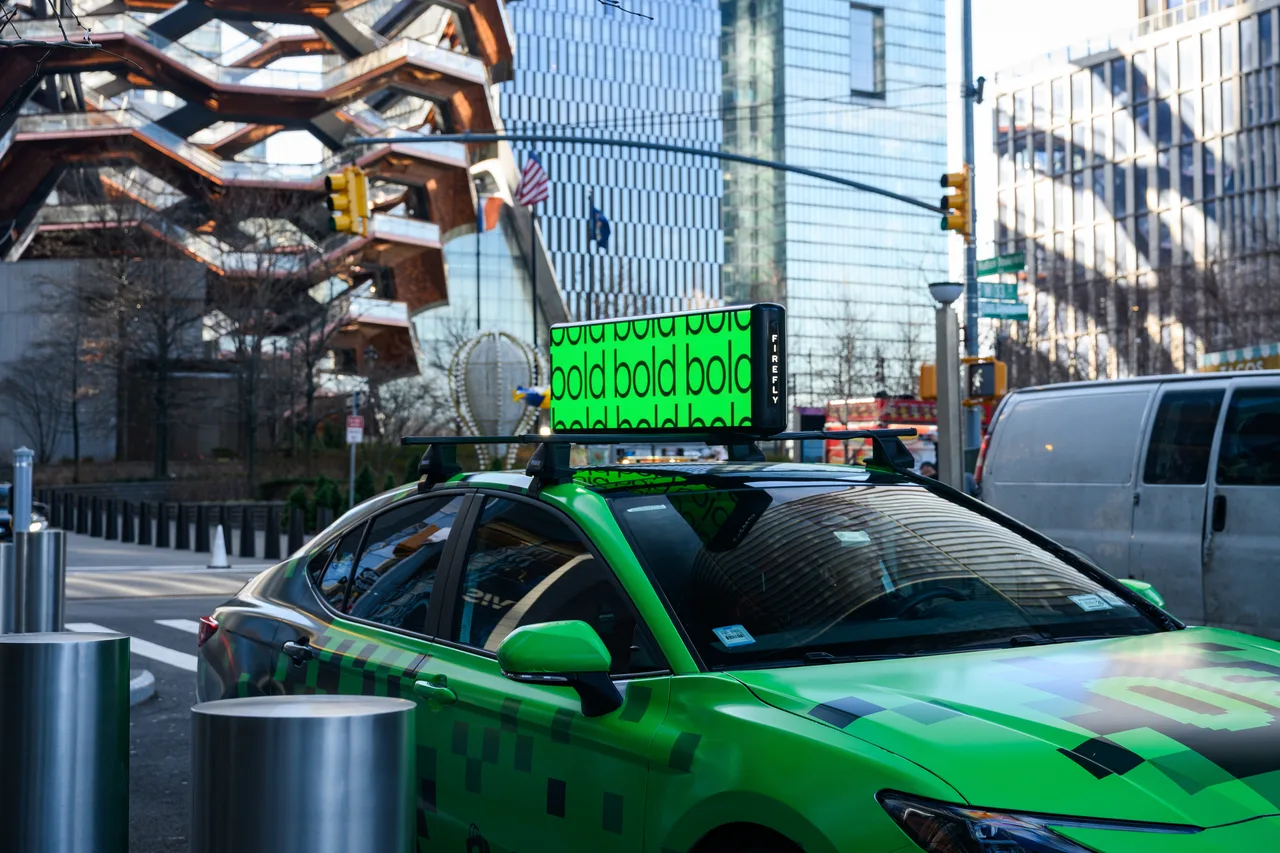
A reference for advertisers and media buyers
The screen passes the audience
Every guide to out-of-home assumes the screen is bolted to a building. A growing share of it drives through the city instead, and almost nothing about planning, targeting or counting works the same way. This is out-of-home explained from that side.
Shopify · New York · Digital screen · 2026
- 21US markets documented
- 12Formats and carriers
- 2020–2026Photographed, not rendered
What moves
Four carriers cover most of it. They differ in who sees them, how long for, and how much of the geography you control.
-
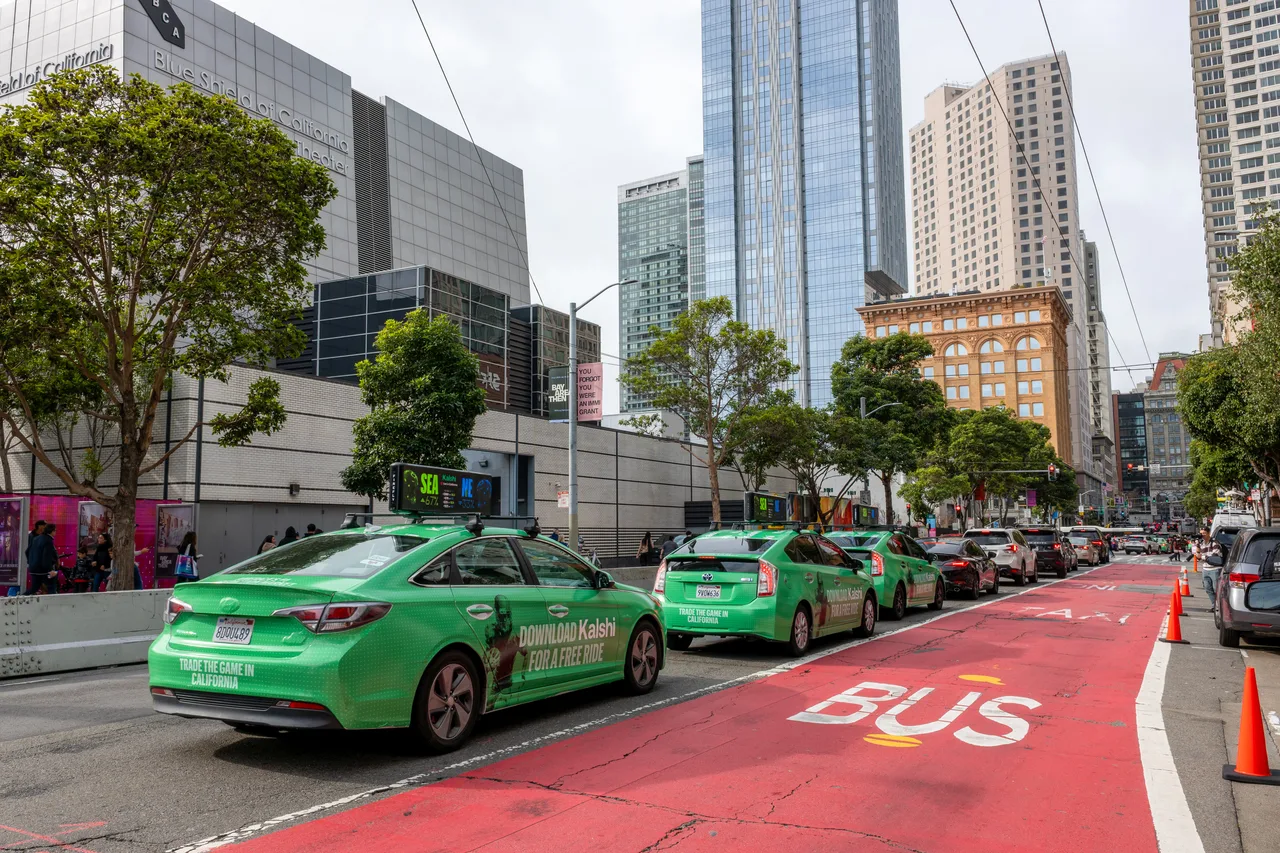
Digital screens on vehicles A screen with a route instead of a postcode. Geography becomes something you set, not something you book. Kalshi · San Francisco · Digital screen · 2026 -
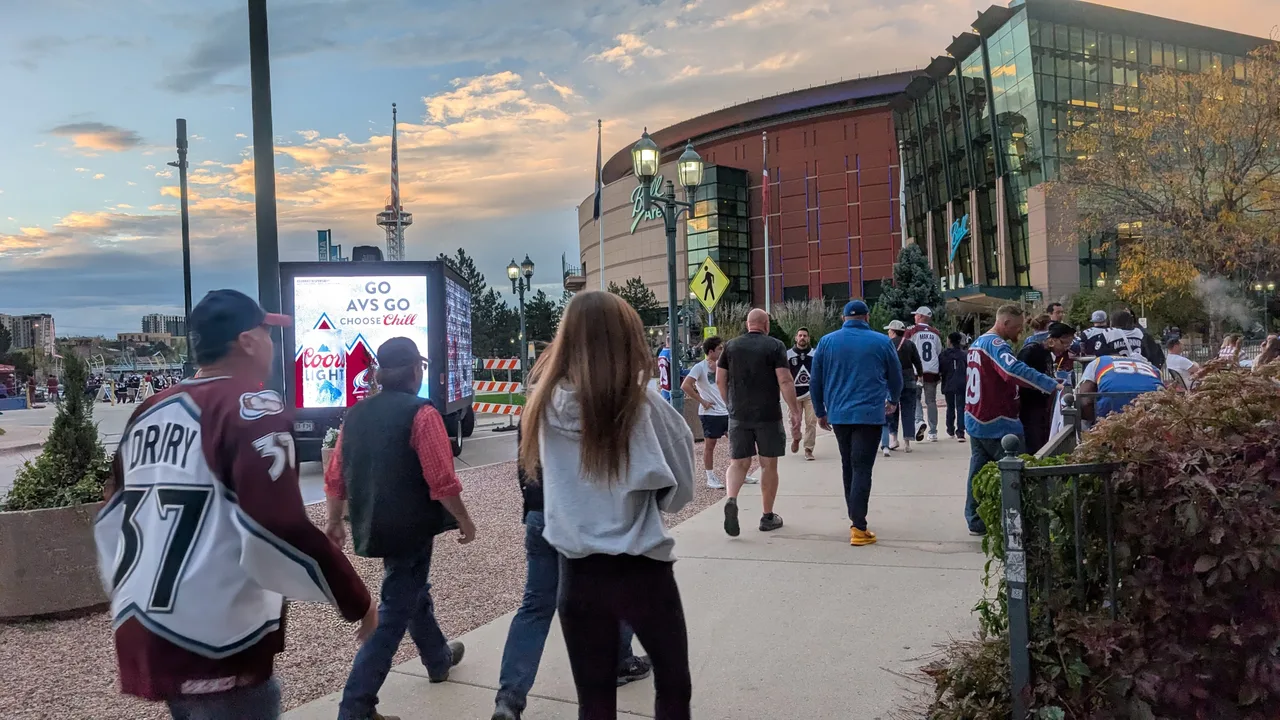
LED trucks The full-size format: a vehicle whose only job is the display it carries. Coors · Denver · LED truck · 2025 -
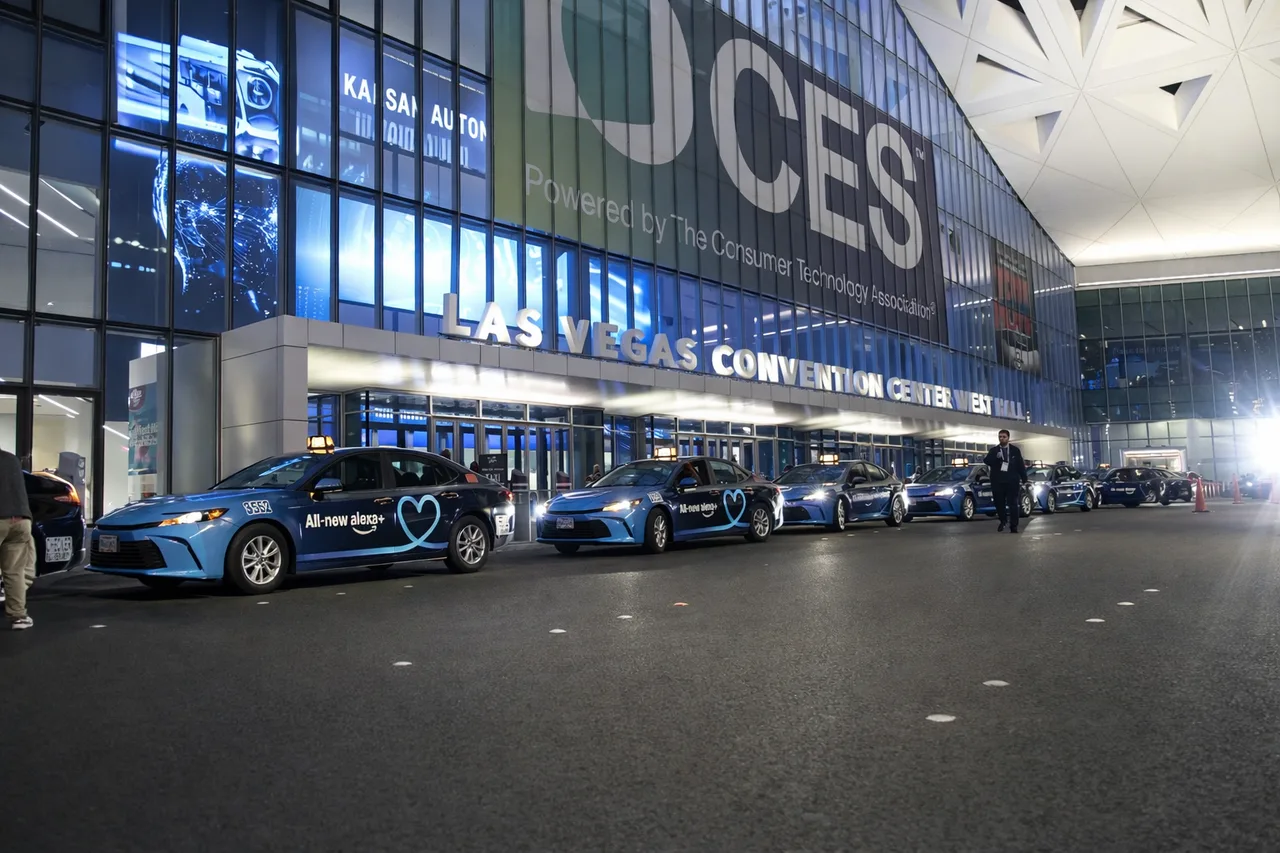
Vehicle wraps No screen at all. The body of the vehicle is the ad surface, and it goes where the fleet goes. Amazon · Las Vegas · Vehicle wrap · 2026 -
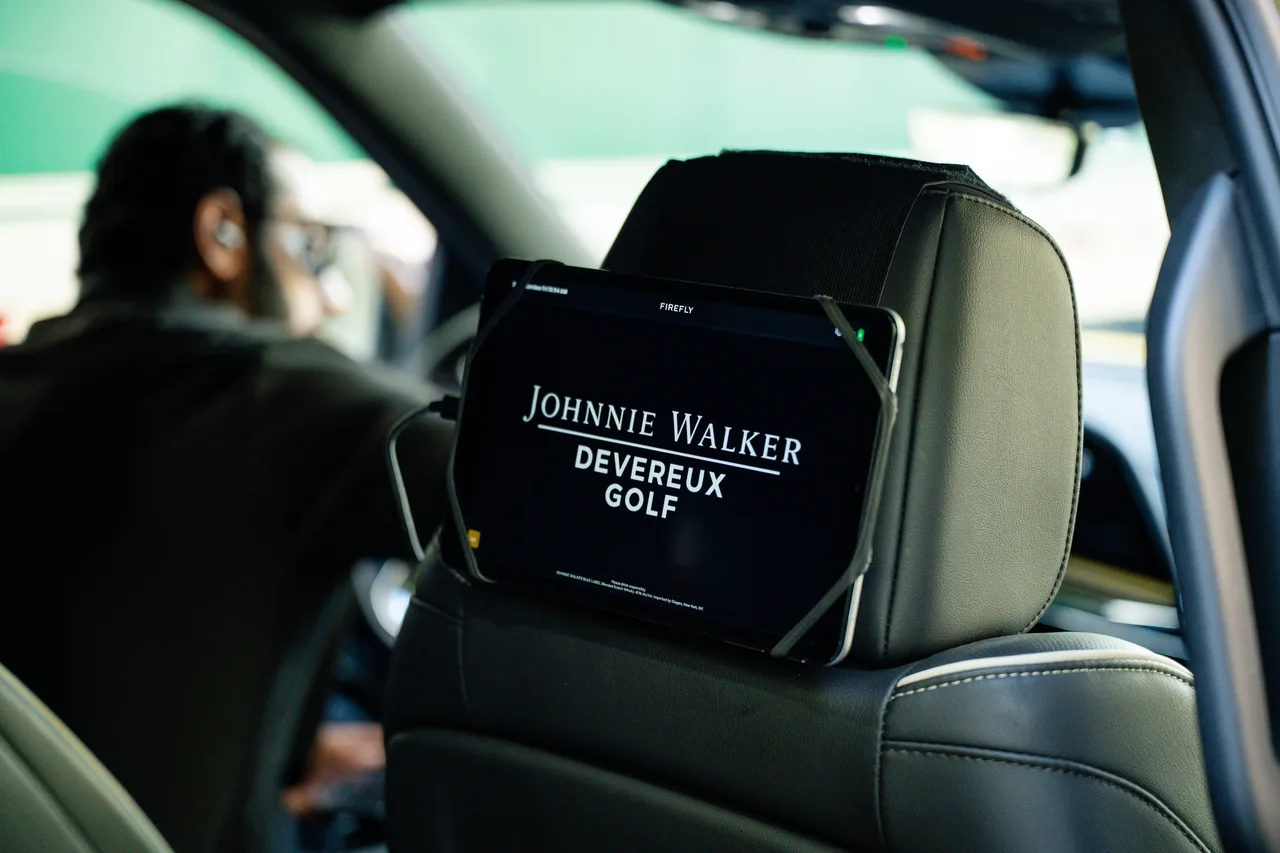
In-car screens Aimed at the passenger rather than the street, which changes both the dwell time and the brief. JohnnieWalker · New York · In-car screen · 2025
Start here
-
 Out-of-home advertising
 The category guide: the formats, the three units they are sold in, and what changes once the surface stops standing still.
- How impressions are measured
Circulation, visibility adjustment, opportunity versus likelihood to see, and the four inputs that break when the screen travels.
-
 Who does what in this market
 Six roles, how the money flows through them, and which layer to actually call. Not a rankings list.
-
 What is DOOH?
 Digital out-of-home defined, and why treating it as a synonym for digital billboards causes most of the confusion.
- Formats that move
Bus, rail, taxi tops, wrapped fleets, mobile billboards, and which authority governs each one in which city.
-
 Location-based advertising
 Geotargeting, geofencing, proximity and out-of-home compared, including the one that needs nothing from the audience.
- Programmatic DOOH
How pDOOH buying works without a cookie or a click, and where it quietly breaks on inventory that moves.
-
 Real campaign examples
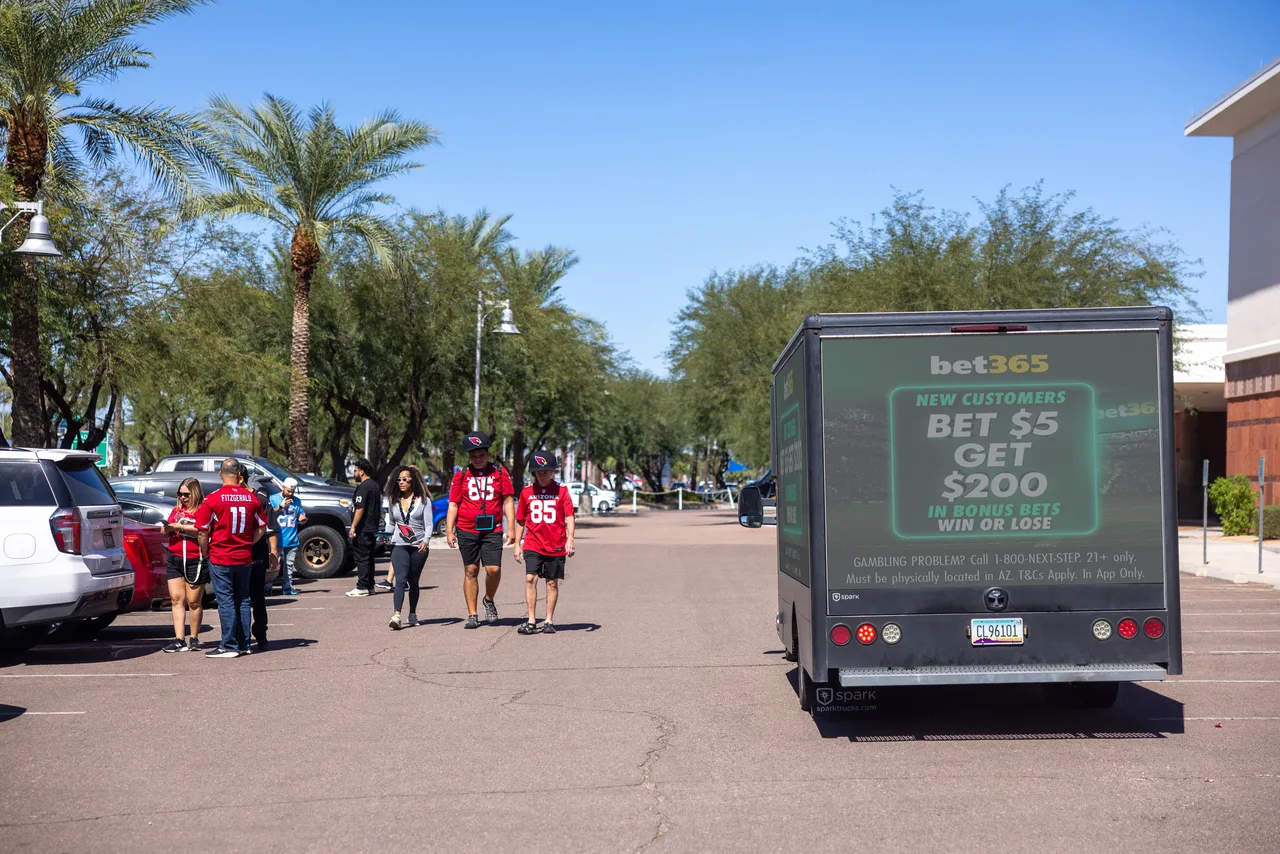
 Eight formats as photographs of placements that ran, rather than artwork composited onto a stock billboard.
-
 Out-of-home statistics, sourced
 US revenue by year and format, DOOH and programmatic share, audience studies with their bases, and the widely repeated figures that could not be verified.
-
 Brand lift study
 How exposure is established for a screen that moves, how control groups are built, and the published OOH benchmarks with who measured each one.
- DOOH companies, by what they own
Twenty-four operators and platforms in five categories, ordered by stated criteria read from their own pages, none of which publishes a rate card.
Market desks
Seven US markets, each written from the seller's own page, the transit authority's own advertising standards and the third-party rate publishers, all read on the date the page states. Each one ends with that market's row of the format and market matrix.
-
Chicago outdoor advertising
Three billboard owners, Intersection on the CTA under Ordinance 026-42, OUTFRONT on Metra, JCDecaux shelters.
-
Los Angeles outdoor advertising
OUTFRONT bus and Intersection rail under Metro, JCDecaux at LAX, and the Metro content policy.
-
San Francisco outdoor advertising
A fixed billboard supply since Proposition G, three transit contracts, and a police code on advertising vehicles.
-
Miami outdoor advertising
OUTFRONT on Miami-Dade transit and shelters, JCDecaux at MIA, and the county sign code.
-
Houston outdoor advertising
A billboard plant with no new permits since the 1980 sign code, and a transit authority that sells no advertising.
-
Atlanta outdoor advertising
Intersection on MARTA under a policy that bans all alcohol creative, and billboards confined to industrial districts.
-
Austin outdoor advertising
CapMetro bus and rail under a January 2026 award, the airport, and a citywide off-premise sign prohibition.
Why the photographs matter
Out-of-home has a proof problem. Almost everything published about formats is illustrated with composites: artwork dropped onto a stock photo of an empty billboard, shot in perfect light with no traffic in the way. Renders show a design. They do not show whether a format works.
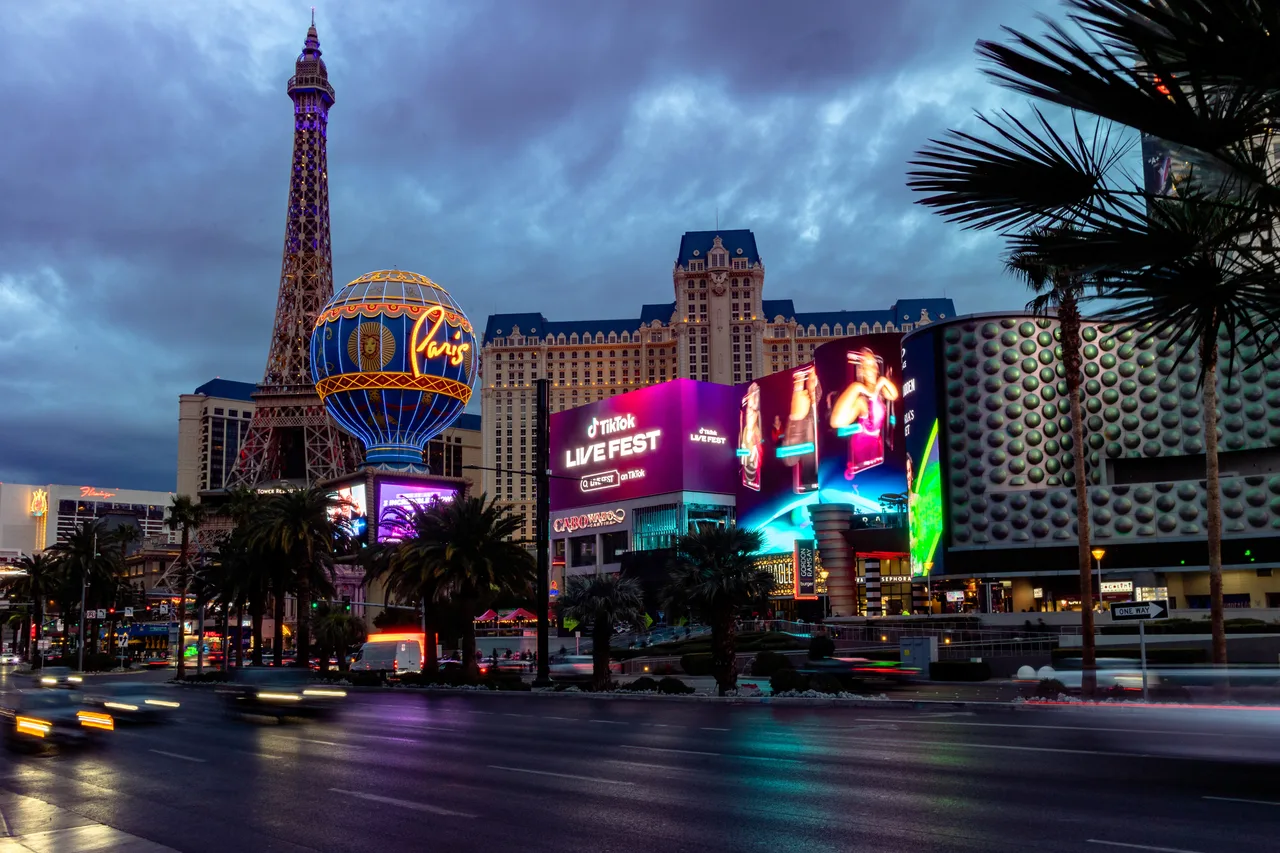
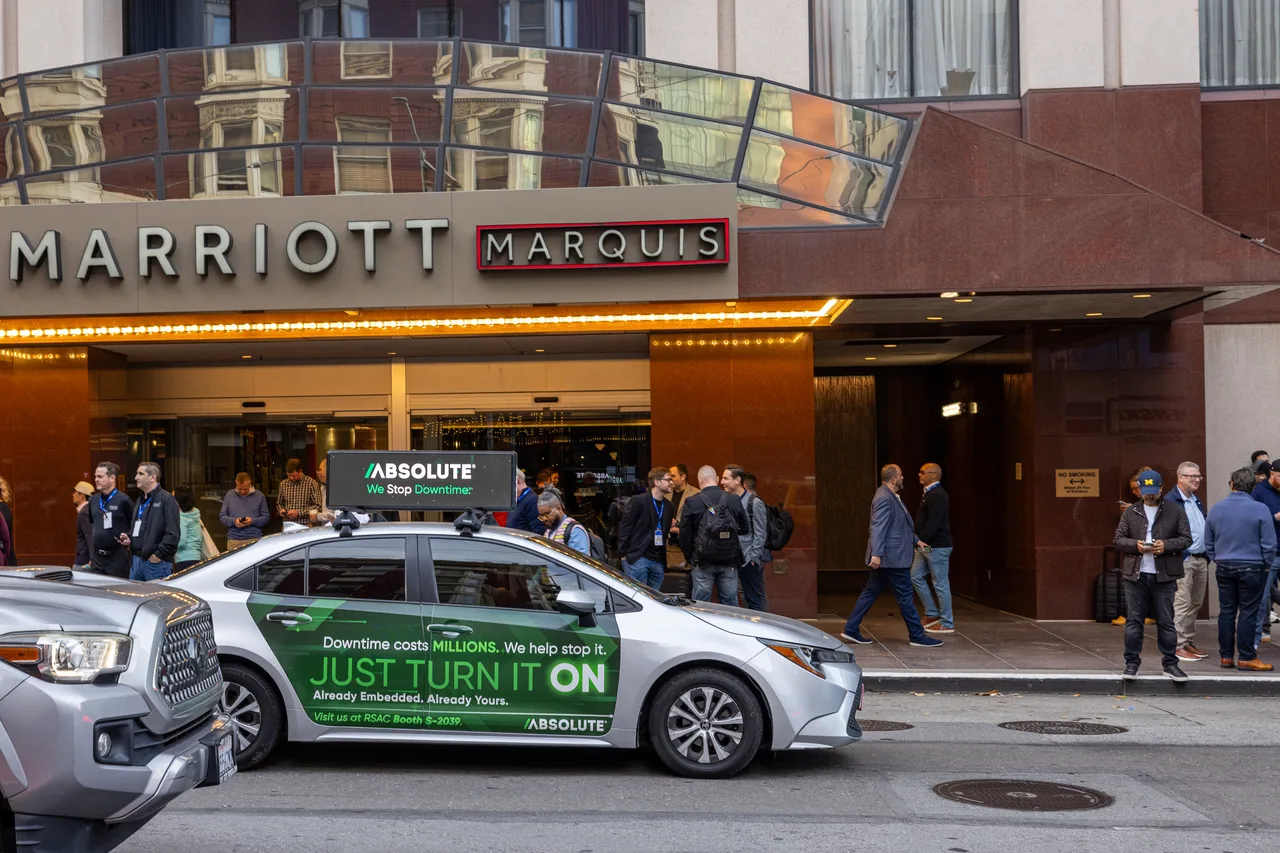
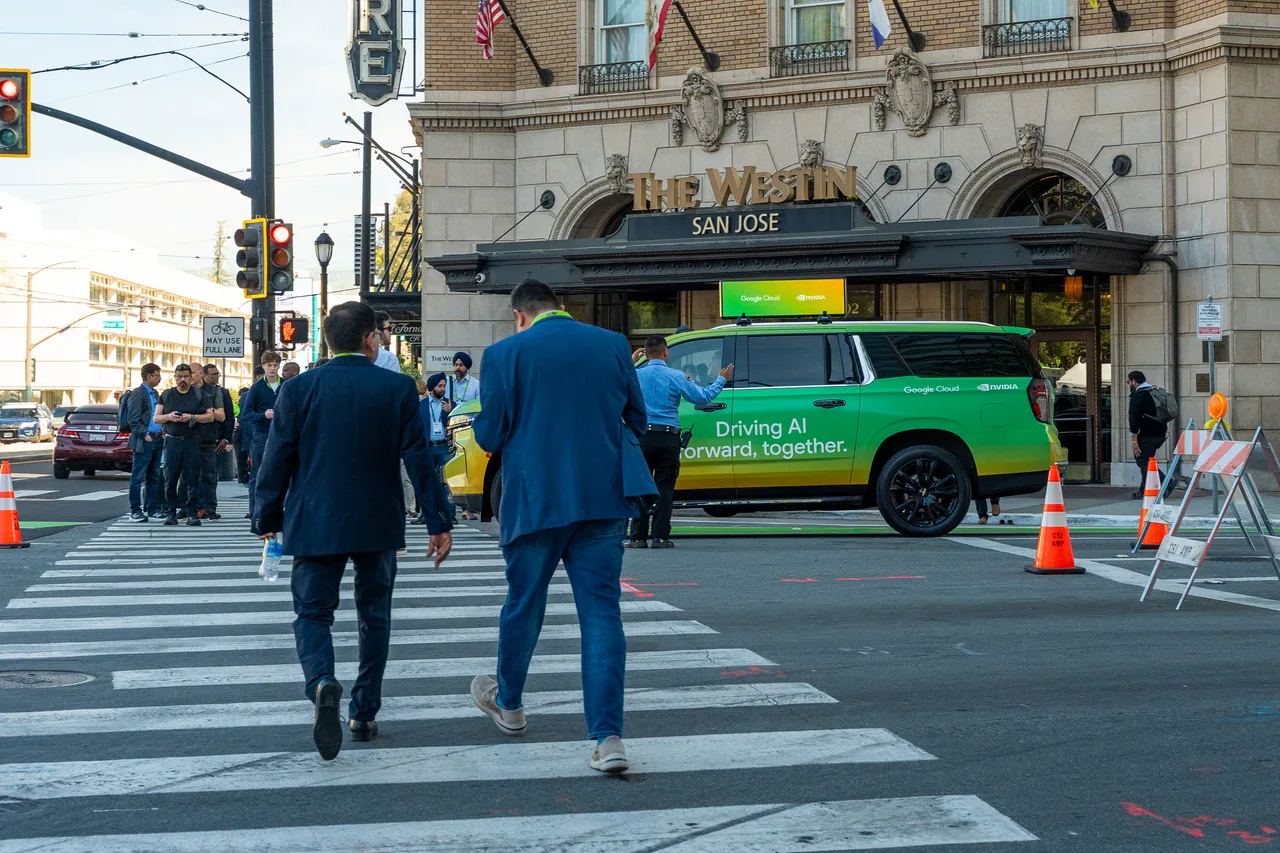
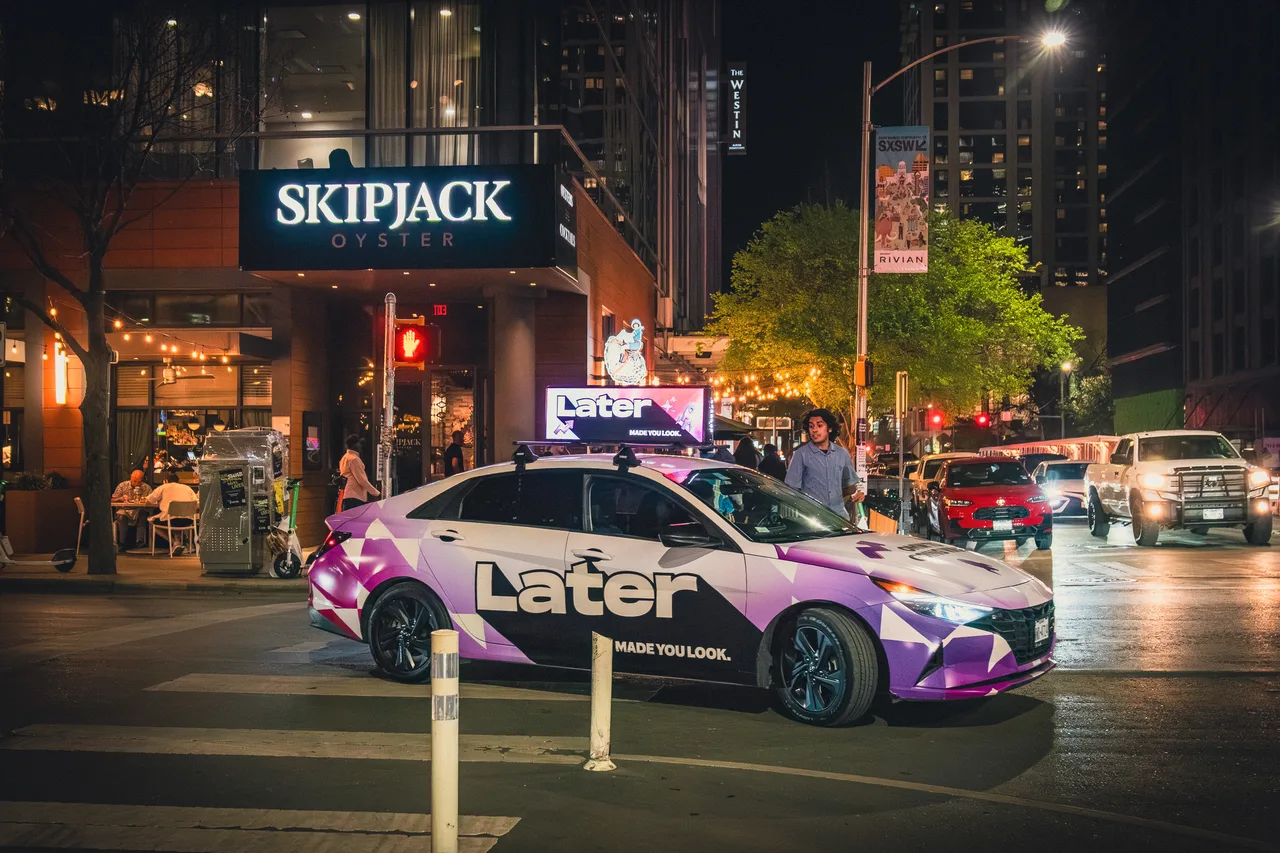
Every image on this site is a photograph of a placement that ran, dated and attributed to the brand and the market. Below is a sample; the archive groups more of them by surface and carrier.
-
MiracleMile · Las Vegas · Digital screen · 2026 -
Kalshi · San Francisco · Digital screen · 2026 -
Google · San Jose · Digital screen · 2026 -
Shopify · New York · Digital screen · 2026 -
Coors · Denver · LED truck · 2025 -
UBEREATS · Los Angeles · LED truck · 2025 -
Amazon · Las Vegas · Vehicle wrap · 2026 -
Kalshi · San Francisco · Digital screen · 2026 -
Google · San Jose · Digital screen · 2026 -
JohnnieWalker · New York · In-car screen · 2025 -

later.com · Austin · Pedicab · 2026 -
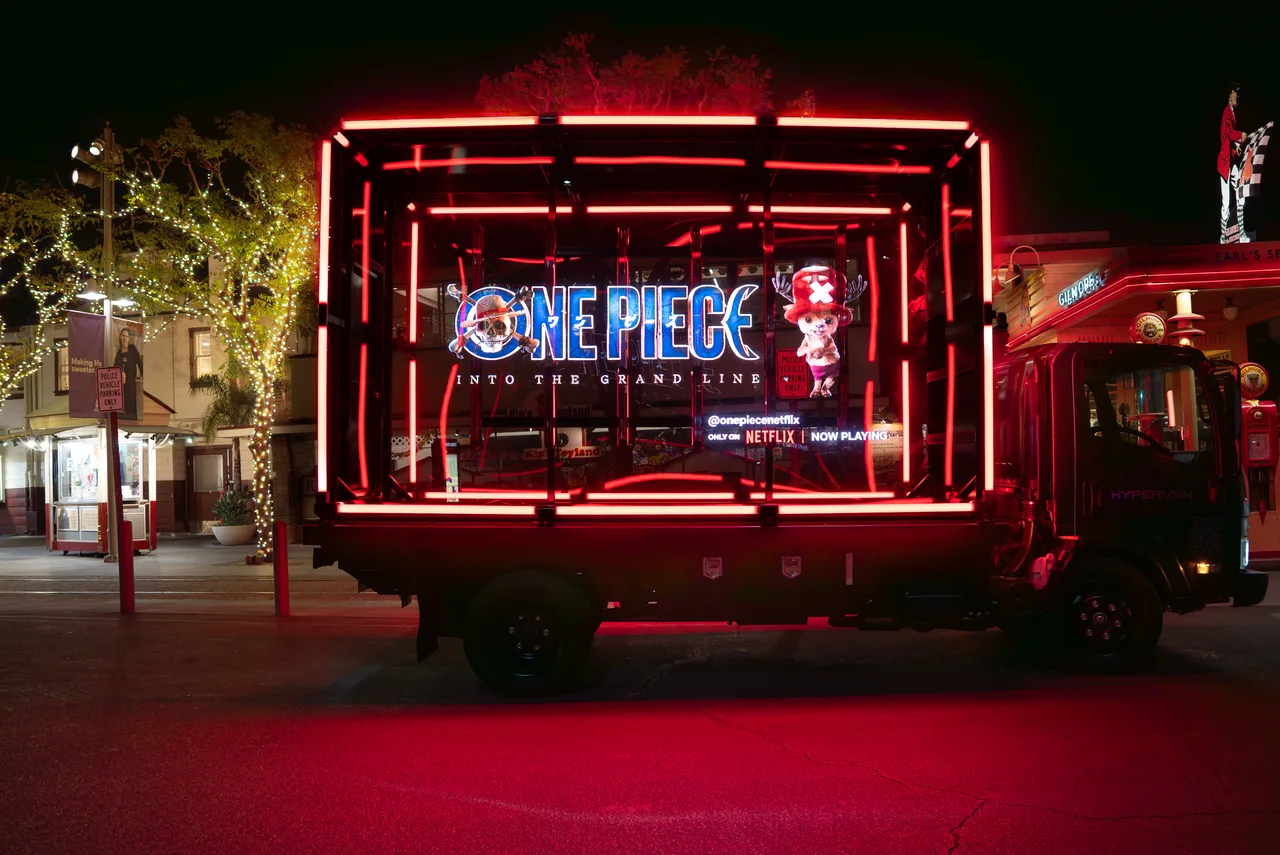
NetflixOnePiece · Los Angeles · Hologram truck · 2026
Who publishes this
This site is published and edited by Melih Koray. The editor is employed by Firefly, which sells moving-screen and taxi-top media, is ranked in some vendor tables here and supplied the archive photographs; a brief sent through the form may be forwarded to Firefly, and every link to it is tagged sponsored. That is a commercial interest worth knowing about before you weigh anything written here. Every statistic carries a named source and a date; where the industry has no reliable figure, the page says so instead of estimating one. No figure on this site is any operator's rate.
Where cost comes up, the figures are third-party published ranges with the publisher and the date they were read, and they are not quotes. Where vendors are ordered, the criteria are stated on the page. There is nothing here about earning money by putting ads on your own car. More on how this is edited, and what it leaves out, in about.
Working on a campaign?
Tell us the market and the timing. A person reads these.