Bus advertising: who sells it, what the units are, and what each authority allows
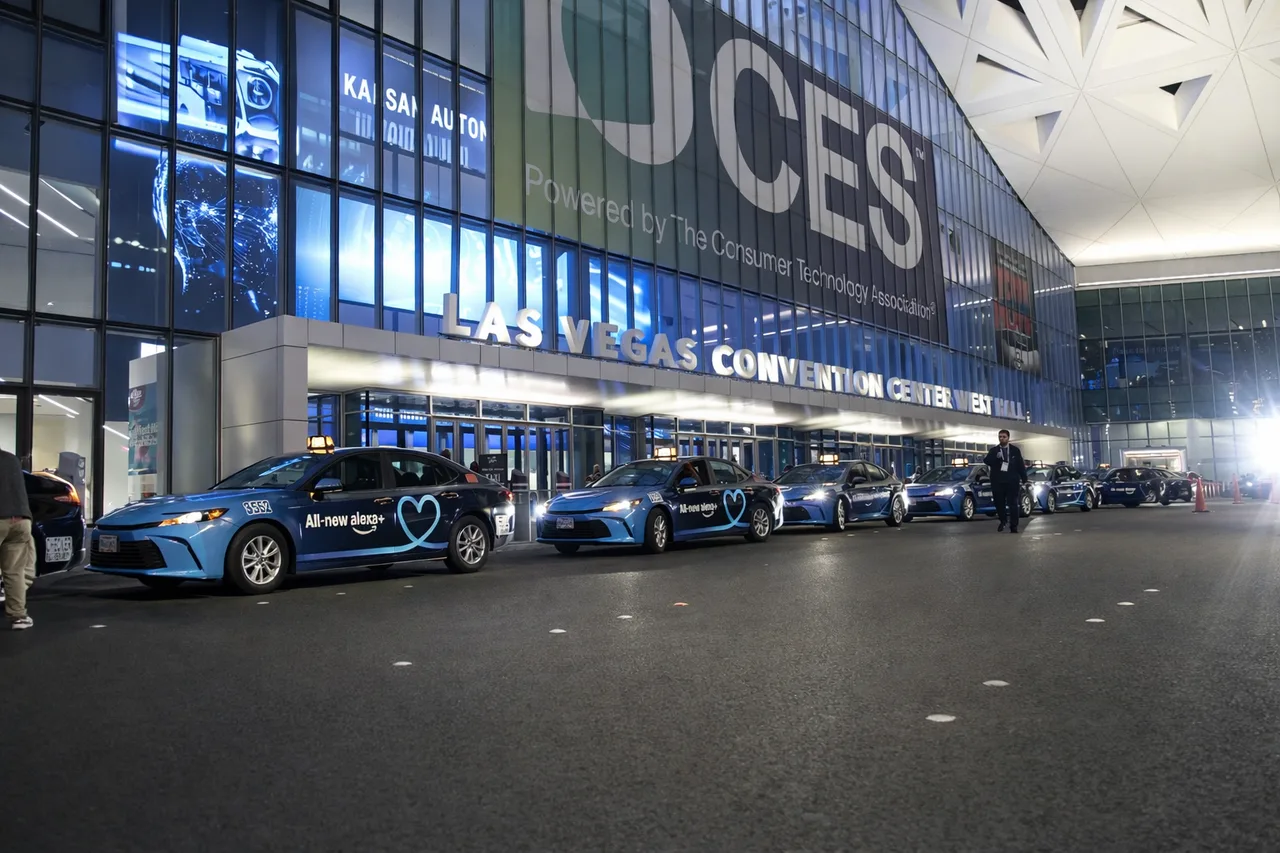
Bus advertising is bought from the transit authority's concessionaire, not from the authority, and the bus, the shelter it stops at and the bench beside it are often three vendors under three rule sets. The one national unit is the 30 by 144 inch King; Tail and Queen sizes, full wraps and window coverage are decided system by system.
Bus advertising is the largest transit format by display count and the least standardised. The Out of Home Advertising Association of America counted 600,000 bus displays and 88,000 bus shelters in the United States at the end of 2025, against 50,000 static rail and subway displays, and transit was the fastest-growing segment of a $9.46 billion category for the second year running. What makes the bus different from its rail sibling is not the numbers. It is that the vehicle, the shelter it stops at and the street furniture beside it can belong to three public owners, be sold by three companies, and answer to three sets of rules on the same block. This page maps those layers for the largest US systems, lists the dimensions that are actually published, and shows where the rules on wraps and windows diverge.
Who sells bus advertising in each city?
The concessionaire. A transit authority awards a licence, usually for a decade, with a minimum guarantee paid to the authority, and the licensee sells, prints and installs. The shelter is usually a separate business: in New York it belongs to the city rather than the MTA, and in Boston and San Francisco it is sold by a different company from the buses. Every row below was read on the authority's own page or a document it published.
| City | Who sells the bus | Who sells the shelter, or the split | What the record says |
|---|---|---|---|
| New York | OUTFRONT Media, under the MTA transit franchise | JCDecaux, under a street furniture franchise with NYC DOT, not the MTA | Bus and shelter are two franchises with two public owners. |
| Los Angeles | OUTFRONT Media: 10-year licence, $262,250,000 aggregate minimum guarantee to Metro (contract PS41099B) | Metro rail went to Intersection under a separate 10-year licence ($42,902,200 guarantee); Metro's production specs list two shelter vendors, OUTFRONT and Clear Channel, with two panel sizes | Board file 2017-0718, final action January 25, 2018, awarded bus and rail to different vendors on the same day. |
| Chicago | Intersection (CTA), formats listed by the authority: Queens, Kings, Ultra Super Kings, Full Wraps, Headliners, Headlights, Taillights, Fullbacks | Not part of the CTA concession | CTA advertising policy is Ordinance 026-42, passed April 8, 2026. |
| Washington, DC | OUTFRONT Media: "sides, backs, and interiors of buses" (WMATA), concession CCSCM233490 awarded April 8, 2024 | Outside the WMATA award | WMATA publishes its award list; the concession is listed as revenue generating with no dollar figure. |
| Boston | OUTFRONT Media on vehicles and stations | Intersection on bus shelters and street furniture, seven-year contract from February 1, 2021 | Same authority, two vendors, and, as the standards section shows, two alcohol rules. |
| San Francisco | Intersection on Muni buses, light rail and cable cars | Clear Channel Outdoor on more than 1,200 transit shelters and sales kiosks, agreement amended October 2022 with guarantees scheduled through the first half of FY28 | Shelter title passes to the SFMTA at the end of the term. |
| Philadelphia | Intersection (SEPTA): "car cards to full wraps" | Not part of the SEPTA concession | SEPTA advertising standards designate a non-public forum. |
| Atlanta | Intersection (MARTA): full or partial exterior wraps, interior cards | Not part of the MARTA concession | MARTA lists formats but no dimensions. |
| Seattle | Intersection (King County Metro) | Not part of the Metro concession | Transit advertising policy signed February 9, 2021; nonpublic forum. |
| Portland | Intersection (TriMet), including MAX wraps, bus wraps and shelters | Listed by TriMet alongside vehicles | One of the few systems where vehicle and shelter share a partner. |
| Denver | RTD: open solicitation for a new on-vehicle contractor announced October 29, 2025 | Not stated | The window rule changed before the vendor did. |
Los Angeles is the clearest case. On one board file on January 25, 2018, Metro awarded the bus system to OUTFRONT Media for ten years with a $262,250,000 minimum guarantee, and the rail system to Intersection for ten years with a $42,902,200 guarantee. A brief that says "LA Metro" is two vendors. Boston splits by asset, San Francisco splits vehicle from shelter, and in New York the shelters are not an MTA asset at all: they belong to the city and are franchised by NYC DOT to JCDecaux, while the buses are sold by OUTFRONT Media under the MTA franchise.
Intersection's 2022 national kit lists bus media in eleven markets: Atlanta, Austin, Chicago, Dallas, Minneapolis, New Jersey, Philadelphia, Pittsburgh, Portland, San Francisco and Seattle. OUTFRONT Media holds the other large systems in the table. Between them the two companies sell most of the country's transit buses, which is why a national bus plan is usually two conversations rather than twenty.
What are the bus advertising formats and their published sizes?
One exterior unit is standard nationally, the King at 30 inches by 144 inches. Almost everything else is published as "varies by market", and the publishers who print a single Queen or Tail size disagree with each other. Build to the sheet the concessionaire sends for the fleet you bought.
| Unit | Published size | Live area and notes | Where it is published |
|---|---|---|---|
| King (exterior side) | 30" H × 144" W | LA Metro: 27" × 141" live area, 0.125" bleed | Intersection national kit; LA Metro production specs |
| Tail (rear) | 72" W × 21" H at LA Metro; "size varies by market" in the national kit | LA Metro: 65" × 15" live area, no bleed, one template trimmed per bus type | LA Metro production specs; Intersection national kit |
| Queen (smaller side panel) | No national size. Intersection: "size vary by market". Roanoke's Valley Metro publishes 30" × 108"; AdQuick lists 30" × 88" as typical | Ask the system | Intersection national kit; Valley Metro (Roanoke); AdQuick |
| Headlight / Headliner | "Sizes vary by market" | Ask the system | Intersection national kit |
| Mega King | 37.25" H × 514" W | Published for rail in the kit | Intersection national kit |
| Ultra Super King, Fullback, Full Wrap | Custom install, no published dimension | Vehicle-specific template from the vendor | Intersection national kit |
| Interior bus card | 11" H × 28" W | Standard across systems | Intersection national kit |
| Bus shelter panel | 68.5" H × 47.5" W (Intersection); 48" W × 70" H (OUTFRONT, Los Angeles); 48" W × 69" H (Clear Channel, Los Angeles) | Differs by vendor within one city | Intersection national kit; LA Metro production specs |
Two things to take from the table. Trim and live area are not the same: on a Los Angeles King, 3 inches of the 30 and 3 of the 144 are outside the live area, and a Tail's live area is 65 by 15 inside a 72 by 21 panel because one template is trimmed to fit each bus type. And the Queen has no national size at all: Intersection's kit says "size vary by market", a small Virginia system publishes 30 by 108, a marketplace publishes 30 by 88 as typical. A creative built to a "standard Queen" will be wrong somewhere.
Shelters follow the same pattern one level down. Intersection's kit specifies a 68.5 by 47.5 inch panel. Los Angeles Metro's own production specs list two shelter vendors in the county with two sizes, 48 by 70 for OUTFRONT and 48 by 69 for Clear Channel. JCDecaux's New York page publishes counts, 2,800 or more locations, 525 digital screens and 5,160 or more backlit panels, and no dimensions.
Are full bus wraps allowed, and can they cover the windows?
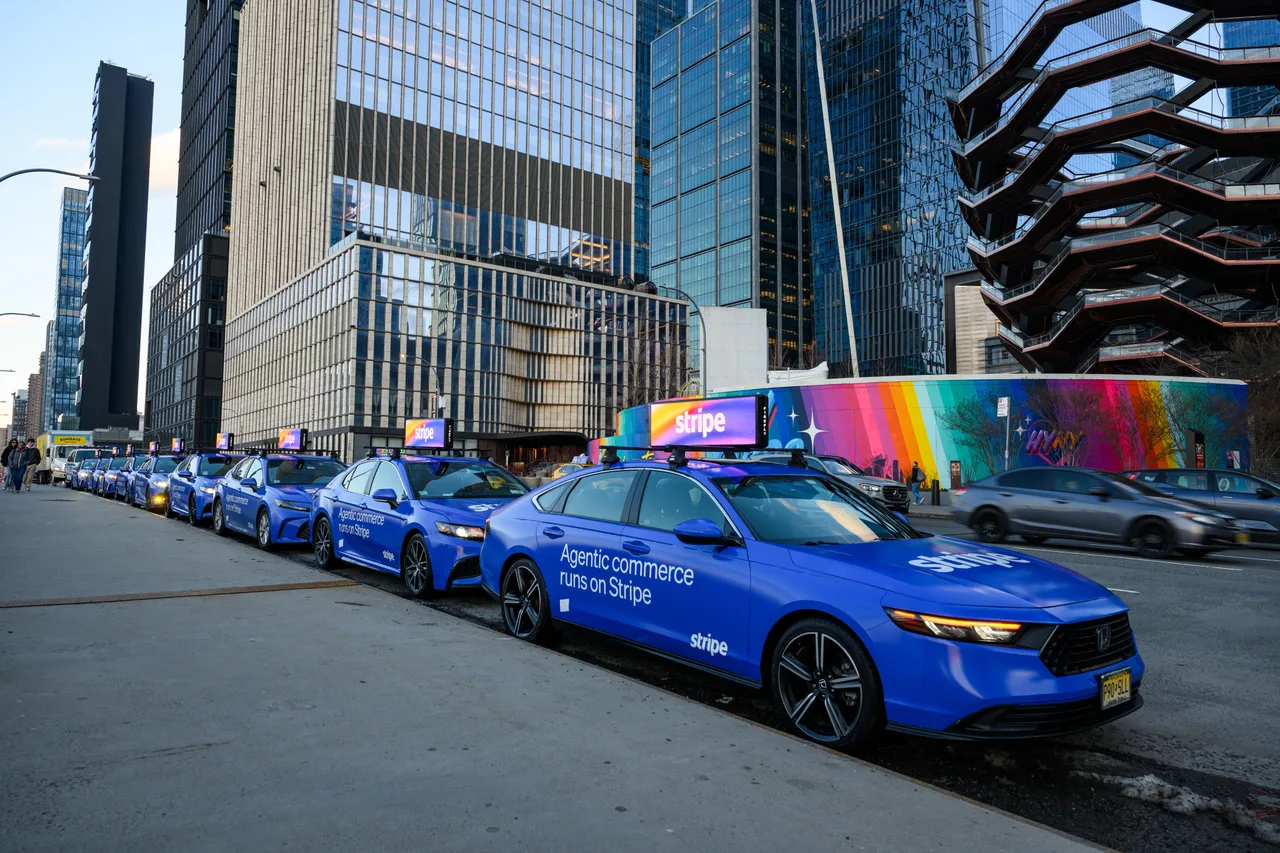
Full wraps are sold on most large systems, and the window question is decided by the authority, not the vendor. The industry method is perforated film that reads as solid from outside and as a screen from inside; whether it may be applied, and to which windows, is written into each system's policy or wrap specification, and it changes. Denver rewrote its rule in October 2025. This is the format-by-regulator table for buses, the counterpart of the national one on transit advertising.
| What is decided | Who decides it | A published example |
|---|---|---|
| Whether a wrap may cover windows | The transit authority board | Denver RTD voted 9-4 on October 28, 2025 to prohibit advertising on bus and train windows for agreements entered after January 1, 2026. Before the vote its guidelines already barred the front of the vehicle and the driver-side windows. 493 buses carried window coverage at the time. |
| Which windows a full wrap may not touch | The authority's wrap specification | Franklin Regional Transit Authority (Massachusetts): the windshield and the side windows immediately left and right of the driver stay clear; all other windows may be covered with translucent material. |
| How many wraps may carry a category | Authority advertising policy | CTA Ordinance 026-42: no more than 75 exterior bus wraps may carry alcohol advertising at any one time, and no more than 9.99% of total advertising space. |
| Whether a category is allowed on the bus but not the shelter, or the reverse | Authority guidelines, which list assets one by one | MBTA guidelines (amended October 31, 2022) allow alcohol advertising in rail stations, bus shelters and on billboards, and on up to 15 train wraps. Buses are not on the list. |
| What may be said at all | Forum designation in the policy | CTA, SEPTA and King County Metro each designate their advertising space a non-public forum and exclude political and issue advertising. |
| Who owns the shelter the bus stops at | A city street-furniture franchise, not the transit authority | New York: JCDecaux under a franchise with NYC DOT. San Francisco: Clear Channel Outdoor under an SFMTA agreement. Boston: Intersection for the MBTA, with municipality-owned shelters outside it. |
The Denver decision puts a number on what a window rule is worth. RTD reported that between April and September 2025, wraps with some window coverage produced about $786,000 in gross advertising revenue, 42% of the on-vehicle total for the period. The board removed that inventory from future agreements anyway. A plan that assumes a full wrap means the same physical coverage in every city is wrong in at least one of them.
The Boston example runs the other way and is the one to remember. Under the MBTA's guidelines an alcohol brand may buy the bus shelter and may not buy the bus that stops at it. Chicago allows alcohol on the bus but caps it at 75 wraps at any one time. The rule is not "transit"; it is the asset, on that system, this year.
Why is bus ridership not an impression count?
Because most of a bus exterior's audience never boards. Ridership counts journeys; an impression, in Geopath's definition, is a person passing a display who is likely to notice the ad, and circulation, the opportunity to see, "is no longer a credible measure of an Out of Home audience". The visibility adjustment that turns one into the other is the whole method, and it is explained on how out-of-home impressions are measured. An interior card's audience is the riders; a King's audience is the sidewalk and the traffic beside it, which ridership does not count at all.
Even the ridership figure needs a footnote. The MTA's 2025 ridership page says bus ridership rose 8.1% to 442 million rides, and its summary table for New York City Transit buses shows 352,146,093 rides and an average weekday of 1,107,691. Both are on the same page; the headline covers more of the MTA's bus operation than the table does. A proposal that quotes one without saying which is not wrong, but it is not checkable either.
The published per-bus audience figures are weaker still. Blue Line Media's bus page lists 9,000 to 100,000 daily impressions for a bus exterior and its transit page lists 9,000 to 17,000 for bus ads, on the same day. AdQuick states that a single bus in a top-25 market "generates 30,000 to 70,000 daily impressions". None of the three states a method. Ask a vendor whether the number in the proposal is Geopath-measured or its own, and which one the contract guarantees. For the category totals that are actually published with a source, see out-of-home advertising statistics.
What do third parties publish on bus advertising cost?
The ranges below are market-level figures compiled from publicly published vendor and industry sources. They are not quotes, and they are not the rates of any single network, including the operator whose campaigns the archive on this site documents, which prices per campaign and does not publish a rate card. Always get a written quote before budgeting.
No transit authority and no concessionaire in the table above publishes a bus rate. OUTFRONT Media, Intersection, JCDecaux and Clear Channel Outdoor all route to a sales contact. The two publishers who do print numbers are a reseller and a marketplace, and they do not agree.
| Publisher | Retrieved | Published figures |
|---|---|---|
| Blue Line Media, transit rate card | Read September 14, 2026 | Bus ads $500 to $900 per display per 4 weeks for "traditional sizes", $1,500 to $12,500 for "larger/specialty sizes". Bus stop shelter ads $600 to $900 in small to medium markets, $3,000 to $6,500 in "high-income areas". Bench ads $400 to $750. Interior bus ads $50 to $150. Minimum purchase $5,000 to $15,000 or higher per market. |
| AdQuick, bus advertising page | Read September 14, 2026 | Top-10 DMA: full wrap $8,000 to $15,000+ per month, king $1,500 to $3,500, interior card $150 to $400. Mid-size DMA: $4,000 to $9,000, $800 to $2,000, $75 to $250. Smaller DMA: $2,000 to $5,000, $400 to $1,200, $40 to $125. Production "typically" adds $500 to $3,000+ per bus. |
Read the two against each other. Blue Line's floor for a traditional exterior unit is $500 per four weeks; AdQuick's floor for a King in a top-10 market is $1,500 per month, three times higher, and its full-wrap ceiling is above Blue Line's ceiling for any bus unit. Blue Line adds a $5,000 to $15,000 minimum per market that AdQuick does not, and lists no production cost where AdQuick adds $500 to $3,000 or more per bus. Neither says how the ranges were derived. Treat them as two published opinions, not a market price.
How do you reach the same corridor at street level?
A bus King rides the route the authority set, in the loop the concession sells, under a content policy the board wrote. The same corridor can be covered by inventory whose route is the campaign's to choose: Firefly sells digital and static tops on taxis and rideshare vehicles and 360, 270 and 180 wraps, with the tops in 15 named markets; Carvertise sells wraps on rideshare and delivery drivers' cars; Can't Miss US runs LED trucks in cities that permit them. None answers to the transit authority, which is the point and the risk: the content policy does not apply, and neither does the concession's audience figure. What replaces it is on how out-of-home impressions are measured.
How do you buy bus advertising?
- Name the system, then the licensee. The authority's advertising page names the vendor. If the city splits bus from shelter, or bus from rail, that is two contacts.
- Specify the unit by trim and live area, from the vendor's sheet for that fleet, not from a category name. Ask for the template per bus type for Tails and wraps.
- Read the content standards before creative is signed off. Forum designation, prohibited categories, and the asset-by-asset list, since the same category can be allowed on the shelter and not the bus.
- Get the window rule in writing. Which windows a wrap may cover, what film is required, and whether the rule changed for contracts after a given date.
- Settle production and installation. Who prints, who installs, who pays for removal, and what a creative change costs mid-flight.
- Ask which audience figure the contract guarantees. Geopath-measured, vendor-estimated, or ridership dressed as impressions.
- Check the term. Four-week cycles are the norm; a wrap usually carries a longer minimum because of installation cost.
The category question, whether a bus earns the budget against a screen that follows the audience rather than a route, is the subject of the guide to out-of-home advertising, and the vendor map, which companies sell what across the whole category, is on outdoor advertising companies.
Frequently asked questions
- How much does it cost to put your ad on a bus?
- No transit authority or concessionaire publishes a bus rate card; every figure in circulation is from a reseller or marketplace. Blue Line Media lists $500 to $900 per display per four weeks for traditional exterior sizes and $1,500 to $12,500 for larger units; AdQuick lists a king at $1,500 to $3,500 per month in a top-10 market and a full wrap at $8,000 to $15,000 or more. Both were read on September 14, 2026, neither states a method, and production is extra. Get a written quote.
- How do I advertise on a bus?
- Find out who holds the advertising concession for that system, because the authority almost never sells it directly. OUTFRONT Media holds New York, Los Angeles bus, Washington and Boston vehicles; Intersection holds Chicago, San Francisco Muni, Philadelphia, Atlanta, Seattle and Portland. Then specify the unit and its live area, read the system's content standards and wrap rules, and settle who pays for production and installation before creative is built.
- What do you call advertising on buses?
- By the unit. The King is the 30 by 144 inch side panel; the Queen is the smaller side panel with no national size; the Tail sits on the rear; Headlights or Headliners sit above the front windshield; the Ultra Super King and the Fullback cover most of the side or the whole rear; a Full Wrap covers the vehicle. Inside the bus the 11 by 28 inch interior card is the standard unit. Together the category is transit advertising.
- How much does it cost to advertise on bus stops?
- Bus shelters are usually sold by a different company from the buses, under a city street-furniture franchise. The only published ranges are third party: Blue Line Media lists $600 to $900 per shelter per four weeks in small and medium markets and $3,000 to $6,500 in high-income areas, read September 14, 2026, with no method stated. Shelter vendors such as JCDecaux, Clear Channel Outdoor and Intersection publish no rates.
- What is the typical size of advertising in bus shelters?
- There is no single size. Intersection's national kit specifies 68.5 inches high by 47.5 inches wide. Los Angeles Metro's production specs list two shelter vendors in the same county with two sizes: 48 by 70 inches for OUTFRONT and 48 by 69 inches for Clear Channel. JCDecaux publishes counts for New York, 2,800 or more shelters and 525 digital screens, but no panel dimensions on its shelter page. Build to the vendor's sheet.
- Can a bus wrap cover the windows?
- Only if the authority allows it, and the answer is changing. Denver RTD prohibited advertising on bus and train windows for agreements entered after January 1, 2026; before that vote its rules already kept the front and the driver-side windows clear. Franklin Regional Transit Authority keeps the windshield and the two windows beside the driver clear and allows translucent material elsewhere. Perforated window film is the industry norm where windows may be covered.
- Is bus ridership the same as advertising impressions?
- No. Ridership counts boardings; Geopath impressions count the people likely to notice an ad, on the bus or outside it, after a visibility adjustment. The MTA's 2025 ridership page carries 442 million rides for its buses overall and 352,146,093 for New York City Transit buses in the same table, so even the ridership figure depends on which line you read. An exterior bus audience is mostly people who never board.
- How much is it to put a poster on a bus?
- For an interior card, the 11 by 28 inch unit above the windows, Blue Line Media lists $50 to $150 per display per four weeks and AdQuick lists $150 to $400 per month in a top-10 market, $40 to $125 in a smaller one, both read September 14, 2026. The two publishers disagree by a factor of three at the top of the market and neither publishes a method. Interior cards are usually sold in packs across a fleet, not singly.
Sources
- Advertising with the MTA: OUTFRONT Media as the transit advertising vendor for buses, subways and commuter rail · Metropolitan Transportation Authority, Accessed September 14, 2026
- Bus Stop Shelter: Coordinated Street Furniture Franchise managed by JCDecaux under a franchise agreement with NYC DOT · NYC Department of Transportation, Street Design Manual, Accessed September 14, 2026
- File 2017-0718: award of Contract PS41099B (bus, OUTFRONT Media, $262,250,000 minimum guarantee) and PS41099R (rail, Intersection, $42,902,200) · Los Angeles County Metropolitan Transportation Authority, Board of Directors, Final action January 25, 2018; accessed September 14, 2026
- OUTFRONT Media awarded new bus advertising contract by the Los Angeles County Metropolitan Transportation Authority · OUTFRONT Media, January 31, 2018
- Metro Design and Marketing production specs: King, Tail, rail poster, 2-sheet and transit shelter sizes · Los Angeles County Metropolitan Transportation Authority, Accessed September 14, 2026
- Advertising on the CTA: Intersection Media, bus and rail formats · Chicago Transit Authority, Accessed September 14, 2026
- Ordinance 026-42: Amended and Restated Advertising Policy and Guidelines (non-public forum; alcohol limited to 75 exterior bus wraps and 9.99% of space) · Chicago Transit Board, Passed April 8, 2026
- Advertising Opportunities: sale of advertising handled by OUTFRONT Media; sides, backs and interiors of buses · Washington Metropolitan Area Transit Authority, Accessed September 14, 2026
- Procurement awards, calendar year 2024: CCSCM233490, Out of Home Advertising Concessions, Outfront Media Group, LLC, awarded 04/08/24 · Washington Metropolitan Area Transit Authority, Accessed September 14, 2026
- Advertising with the MBTA: vendors by asset type · Massachusetts Bay Transportation Authority, Accessed September 14, 2026
- Guidelines Regulating MBTA Advertising, section (d), limited display of alcohol-related advertisements · Massachusetts Bay Transportation Authority, Adopted November 23, 2015; amended October 31, 2022
- Intersection wins exclusive street furniture advertising contract with the MBTA: seven years from February 1, 2021 · Intersection, February 18, 2021
- Advertise on Muni: Intersection for vehicles, Clear Channel Outdoor for shelters and kiosks · San Francisco Municipal Transportation Agency, Accessed September 14, 2026
- Transit Shelter Program: second amendment to the Transit Shelter Advertising Agreement with Clear Channel Outdoor · SFMTA Board of Directors, October 4, 2022
- Advertising Opportunities: Intersection, car cards to full wraps · Southeastern Pennsylvania Transportation Authority, Accessed September 14, 2026
- SEPTA Advertising Standards: non-public forum, prohibited categories · Southeastern Pennsylvania Transportation Authority, Accessed September 14, 2026
- Advertising on MARTA: Intersection, exterior wraps, interior cards, station dominations · Metropolitan Atlanta Rapid Transit Authority, Accessed September 14, 2026
- Bus advertising: Intersection as advertising partner · King County Metro, Accessed September 14, 2026
- Transit Advertising Policy: nonpublic forum, prohibited content · King County Metro, Signed and effective February 9, 2021
- Advertising with TriMet: Intersection as advertising partner · TriMet, Accessed September 14, 2026
- RTD to restrict advertisements on bus and train windows · Regional Transportation District, Denver, October 29, 2025
- Advertising contract: full bus wrap specification (windshield and driver-adjacent windows excluded) · Franklin Regional Transit Authority, Updated January 1, 2025
- National out-of-home transit advertising media kit: bus and shelter specifications, bus media by market · Intersection, 2022; accessed September 14, 2026
- Bus advertising: rear, queen and king display sizes · Valley Metro (Greater Roanoke Transit Company), Accessed September 14, 2026
- NYC bus shelter advertising: 2,800+ locations, 525 digital screens, 5,160+ backlit panels · JCDecaux North America, Accessed September 14, 2026
- New York City Transit ridership, 2025: bus totals and summary table · Metropolitan Transportation Authority, Accessed September 14, 2026
- 2025 OOH Facts & Figures, Ad Spend Performance: OOH displays nationwide, year end 2025 · Out of Home Advertising Association of America (OAAA), April 2026
- Out of home advertising revenue reaches record $9.46 billion; transit up 9.2% · Out of Home Advertising Association of America (OAAA), March 17, 2026
- Glossary: impressions, circulation, visibility adjustment index · Geopath, Accessed September 14, 2026
- Transit advertising rates and daily impressions · Blue Line Media, Accessed September 14, 2026
- Bus advertising rates, interior and shelter rates, daily impressions · Blue Line Media, Accessed September 14, 2026
- Bus advertising: formats, typical sizes, monthly rates by market tier · AdQuick, Accessed September 14, 2026
- On-Car Products: digital tops, static tops, car wraps (360°, 270°, 180°) · Firefly, Accessed September 14, 2026
About the author
Ercan Bozkurt writes the methodology pages on this site: how out-of-home inventory is counted, measured and bought, with a particular interest in screens that move. He works from the primary document in each case, the transit authority's own rulebook, the measurement body's own definitions, the company's own filing, and writes the page so that a media planner can check every figure against it.
Ercan Bozkurt on LinkedIn · Reviewed by Melih Koray, who publishes this site · How this site is edited and what it refuses to publish: about this site.